
Sponsored Content
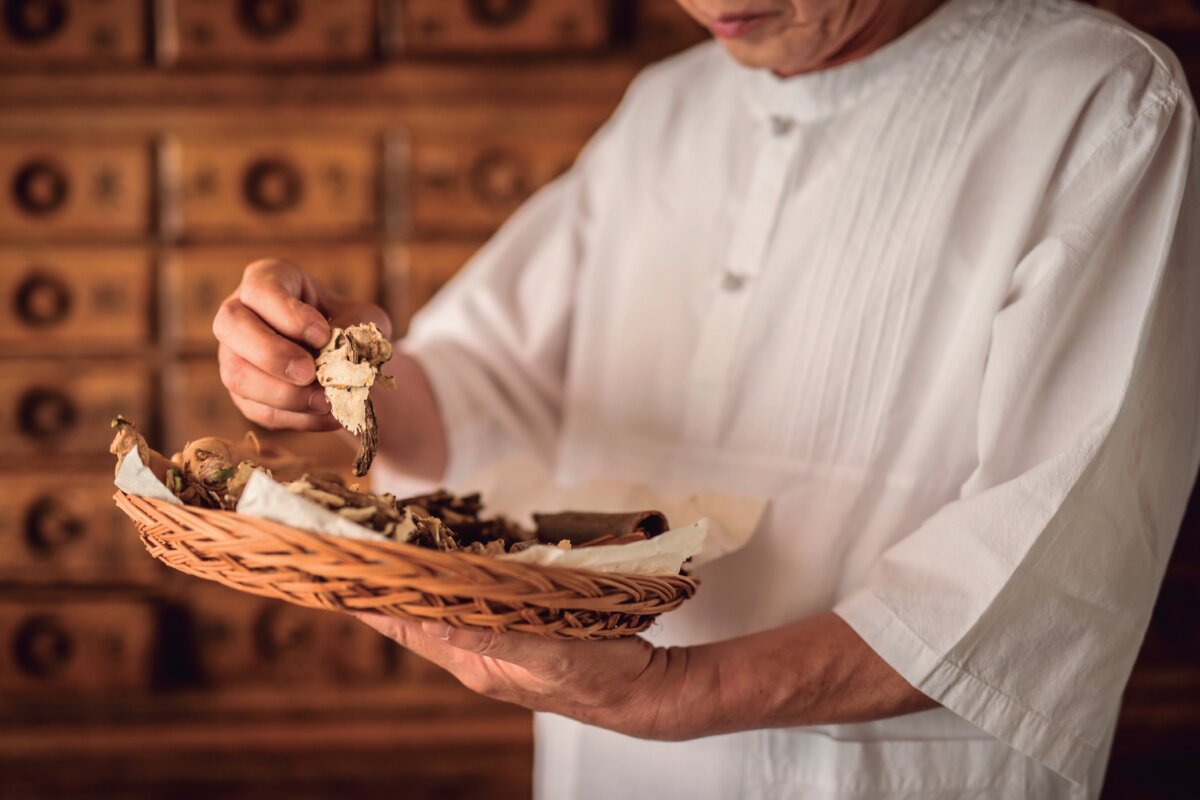
The world first glimpsed the beauty of Korean traditional healing through Jewel in the Palace, a drama that unveiled the timeless wisdom of Korean medicine to global audiences.
Today, travelers continue to journey to Korea not just for K-dramas or K-pop, but also for K-wellness—a deeply restorative and healing experience rooted in nature, balance, and harmony.
Jecheon: A Herbal Haven in Forests
Nested in the cool mountains of Chungbuk, Jecheon has been a hub of medicinal herbs since the Joseon Dynasty. Once one of the nation’s three largest herbal markets, the city remains home to more than 60 varieties of healing plants—from astragalus and ginseng to angelica root and safflower.
Blessed with high elevation, abundant sunshine, and limestone-rich soil, Jecheon offers the perfect natural environment for herbs to flourish. No wonder 80 percent of Korea’s astragalus supply comes from here.
Jecheon is more than a destination—it is a sanctuary where ancient wisdom continues to thrive. If life in the concrete jungle has left you weary, here you could slow down, breathe deeply, and let nature’s healing energies restore you.
Traditional Korean Medical Healing at National Center for Forest Therapy Jecheon
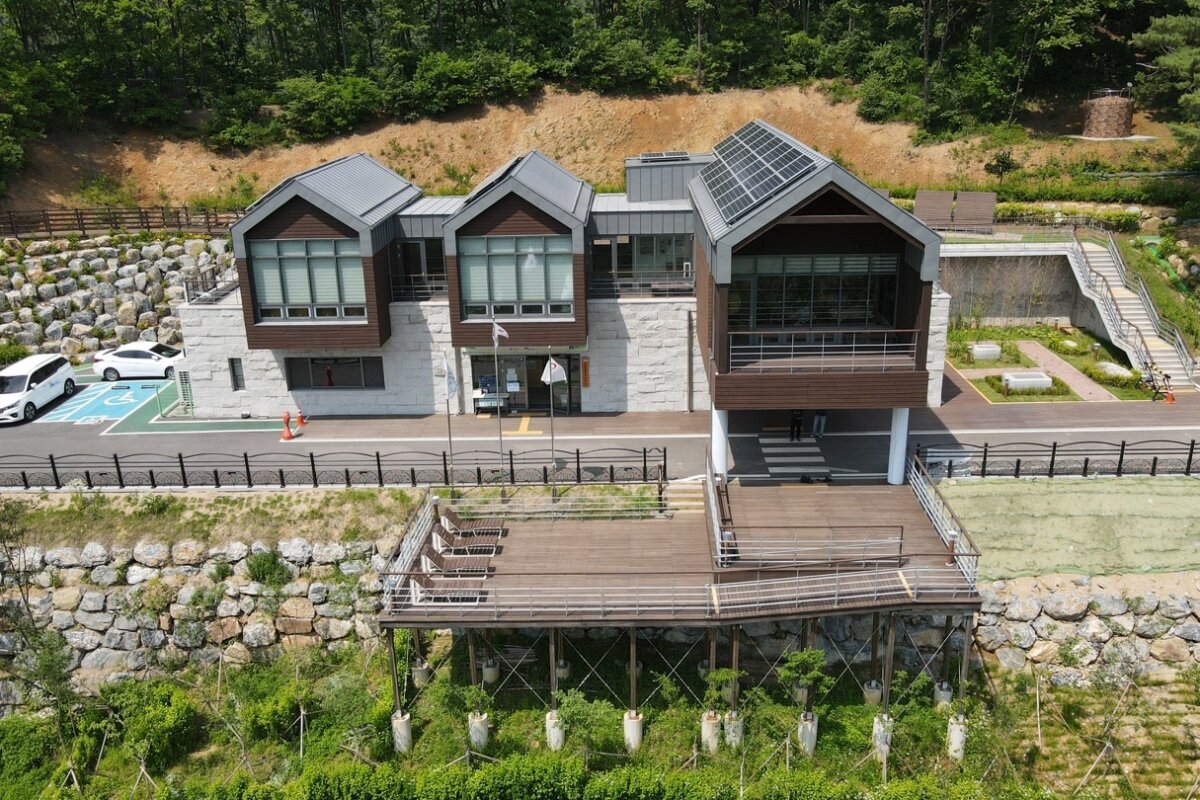
National Center for Forest Therapy Jecheon offers signature programs that blend lush forests with the wisdom of Korean medicine.
The representative outdoor therapy is Hwalinsimbang Forest Therapy. Step into a 2 km healing trail where fresh mountain air and the wisdom of scholar Yi Hwang await you. Dressed in colorful modern hanbok vests, participants begin with gentle stretching before practicing abdominal breathing and chanting Yi Hwang’s six-character mantra, believed to strengthen the body’s vital organs. From a 540-meter-high deck overlooking endless mountains, guests finish their journey refreshed in both body and mind.
The representative indoor therapy is Korean Herbal Tea Therapy. Discover Lee Jema’s Sasang constitutional medicine by identifying your body type and creating your own personalized herbal tea bag. The experience begins with Jecheon’s famous astragalus tea and ends with a unique blend tailored to you.
Other programs include Yin-Yang Walking Therapy, Diffuser-Making Aroma Therapy, Wood Burning Art, and more.
All programs are eco-friendly, locally sourced, and infused with the theme of healing through nature forest.
Hop Healing at Jecheon Brewery
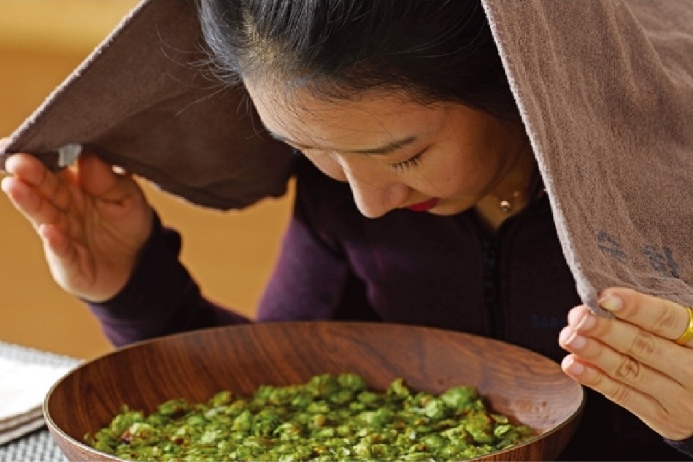
Unique in Korea, Jecheon brewery cultivates its own hops, transforms them into wellness programs that calm the mind and nourish the body.
Hop Aroma Therapy and Hop Tea Therapy are popular among guests. Both are particularly effective for sleep disorders, stress relief, and women’s wellness thanks to hops’ natural antioxidants and phytoestrogens.
Fun extras include craft beer brewing and beer shampoo making, offering a refreshing twist on traditional healing.
It provides brochures in three languages: English, Chinese, and Japanese for international guests.
Herbal Foot Baths at Boncho Dadam
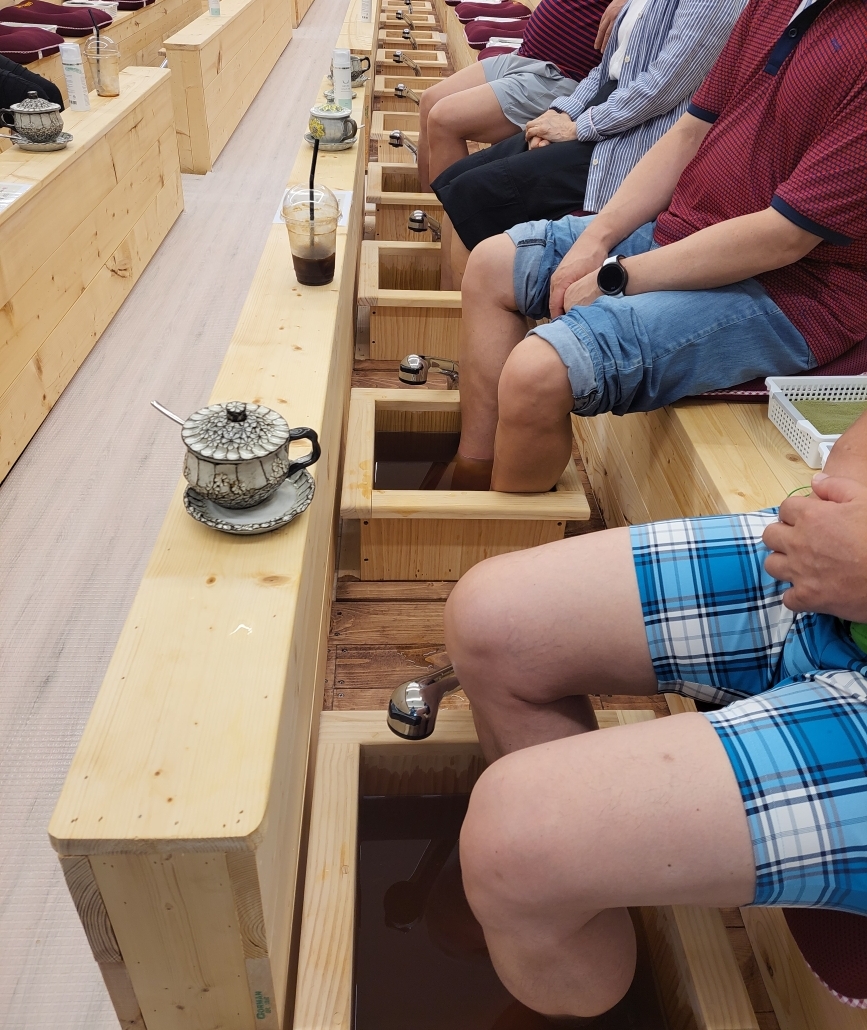
At Boncho Dadam, visitors indulge in soothing foot baths infused with up to 15 Korean medicinal herbs, paired with herbal teas like Ssanghwa, jujube, and ginger—all freshly prepared on site.
Highlights include Jecheon’s renowned astragalus tea and unique blends that promote relaxation, whitening, and moisturizing effects. Guests often leave amazed at how soft and revitalized their hands and feet feel.
Perfume-making workshops and tea tastings round out this authentic wellness journey.
Founder Park Hyeon Soo explains, “Jecheon’s high altitude, limestone-rich soil, and cool climate create the perfect conditions for growing the world’s best medicinal herbs. Everything we prepare is natural, visible, and trustworthy.”
From forest therapies to herbal foot baths to hop wellness and traditional remedies, Jecheon offers an immersive 360-degree experience of Korean medicine and K-wellness. It is where ancient traditions meet modern healing, and where every visitor can rediscover balance, vitality, and peace.
Come to Jecheon.
Breathe deeper, live lighter, and heal naturally.
Sponsored by Chungbuk Innovation Institute of Science & Technology
 Friends Read Free
Copy
Facebook
Tweet
Friends Read Free
Copy
Facebook
Tweet