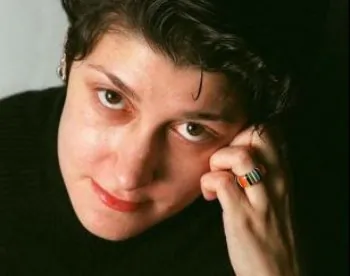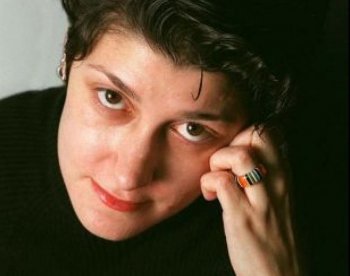
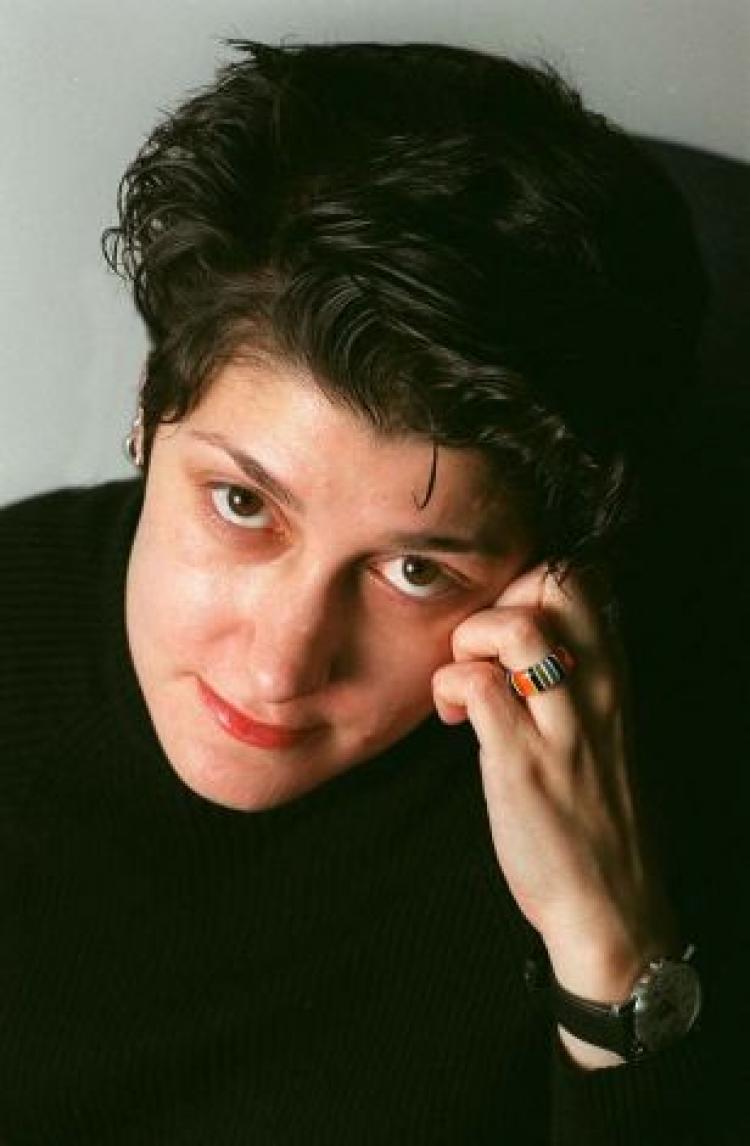
Journalist Dorothy Parvaz, who disappeared after arriving at the airport in Damascus, Syria, on April 29, is being detained by government authorities, it has been confirmed.
An Al Jazeera journalist who holds Canadian, American, and Iranian citizenship, Parvaz entered the country on her Iranian passport to report on the turmoil there, and has not been heard from since.
Parvaz’s family said the Syrian government has confirmed her detention, according to Al Jazeera’s website.
“We are worried about Dorothy’s welfare, security and safety. Syria should release her immediately,” Al Jazeera said in a statement.
An experienced journalist who had recently reported on the Japanese earthquake and tsunami for the network, Parvaz, 39, spent part of her childhood in Iran before moving to Canada.
She graduated from the University of British Columbia and previously worked for the Seattle Post-Intelligencer in the U.S. Her father, who lives in North Vancouver, is Canadian-Iranian and her mother is American.
Since the anti-government protests began in Syria mid-March, many local journalists and bloggers have been detained, most of whom remain in custody, according to Canadian Journalists for Free Expression (CJFE).
“The government is obviously intent on silencing and stopping the protests and then also keeping as little information from reaching the outside world as possible,” says CJFE manager Julie Payne.
“For foreign journalists, that means that they’ve been expelled in large numbers, and for local journalists it means they’re being arrested and, you know, disappeared to some extent. There’s quite a few journalists in prison in Syria now.”
Restrictions have been placed on media organizations operating in Syria and almost all foreign media have been banned.
Al Jazeera announced on 27 April that it was suspending its activities throughout Syria until further notice because of acts of intimidation against its staff.
According to Reporters Without Borders, the network’s Syrian employees have repeatedly been threatened by the authorities, and stones and eggs were thrown at its offices.
“It’s just too dangerous for the networks to send in journalists, or to continue operating there. Which is, of course, absolutely understandable and necessary, but at the same time it means that we get even less information about what’s going on and what’s happening to the anti-government protesters,” says Payne.
U.S. Ambassador Robert Ford met with a senior Syrian official about Parvaz and has asked for more information and consular access, while the Iranian foreign ministry has asked the Syrian government to look into the case, according to Al Jazeera’s website.
In Canada, CJFE has sent a letter to Ottawa urging the government to add Canada’s voice to demands for Parvaz’s release.
Parvaz’s father, Fred Parvaz, told seattlepi.com that his daughter didn’t tell the family she was going to Syria “because she knew we’d object.”
“She’s a very adventurous journalist,” he said. “She really lives the job.”
Human rights groups say that about 8,000 people have been arrested or have gone missing in a crackdown by Syrian authorities in an effort to quell protests calling for democratic reform.
 Friends Read Free
Copy
Facebook
Tweet
Friends Read Free
Copy
Facebook
Tweet