
The price of gold and silver suffered a sharp selloff at the end of the trading week following Federal Reserve Chairman Kevin Warsh’s speech in Jackson Hole, Wyoming.
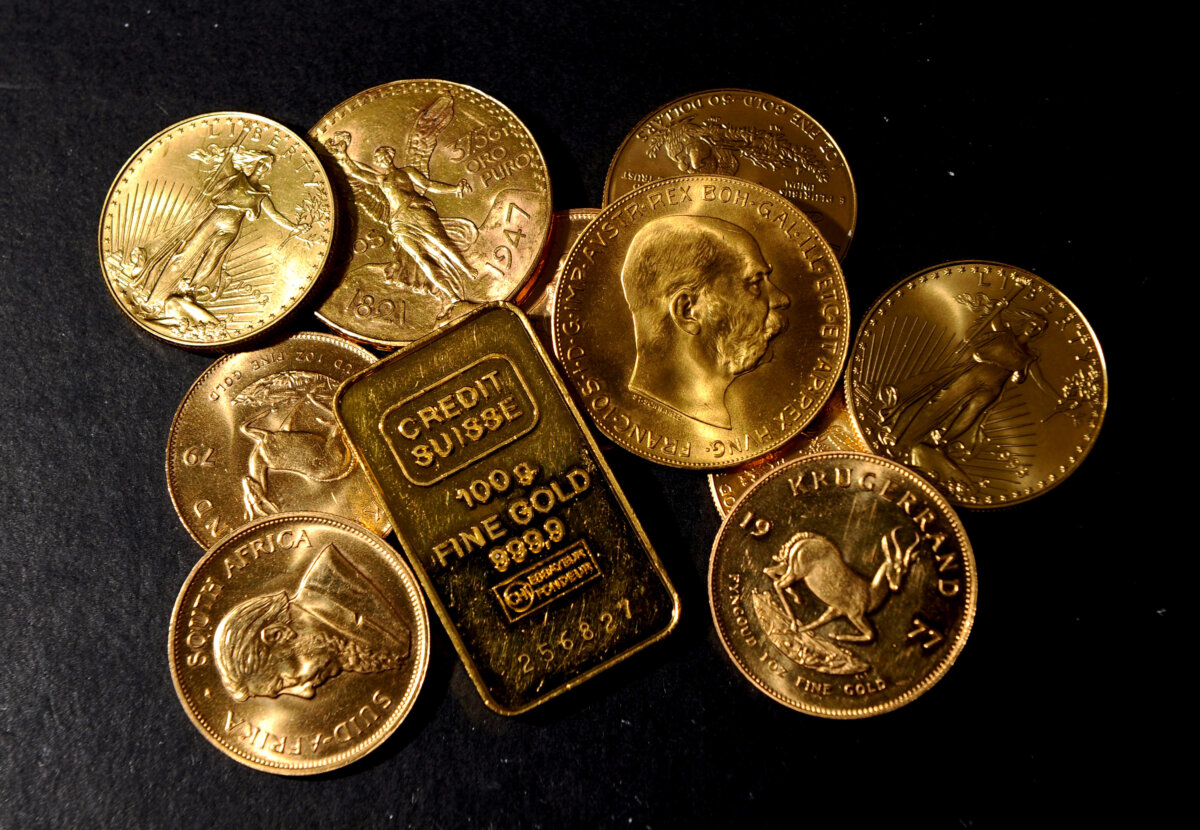
Front-month gold futures declined by $159.90, or by more than 3 percent, to $4,504.10 per ounce on Aug. 28 on the New York Mercantile Exchange. The yellow metal registered a weekly loss of 3.4 percent, paring its year-to-date gain to below 4 percent.
Gold prices have struggled since topping a record $5,600 this past winter. They have regained momentum in recent days, touching a three-month high of $4,696.18 on Aug. 25.
Silver, the sister commodity to gold, also fell by $2.341, or by 3.37 percent, to $67.09 an ounce. The white metal posted a weekly drop of almost 3 percent and is down by nearly 5.5 percent this year.
Likewise, silver prices have been on a slump since reaching nearly $122 earlier this year.
Warsh’s remarks had been the chief catalyst behind the substantial decline as the metals market responded negatively to his first speech at the central bank’s annual retreat. Warsh teased that he and his colleagues “have work to do” to restore inflation to the institution’s 2 percent target.
His comments that underlying inflation has not “meaningfully improved” were enough for futures markets to pare their bets that monetary authorities will keep interest rates unchanged at next month’s highly anticipated meeting.
Persistent inflation and restrictive monetary policy could be key factors for laying a floor of $4,150 per ounce for gold markets, according to Ewa Manthey, commodities strategist at Dutch bank ING.
“Renewed [exchange-traded funds] buying, a weaker dollar and mounting fiscal concerns are creating increasingly clear upside risks to our outlook,” Manthey said in a research note.
“Gold’s correction appears to have found a floor. Renewed ETF buying and its resilience despite elevated yields suggest the recovery is on firmer footing, but further gains will depend on whether investment demand continues to build and how the Fed responds to persistent inflation.”
Sticky Inflation
While traders are split on the September decision, they see an 80 percent chance of a December rate hike, according to fresh CME FedWatch data.
“Whether the Fed hikes or holds in September, the case for rate hikes looks set to become more compelling over the next six months,” Bill Adams, chief U.S. economist at Fifth Third Commercial Bank, said in a note emailed to The Epoch Times.
“Even if the Iran War de-escalates and gas prices come back down, core inflation looks sticky outside of housing costs.”
Excluding food and energy, core inflation, as measured by a gauge preferred by the Federal Reserve, was firmly above 3 percent in July.
The odds of the Fed raising interest rates lifted Treasury yields across the board.
The 2-year yield, which generally tracks monetary policy expectations, surged by almost 13 basis points to 4.36 percent.
Additionally, the greenback strengthened to close out the trading week. The U.S. Dollar Index—a measure of the buck against a weighted basket of currencies such as the British pound and Japanese yen—rose by 0.52 percent to a two-week high of 99.68. The index also posted a weekly boost of 0.9 percent and is up by 1.4 percent year-to-date.
A stronger greenback is bearish for dollar-denominated commodities because it makes it more expensive for foreign investors to purchase.
Rising yields also weigh on gold and silver prices because it raises the opportunity cost of holding non-yielding bullion.
Sentiment among some Fed officials was slightly hawkish.
Cleveland Fed President Beth Hammack, who was one of three dissenting votes last month, told Fox Business Network on Aug. 27 that inflation will end the year at about 3 percent.
“I think we’re not going to make significant progress next year. I think we’ll get to maybe mid-twos at best,” Hammack said.
Bitcoin Also Slumps
Warsh’s prepared remarks also put pressure on cryptocurrency markets.
The price of bitcoin declined by about 3 percent to below $77,700. The top cryptocurrency has enjoyed a sharp turnaround over the past two weeks, rising sharply after hovering at about $60,000 for the past several months.
Ether, the second-largest digital asset today, also slipped by about 2 percent to under $2,500.
Recent industry guidance from the Securities and Exchange Commission and the Commodity Futures Trading Commission, and President Donald Trump hinting at U.S. accumulation of bitcoin, have contributed to the recent bull run, according to Brian Vieten, digital assets and blockchain equity research analyst at Siebert Financial.
“We believe the Bitcoin bottom is in ($58K on June 30) and reiterate our sector bull market view into 2028,” Vieten told The Epoch Times in an emailed note.
 Friends Read Free
Copy
Facebook
Tweet
Friends Read Free
Copy
Facebook
Tweet