
The IRS is offering relief to businesses required to report car loan interest receipts under the One Big Beautiful Bill Act, the agency said in an Oct. 21 statement.
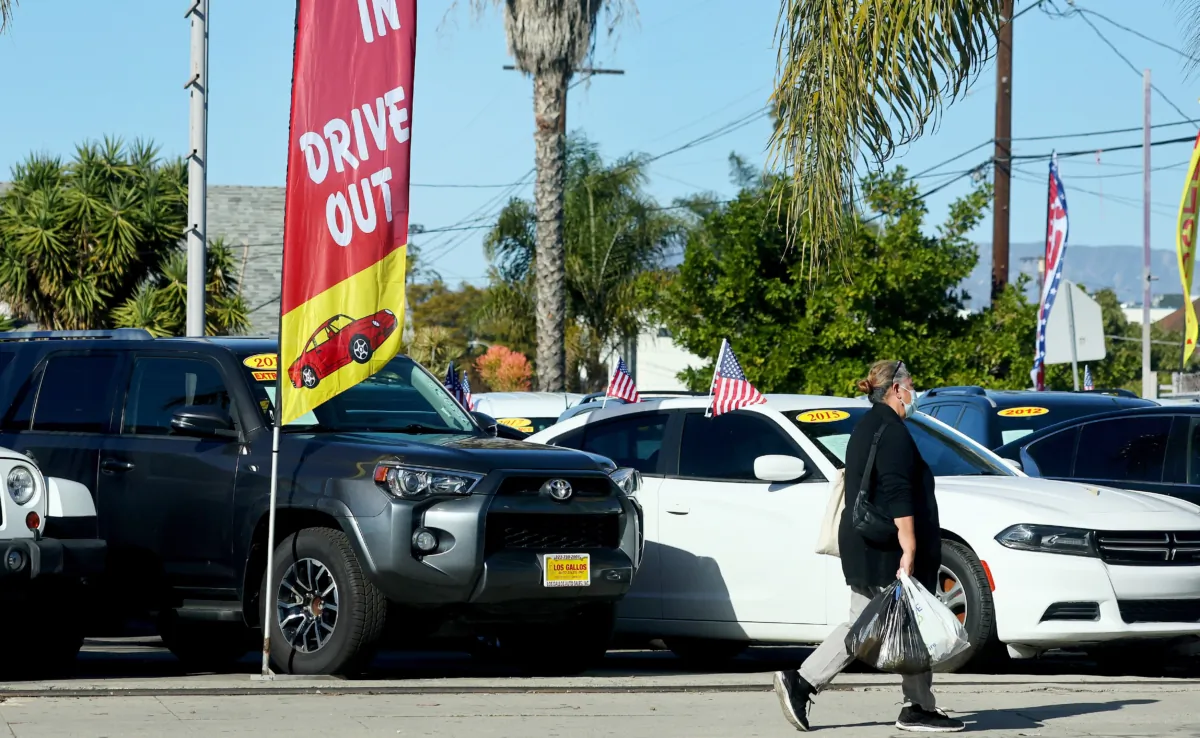
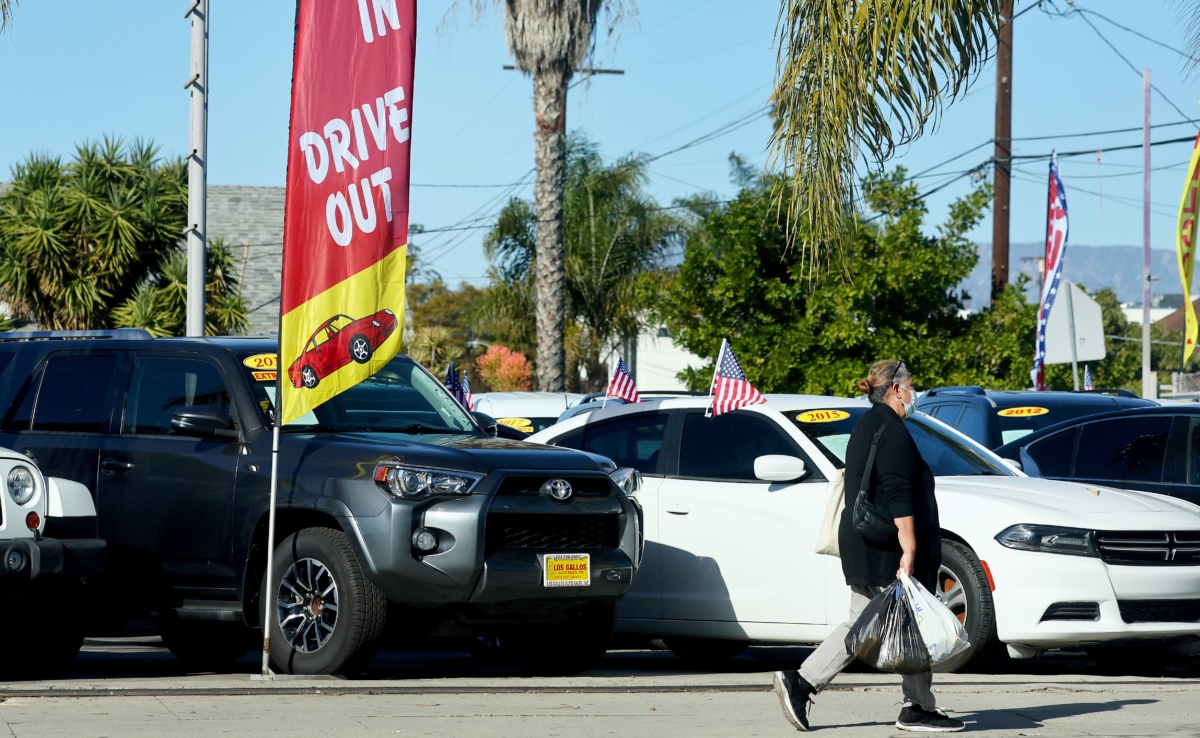
The One Big Beautiful Bill Act, signed into law by President Donald Trump on July 4, includes a provision on auto loan interest paid by customers, allowing people who bought vehicles with final assembly in the United States to deduct up to $10,000 in car loan interest from their taxable income.
According to the IRS website, the rule is effective for 2025 through 2028. To qualify, the interest must be paid on a loan that originates after Dec. 31, 2024. The vehicle must be a car, van, minivan, pick-up truck, motorcycle, or SUV with a gross vehicle weight rating below 14,000 pounds. It must have undergone final assembly in the United States and should be used for personal purposes.
Lenders and other recipients who receive interest from customers on such auto loans are required to file information returns with the IRS. They are also obligated to provide taxpayers with statements showing the total amount of interest received for a taxable year.
On Oct. 21, the IRS published a notice providing transitional guidance to businesses mandated to report car loan interest under the One Big Beautiful Bill Act.
“Under today’s guidance, the IRS will consider that lenders have met their reporting obligations for interest received on a qualified passenger car loan in 2025 if they make a statement available to the buyer indicating the total amount of interest received,” the agency said in its statement.
Lenders can make this information available through an online portal that buyers can access easily, via regular monthly statements, on an annual statement provided to buyers, or by other similar means aimed at providing such information.
“In addition, the IRS will not impose penalties on lenders for a failure to file information returns and provide payee statements if they satisfy their reporting obligations as described in the Notice,” the agency stated.
All businesses that receive at least $600 in interest from a customer in a calendar year on a qualified vehicle loan are required to comply with the reporting requirements, according to the IRS.

According to the agency, out of the roughly 2.4 million new passenger cars sold in the United States last year, more than 80 percent were financed, often via dealerships.
In the notice, the IRS stated that the agency and Treasury “understand that recipients may need additional time to make the necessary changes to their systems to comply with their new information reporting responsibilities.”
“In addition, the IRS needs additional time to make necessary programming and form updates [to implement the changes,]” the notice reads.
In the third quarter of this year, 28.1 percent of cars traded in for new vehicles had negative equity, in which the car value is worth less than its loan amount, industry expert Edmunds said in an Oct.15 statement.
“The sheer amount of debt consumers are carrying in their trade-ins should be a wake-up call,” said Ivan Drury, Edmunds’s director of insights. “Nearly one in three upside-down car owners owe between $5,000 and $10,000—and a growing share owe far more than that.”
In an Oct. 15 statement, auto services company Cox Automotive said the typical payment for a new vehicle rose by 1.9 percent to $766, which is the highest monthly payment in 15 months.
Under such tight affordability conditions, the interest tax relief provided by the One Big Beautiful Bill Act eases some of the financial burdens on new car buyers.
In a Sept. 29 statement, S&P Global said that September marked a “solid end” to third-quarter auto sales in the United States.
A key driver of growth was a surge in electric vehicle sales ahead of the Sept. 30 consumer EV tax credit expiration, it stated.
S&P stated that it was expecting auto demand levels to moderate toward the end of the year, forecasting 2025 fourth-quarter sales to be lower than in the same quarter of 2024.
“Automakers have so far managed the potential impact of US tariffs better than expected, helping to avoid a rise in vehicle prices for consumers,” said Chris Hopson, S&P Global Mobility’s principal analyst.
 Friends Read Free
Copy
Facebook
Tweet
Friends Read Free
Copy
Facebook
Tweet