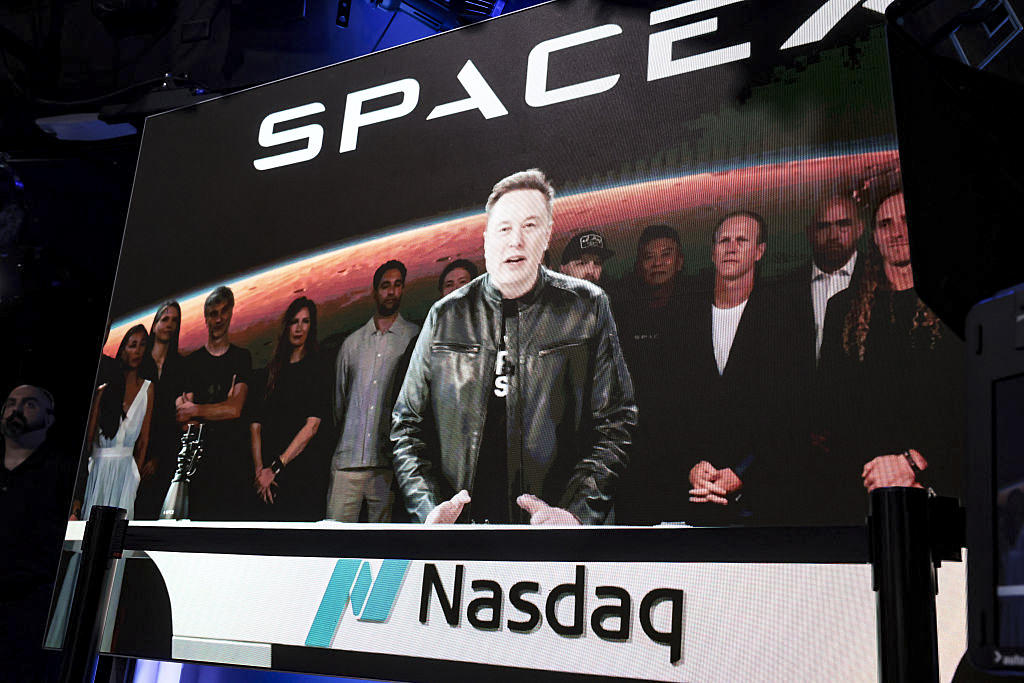

Elon Musk’s SpaceX said in a regulatory filing on June 16 that it will purchase artificial intelligence (AI) startup Cursor for $60 billion.
Days after its historic $2 trillion Nasdaq debut, SpaceX is aiming to bolster its share in the enterprise AI market by acquiring the popular San Francisco-based AI coding agent in an all-stock deal, according to an 8-K filing with the Securities and Exchange Commission.
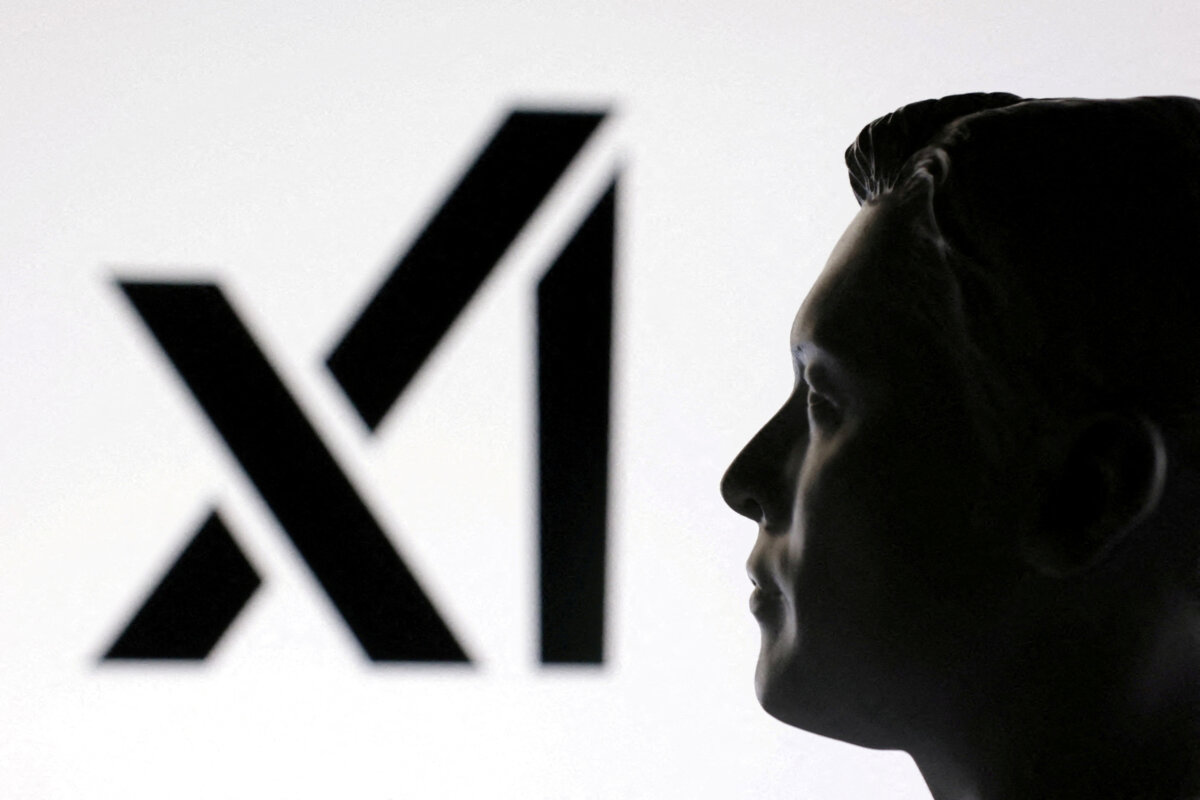
“For the past few months, SpaceXAI has been jointly training a model with Cursor, which will be released in Cursor and Grok Build soon,” SpaceX said on X on June 16. “We look forward to working closely with the Cursor team to advance our frontier AI capabilities.”
SpaceX signaled in April that it would buy Cursor this year for $60 billion or pay $10 billion for a partnership.
The agreement would offer clear advantages to both sides. For xAI—the Grok maker scooped up by SpaceX earlier this year—it would help cement a larger foothold in the AI‑coding market. Cursor would gain access to additional computing power to accelerate its model development.
Cursor stated in April that it had been struggling with computing power.
“We’ve wanted to push our training efforts much further, but we’ve been bottlenecked by compute,” the company said in an April 21 blog post. “With this partnership, our team will leverage xAI’s Colossus infrastructure to dramatically scale up the intelligence of our models.”
Like Anthropic’s Claude and OpenAI’s Codex, Cursor has been one of many startups garnering widespread attention for automating coding by using AI. Since its launch in 2022, Cursor has generated about $2.6 billion in annualized enterprise sales and business-to-business revenues.
It is expected to close during the third quarter of 2026.
SpaceX will pay a $10 billion termination fee if the deal is terminated, the filing stated. Additionally, the company will pay a regulatory termination fee of $4 billion if the purchase fails because of antitrust concerns.
Despite the timing of the acquisition, SpaceX confirmed that the deal is not being funded by last week’s initial public offering (IPO).
Post-IPO Performance
The rocket, satellite, and AI company raised almost $86 billion after going public. Shares of SpaceX have already surged by almost 40 percent from its fixed IPO price of $135.
The stock rose by about 8 percent to the opening bell on June 16 to above $200.
SpaceX is currently on track to surpass Amazon in market cap, despite generating a fraction of Amazon’s revenue. If the stock maintains its gains, it could become the fifth-largest company.
Wall Street analysts are generally bullish on the stock, with a consensus “Buy” rating, according to MarketBeat.
But CFRA initiated its coverage with a “Sell” rating and a price target of $115, representing a 15 percent downside from SpaceX’s IPO price.
“We have a negative outlook given dependence on unproven outcomes including Starship commercialization, orbital AI compute, and xAI monetization,” Keith Snyder, senior equity analyst at the Center for Financial Research and Analysis, wrote in a note to clients on June 12.
“While Starlink remains the strongest business, it faces risks from capacity expansion needs, regulatory approvals, and competition from terrestrial broadband and other LEO systems.”
The AI Lens
But although investors view SpaceX as a space company, market watchers say it is primarily an AI firm that will serve as the main revenue generator, according to Nicholas Anderson, portfolio manager at Thornburg Investment Management.
“Everyone thinks of SpaceX as a rocket company. Increasingly, that’s the wrong lens,” Anderson told The Epoch Times in an emailed note.
“In a matter of months, SpaceX has become the world’s largest and most profitable AI neocloud, and over the next year, that business will contribute more profits than launches or satellite internet.”
SpaceX also leases out its underused data‑center capacity, and it has existing agreements to provide cloud computing to Anthropic and Google worth roughly $26 billion per year.
Both deals include 90‑day termination clauses, giving SpaceX the ability to reclaim the computing resources if necessary.
Before the two blockbuster deals, SpaceX’s Tennessee-based Colossus 1 had been running at low utilization amid lackluster internal demand and xAI’s massive buildout.
The Anthropic and Google contracts are higher than Starlink’s entire revenue last year.
“If margins resemble those of publicly traded AI infrastructure providers, GPU leasing is already SpaceX’s highest-margin business,” Anderson said. “In today’s tight AI‑compute market, that unused capacity represents a highly valuable real option.”
 Friends Read Free
Copy
Facebook
Tweet
Friends Read Free
Copy
Facebook
Tweet