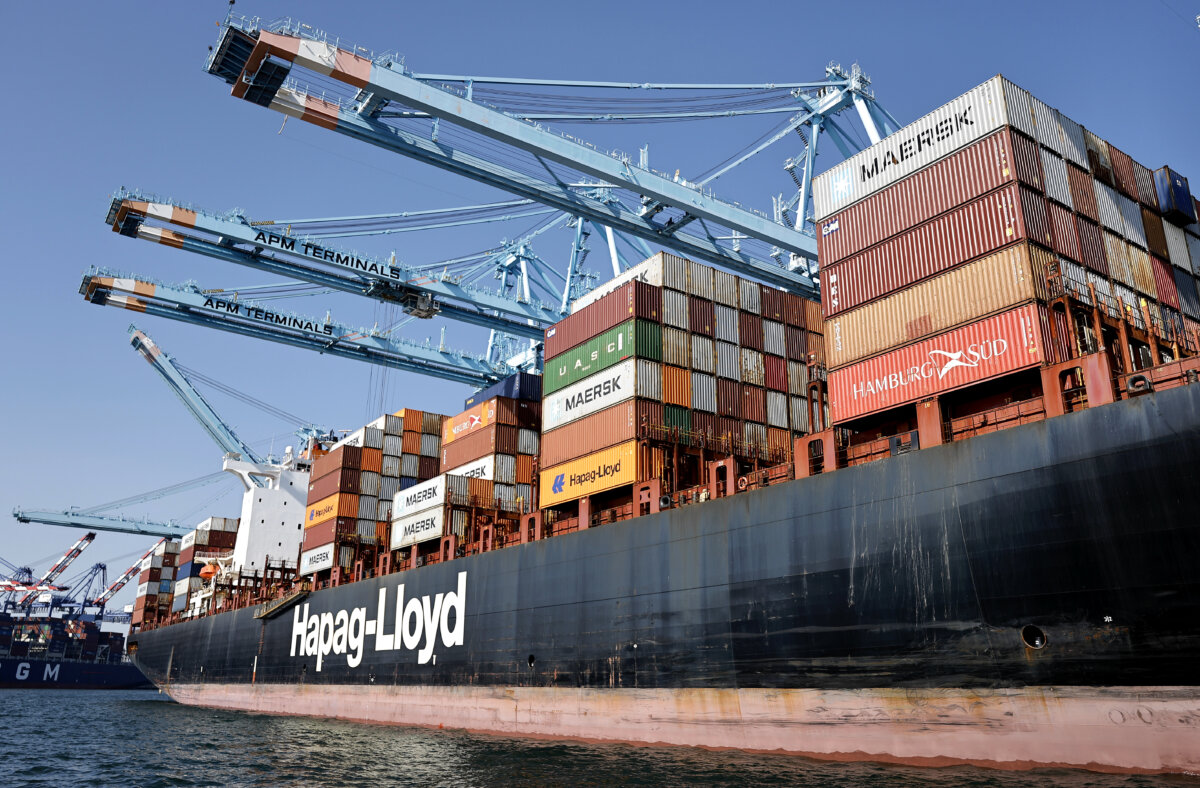

President Donald Trump’s trade agenda kicked into high gear this week ahead of the widely anticipated Aug. 1 deadline for imposing reciprocal tariffs.
Speaking to reporters at the White House on July 11, the president said that the United States’ “friends have been worse than the foes” on trade.
“We’ve been taken advantage of for many, many years by countries, both friend and foe,” he said.
The president followed through on his plans to send letters to world leaders, informing them on July 7 of new levy rates that will take effect in August.
Posting the letters to social media platform Truth Social, Trump began assigning reciprocal tariffs to advanced and developing economies nearly identical to those on the list revealed on April 2.
Countries such as Burma (also known as Myanmar) and Cambodia were given tariffs of 40 percent and 36 percent, respectively, slightly lower than the April rates. But major economies were also slapped with sizable tariffs, mainly Brazil (50 percent), Canada (35 percent), Japan (25 percent), and South Korea (25 percent).
Brazilian President Luiz Inácio Lula da Silva pledged to respond soon.
“Brazil is a sovereign country with independent institutions that will not accept being lectured by anyone,” he said on social media platform X.
The U.S. goods trade surplus with Brazil was $7.4 billion in 2024, up by 32 percent from 2023, according to the U.S. Trade Representative’s Office.
This has triggered concerns that prices for agricultural commodities, particularly coffee and orange juice, would spike. Brazil is the top source of arabica and robusta beans in the United States, while half of the orange juice sold domestically originates from the South American country.
Orange juice futures surged by 30 percent this week on the U.S. ICE Futures exchange, settling at $2.89 per pound. Coffee futures were little changed at $2.88 per pound.
Shortly after tariffs were imposed on Canada, Canadian Prime Minister Mark Carney promised to defend workers and businesses.
“We will continue to do so as we work towards the revised deadline of August 1,” Carney said on X.
Doug Ford, premier of Ontario, Canada, urged Ottawa to respond swiftly by striking a trade agreement to avoid large levies.
“Now more than ever, we need the federal government to work around the clock to secure a deal that is right for Canada and eliminates all American tariffs,” the premier’s office said in a statement.
According to Trump, escalation or de-escalation remains possible.
In the letters, Trump told presidents and prime ministers that their countries would be subject to higher or lower import duties, depending on negotiations or retaliations.
“If you wish to open your heretofore closed trading markets to the United States, and eliminate your tariff and nontariff policies and trade barriers, we will perhaps consider an adjustment to this letter,” Trump said.
“These tariffs may be modified, upward or downward, depending on our relationship with your country. You will never be disappointed with the United States of America.”
But the president did not stop at implementing reciprocal tariffs.
Copper and Pharmaceuticals
At a July 8 Cabinet meeting in front of reporters, Trump announced that he would be imposing a 50 percent tariff on copper.
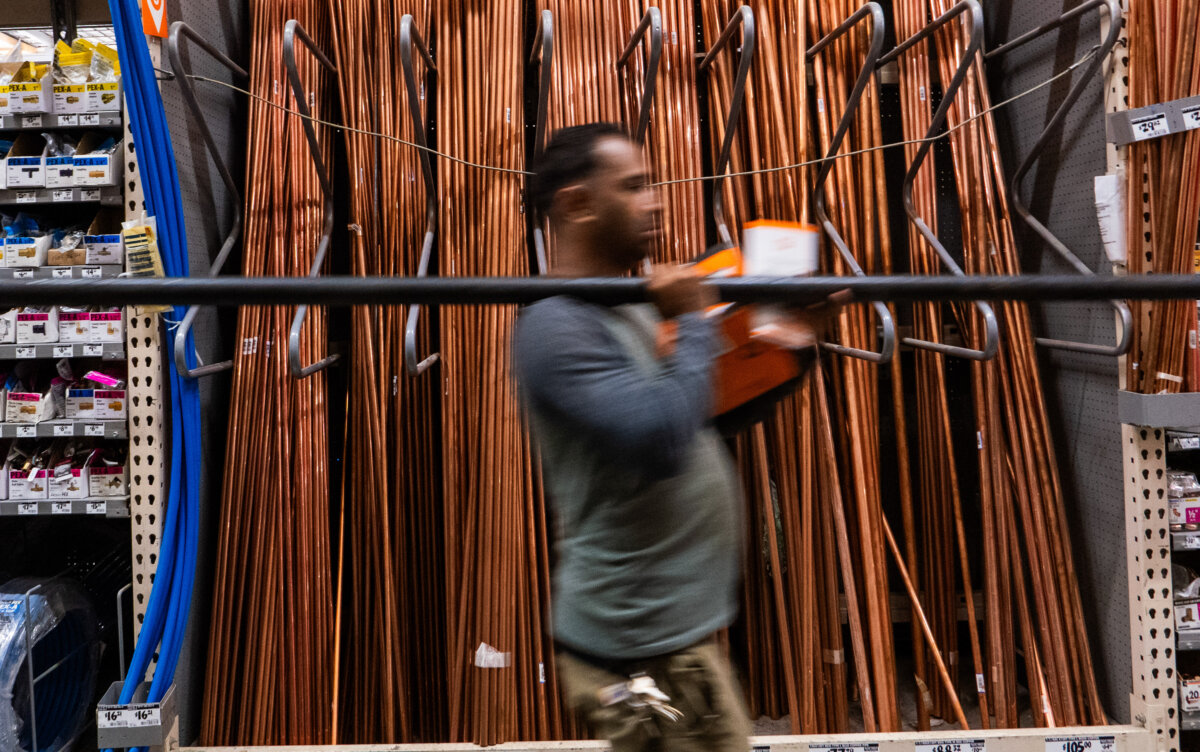
Prices for the industrial metal surged by almost 11 percent after his comments made their way to Wall Street, reaching an all-time high of $5.52 per pound. At the end of the trading week, copper added to its gains, topping $5.61 and registering a weekly jump of nearly 11 percent.
In a July 9 post on social media platform Truth Social, Trump confirmed that the tariff would take effect on Aug. 1 “after receiving a robust national security assessment.”
“Copper is necessary for Semiconductors, Aircraft, Ships, Ammunition, Data Centers, Lithium-ion Batteries, Radar Systems, Missile Defense Systems, and even, Hypersonic Weapons, of which we are building many,” the president wrote.
“Copper is the second most used material by the Department of Defense.”
Commerce Secretary Howard Lutnick also told CNBC’s “Power Lunch” that the purpose is to bring “copper production home.”
The United States consumes twice as much as it produces, relying on imports from the world’s largest copper producers, primarily Chile. U.S. miners produce approximately 1.1 million tons per year, compared with Chile’s 5.3 million tons.
Market watchers say the tariffs could add to growing price pressures in the copper market, particularly as global reserves diminish.
“[London Metal Exchange] copper inventories have been significantly depleted, raising concerns about a global supply shortage outside the U.S.,” Adam Turnquist, chief technical strategist for LPL Financial, said in a note emailed to The Epoch Times.
Rising copper prices could adversely affect copper-intensive industries, including electric vehicles, building construction, manufacturing, and electronics, he noted.
“The widespread use of copper might also fuel inflation concerns,” Turnquist said.
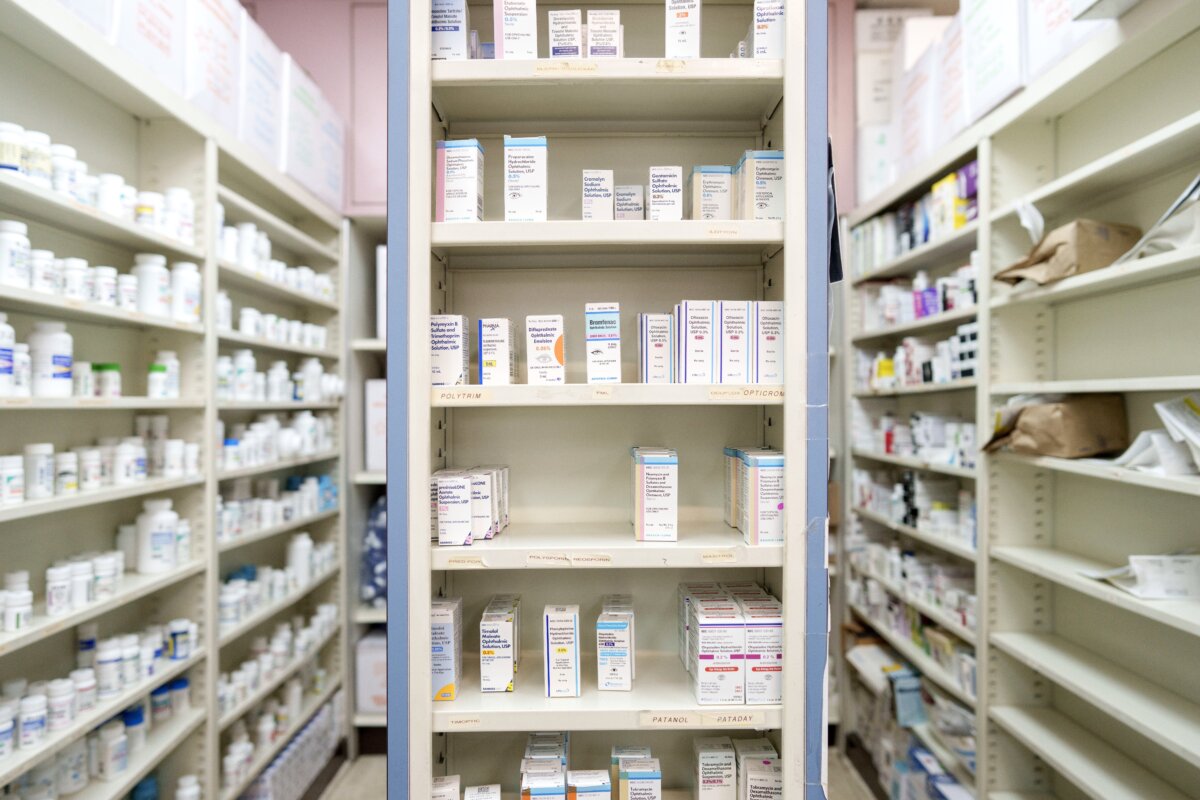
In addition to higher import duties on copper, Trump threatened a 200 percent tariff on pharmaceutical products entering the United States. The president and the administration have discussed pharmaceutical tariffs for months.
While he said they will be announced “very soon,” the president clarified that they would not go into effect immediately. Instead, according to Trump, pharmaceutical tariffs would take “about a year, year and a half to come in.”
“We’ll give them a certain period of time to get their act together,” he said.
Industry trade group Pharmaceutical Research and Manufacturers of America estimates that a 25 percent tariff on foreign pharmaceutical products would raise drug costs by approximately $51 billion and bolster U.S. prices by close to 13 percent.
“When innovative medicines or their inputs are sourced from other countries, these products overwhelmingly come from reliable U.S. allies and do not threaten national security,” the group said in a May report.
“Implementing tariffs on medicines and inputs from allies could thwart industry investment, limit American patients’ access to innovative medicines and hurt U.S. competitiveness.”
This comes two months after the president signed an executive order attempting to make prescription drugs more affordable for consumers. Administration officials say pharmaceutical manufacturers have discounted their products in foreign markets and subsidized their profits with higher domestic prices.
Highest Tariff Rates Since 1933
According to the Yale Budget Lab, consumers face an overall average effective tariff rate of 18.7 percent, the highest since 1933.
Despite tariff-driven cost pressures, the data do not show rising inflation.
A new report by the Council of Economic Advisers concluded that tariffs are not causing inflation, pointing to the consumer price index and the Federal Reserve’s preferred Personal Consumption Expenditures (PCE) price index from December 2024 to May 2025.
Top White House economic advisers noted that the PCE price index rose by 0.4 percent during the six months, corresponding to a 1 percent annualized rate. Imported consumer price index and PCE goods prices dipped by 0.8 percent and 0.1 percent, respectively.
“Importantly, there is no clear trend break so far this year,” the report reads. “This analysis suggests that tariffs have not reduced the disinflationary impulse from imported goods as of May.”
Consumers’ inflation outlook has also stabilized at pretariff levels.
The New York Fed’s June Survey of Consumer Expectations shows respondents’ one-year inflation projection is 3 percent, the lowest since January.
Next week, a medley of inflation reports will be released.
The Cleveland Fed’s Inflation Nowcasting model suggests that the headline annual inflation rate will rise to 2.6 percent and jump by 0.3 percent monthly.
The June producer price index—a measure of prices paid by businesses for goods and services, which can indicate pipeline inflation—is expected to rise by 0.2 percent monthly.
Reuters contributed to this story.
 Friends Read Free
Copy
Facebook
Tweet
Friends Read Free
Copy
Facebook
Tweet