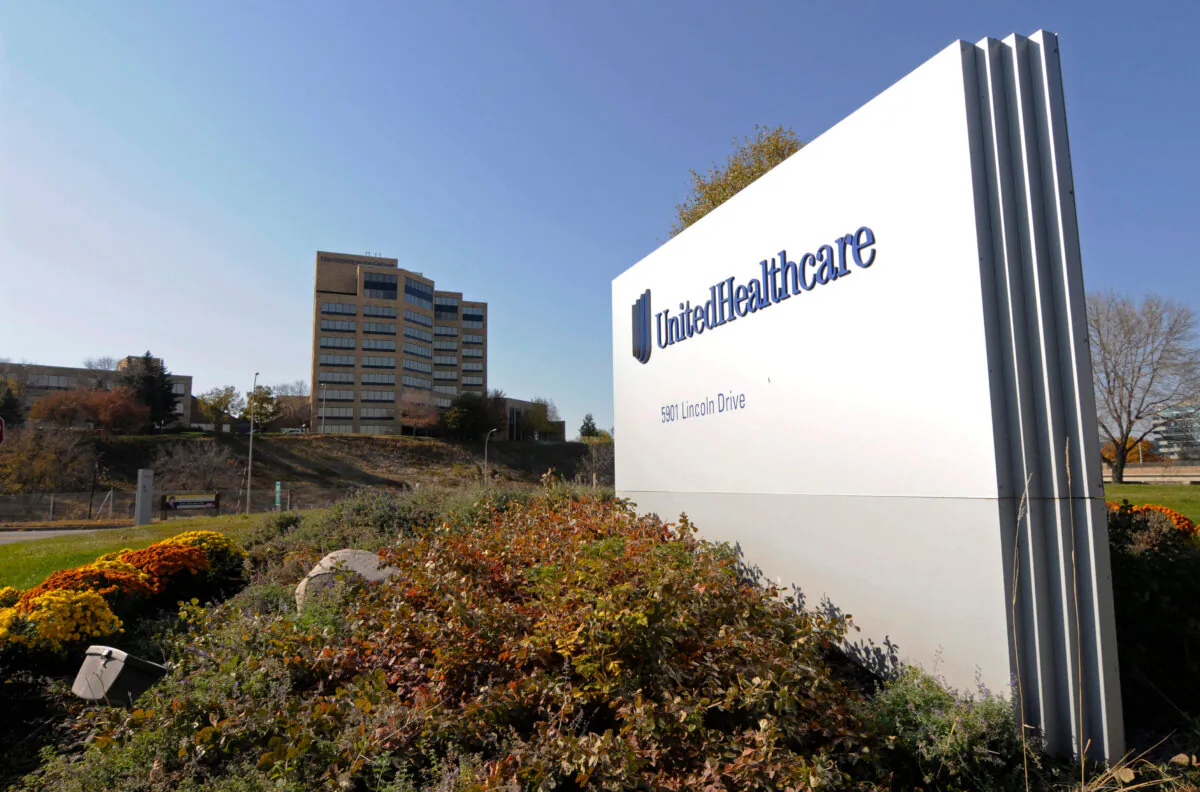

Health insurance provider UnitedHealthcare on May 5 announced it was slashing prior authorization requirements by 30 percent for a wide range of health care services in an effort to simplify patient care and reduce bottlenecks.
The announcement by UnitedHealthcare comes on the heels of a recent series of companywide initiatives implemented by the Eden Prairie, Minnesota-based insurer, aiming to make access to care easier for patients and doctors.
Prior authorization is currently required on 2 percent of medical services, UnitedHealthcare said in a statement, with the time for approval for 92 percent of submitted requests averaging less than 24 hours.
“Prior authorization is an essential safeguard but should only be used when it truly protects patients and improves care,” UnitedHealthcare CEO Tim Noel said.
“Eliminating these requirements is one more way we are working to make it easier for patients to get the care they need when they need it and ensure doctors can spend more time with their patients. We are committed to further improving and refining our processes to make reviews quicker, simpler and more efficient.”
UnitedHealthcare also stated that it plans to implement, by the end of this year, an additional 30 percent reduction in remaining prior authorization requests for a range of services, including certain outpatient surgeries, common diagnostic procedures such as echocardiograms, outpatient therapies, and chiropractic care.
The reductions come as UnitedHealthcare takes a deep dive into the efficiency of its core business operations following the rehiring of UnitedHealth Group CEO Stephen J. Hemsley in May 2025. Hemsley led UnitedHealth Group from 2006–2017 and returned to lead the insurer back to growth after a tumultuous year.
UnitedHealth Group on January 27 reported full-year 2025 earnings of $19 billion on revenues of $447.6 billion and provided guidance for 2026 of $439 billion in revenues with earnings expected to top $24 billion.
Last July, UnitedHealth Group engaged third-party consulting agencies Analysis Group and FTI Consulting to review risk assessment operations and care management policies. Based on those findings, UnitedHealthcare implemented multiple operational changes in March and April.
On March 16, UnitedHealthcare expanded coverage for doula care, with approximately 7.2 million members gaining access to this childbirth-related care by the start of 2027. Two weeks later, UnitedHealthcare made its prior authorization metrics public to increase transparency.
On April 20, the insurer said it would expedite payments to rural health care providers and exempt many from preauthorization requirements. UnitedHealthcare expects the initiative to include about 1,500 rural hospitals nationwide by the fall. On April 24, the company announced that more than half of its prior authorization requests will fall under an industrywide initiative to standardize patient submission requirements, and that number should grow to more than 70 percent by the end of the year.
“These efforts reflect UnitedHealthcare’s continued focus on reducing administrative complexity, improving the care experience and helping people access care more easily and efficiently,” the company stated.
UnitedHealthcare parent UnitedHealth Group’s shares were down by more than 2.0 percent in intraday trading following the announcement, though its share price is up by nearly 10 percent year to date.
 Friends Read Free
Copy
Facebook
Tweet
Friends Read Free
Copy
Facebook
Tweet