

The U.S. Department of Energy said on May 26 that it has chosen five companies to begin advanced talks on using surplus plutonium from dismantled nuclear warheads as fuel for next-generation reactors.
In May 2025, President Donald Trump ordered a halt to much of a program diluting and disposing of surplus plutonium, requiring instead that it be provided as a fuel for advanced nuclear technologies.
Oklo, a nuclear startup, said it will partner with European firm Newcleo to develop the fuel. The other selected companies are Exodys Energy, SHINE Technologies, Standard Nuclear, and Flibe Energy.
“This program creates a pathway to use existing surplus material as bridge fuel for advanced reactors to bring more reactors online sooner,” Oklo co-founder and CEO Jacob DeWitte said in a statement. “Material that has been set aside for disposal can instead be converted into fuel to produce electricity through fission.”
Oklo’s shares rose more than 5.5 percent to $69.51 on the news. The department said the Surplus Plutonium Utilization Program should help the companies attract private funding, subject to agreements, approvals, and strict U.S. security requirements.
The Energy Department holds the plutonium—which has a half-life of 24,000 years and requires protective gear for handling—at heavily guarded weapons facilities in South Carolina, Texas, and New Mexico. Officials say the program could speed deployment of advanced reactors by providing an existing fuel supply. The plutonium dates to the Cold War, when the United States produced it for nuclear weapons. Much of the stockpile now sits as surplus after warhead dismantlement.
Oklo said Newcleo would contribute fuel experience and potential project capital.
Newcleo CEO Stefano Buono said that using the plutonium as fuel would reduce U.S. nuclear liabilities.
“The U.S. is taking a visionary approach to the fuel cycle, and we look forward to contributing to it,” he added.
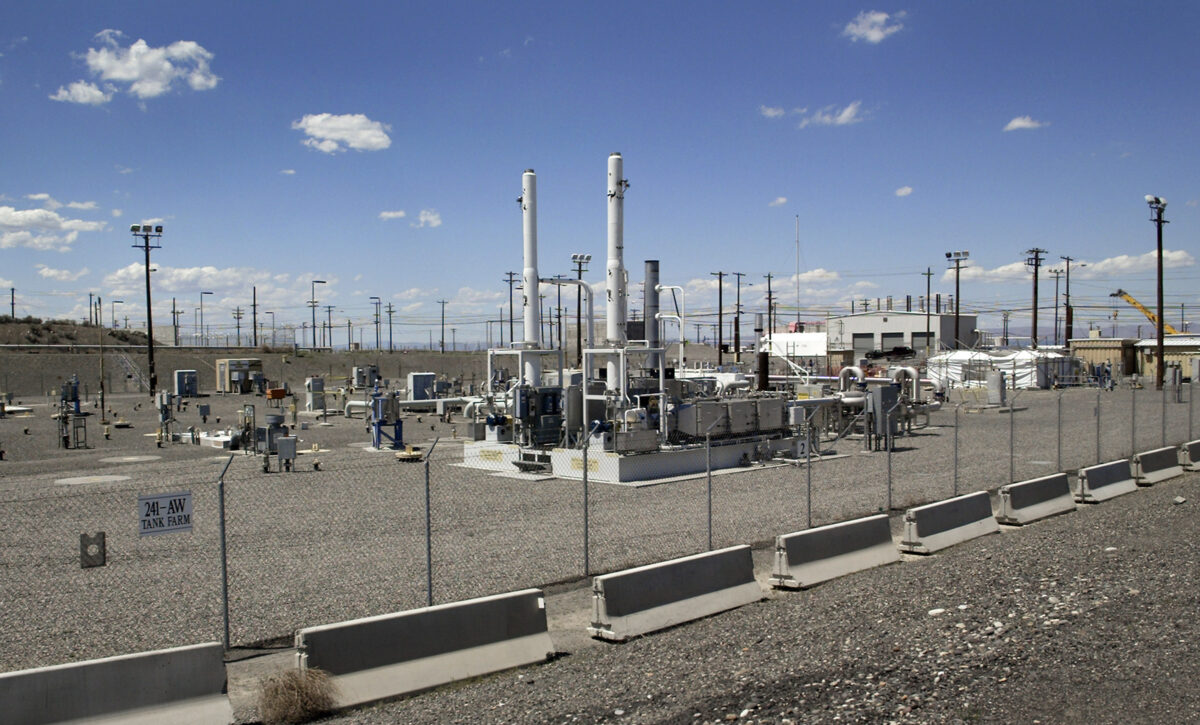
The program reflects a broader push to revive nuclear power for electricity generation, including powering data centers and remote sites. No timeline has been set for final agreements or fuel conversion.
In February, experts warned during the U.S. Nuclear Industry Council’s 13th annual Advanced Reactors Summit in Seattle that a nuclear fuel crunch may loom as soon as 2028.
“If America wants to lead in advanced reactors, we have to do the nuclear fuel here,“ Centrus Energy Senior Vice President Patrick Brown told more than 400 nuclear industry professionals on Feb. 12.
John Haughey and Reuters contributed to this report
 Friends Read Free
Copy
Facebook
Tweet
Friends Read Free
Copy
Facebook
Tweet