
Stocks finished the week mixed as oil prices climbed and hiring data came in stronger than forecast, leaving investors with no clear read on where markets head next.
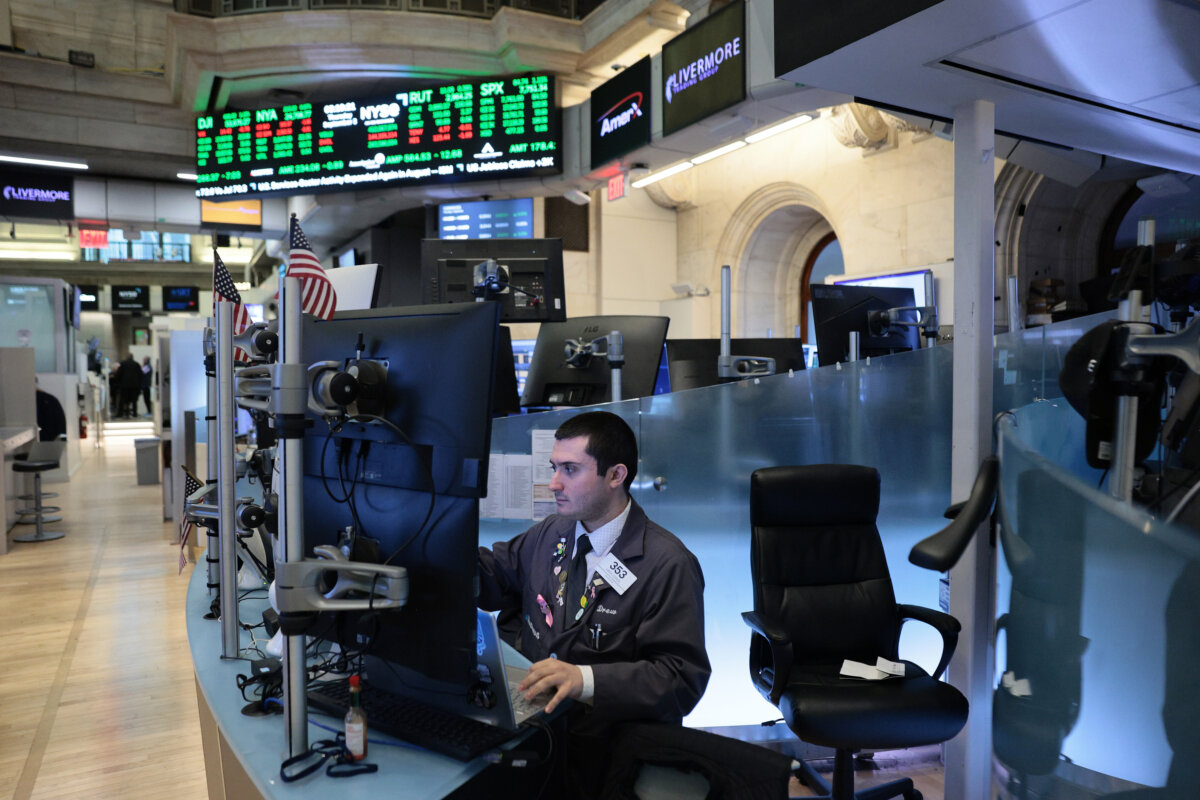
The Dow Jones Industrial Average slipped 0.27 percent for the week to 53,414. The S&P 500 edged up 0.09 percent to 7,718, while the Nasdaq Composite outperformed with a 0.4 percent gain. The Russell 2000 rose 0.11 percent.
Meanwhile, the CBOE Volatility Index climbed 0.69 percent to 14.53, a sign investors are pricing in more risk.
Oil and Bond Yields
Oil led the market’s action early in the week, with Brent crude rising above $92 a barrel on Tuesday in a two-day rally as tensions in the Middle East flared, reviving fears of disruptions to shipping through the Strait of Hormuz.
The move rattled bond markets worldwide. Japan’s 10-year yield touched 3 percent for the first time in three decades. The U.S. 10-year Treasury yield rose for a fifth straight session to 4.79 percent, its highest since January 2025, while the 30-year yield climbed to 5.25 percent.
All four major U.S. stock indexes closed lower on the first two trading days of the week.
“The rise in bond yields is a reminder that stocks and bond prices can go down together during environments where rates are rising at a fast pace,” Michael Landsberg, chief investment officer of Punta Gorda, Florida-based Landsberg Bennett Private Wealth Management, told The Epoch Times.
Bond prices and stocks normally move in opposite directions—when stocks become riskier and fall, investors often buy bonds, which can rise in value. This makes bonds “a diversifier for stock volatility,” as Landsberg said. “But it doesn’t always work,” he said.
Bond prices and yields move in opposite directions: When bond prices go down, yields go up.
Landsberg thinks portfolio diversification should be extended beyond bonds to other investment classes, such as commodities, in case rising interest rates cause both stocks and bonds to decline at the same time.
Oil and yields steadied by midweek, and buyers stepped back in.
Meanwhile, dovish remarks from Federal Reserve Board member Christopher Waller on Wednesday added fuel to the rally. Pointing to progress on inflation, Waller signaled support for holding interest rates steady, catching markets off guard after Federal Reserve Chair Kevin Warsh’s hawkish-leaning tone at Jackson Hole the previous week. The comments pulled yields lower and lifted stocks.
All four major indexes closed higher on both Wednesday and Thursday, with Dell Technologies and Snowflake surging after strong earnings.
“August was a very strong month for stocks, and after this run, investors are now looking to stress test it and figure out what could derail it,” Landsberg said.
“While the stock market is currently focused on Iran and the oil price spike, we would ignore this geopolitical and manmade noise and continue to focus attention on the corporate earnings growth picture, which is what ultimately drives stocks higher.”
Jobs
The monthly payrolls report was the main event on Friday. The economy added 162,000 jobs in August, far exceeding forecasts of 56,000, while July’s tally was revised up to a gain of 21,000 from a loss of 23,000. Food services, local government education, and manufacturing accounted for most of the increase.
Strong hiring cuts both ways for stocks. It signals healthy consumer spending, which feeds company revenues. But it also ignites inflation fears and raises the odds the Federal Reserve holds rates higher for longer.
The report followed a softer signal on job openings, which rose by 89,000 to 7.27 million in July but missed forecasts of 7.30 million, with June revised down to 7.18 million.
“Job openings in July missed expectations for the second straight month, while June’s figure was revised lower, falling to the lowest level since March. However, layoffs also came in below expectations, reinforcing the low-hire, low-fire dynamic in the labor market as all eyes shift to Friday’s jobs report,” eToro U.S. Investment Analyst Bret Kenwell told The Epoch Times.
ZipRecruiter economist Nicole Bachaud cautioned that the labor market isn’t out of the woods, as recent reports show increased sensitivity to inflation, interest rates, and geopolitical tensions.
“While the August report and prior months’ revisions are encouraging signs, we are not yet seeing stable momentum. Fluctuations in prices and confusion over policy initiatives will continue to impact job growth and turnover. But for now, the summer is ending on a high note as we transition to the fall,” she told The Epoch Times.
Bond traders shrugged off the strong numbers, holding yields steady and giving stocks a cushion into the close. The Dow, S&P 500, and Nasdaq slipped fractionally on Friday, while the Russell 2000 posted a fractional gain.
Company Earnings
Elsewhere, Dell Technologies gained 14.88 percent for the week after reporting record revenue of $47.0 billion, up 58 percent from a year earlier, beating analyst estimates.
Nvidia ended the week 5.89 percent higher, adding to the previous week’s rally that followed the release of strong revenues and earnings for the quarter ending July 26 that beat market expectations.
Lululemon Athletica finished the week 16.72 percent lower, following the release of disappointing second-quarter results, with overall sales declining 4 percent and same-store sales dipping 9 percent.
 Friends Read Free
Copy
Facebook
Tweet
Friends Read Free
Copy
Facebook
Tweet