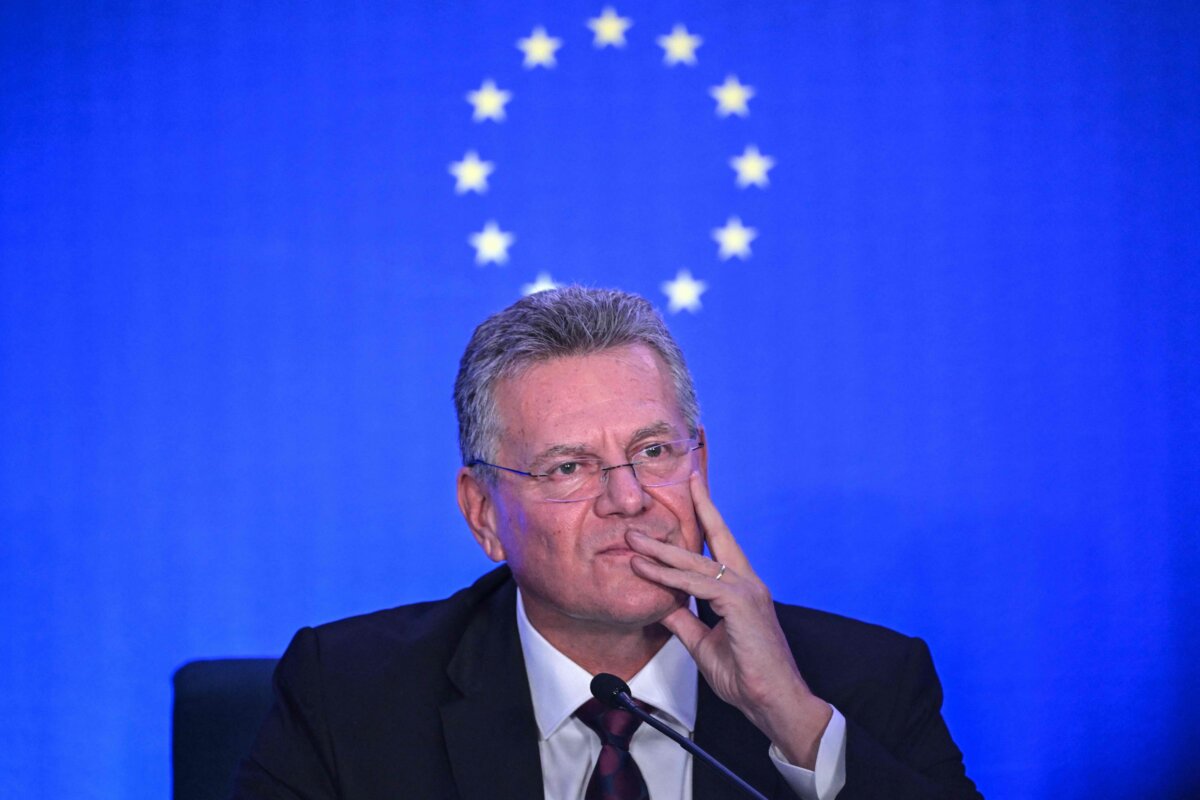

The European Union said China has agreed to cut its hybrid car exports to the bloc’s single market under a “shared understanding,” averting a potential trade war after months of intense negotiations between EU and Chinese trade representatives.
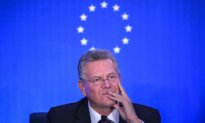
“We have reached a shared understanding to moderate China’s exports of hybrids and plug-in hybrids to the European Union,” European Trade Commissioner Maros Sefcovic told reporters in Beijing on Oct. 9.
“This opens the prospect of cutting China’s exports by more than a half.”
The EU trade chief made the comments after two days of talks with the Chinese negotiating team, led by the communist regime’s commerce minister, Wang Wentao.
Sefcovic described it as a four-year plan, but declined to offer further details on how Beijing would slash its hybrid car shipments, which have increased sharply in the EU market.
“It is for the first time that China has accepted to moderate its exports without going through the phase of prior trade tension,” Sefcovic said. “And I very much appreciate that.”
China’s commerce ministry confirmed that an “understanding” on hybrid car trade had been reached with the EU, but gave no details.
Beijing is also “willing to continue facilitating the approval of eligible rare earths and permanent magnets export license applications from the EU through ‘a green channel,’” according to a 16-point statement issued on the Chinese commerce ministry’s website on Oct. 9.
Sefcovic said China agreed to facilitate EU companies’ applications for export licenses for rare earths and permanent magnets, and to improve market access for European products. Those products range from car parts and olive oil to footwear, totaling almost 4 billion euros ($4.5 billion).
The understanding came ahead of an EU leaders’ summit set to start in Brussels on Oct. 15.
Sefcovic said he would present the results of the trade talks with China to European Commission President Ursula von der Leyen, who will discuss them with member state leaders at next week’s meeting and make a final decision after assessments.
“Having said that, this is far from the end,” Sefcovic said. “It’s a crucial first step, but only a first step in the process of rebalancing.”
The European Commission, the bloc’s executive arm that oversees trade matters, is under pressure to deliver tangible results in rebalancing trade relationships with Beijing.
Just days before Sefcovic headed to Beijing, the leaders of France and Germany—Europe’s two largest economies—called on Brussels to act faster to counter “systemic market-distorting practices,” a move widely seen as aimed at Beijing.
EU leaders are increasingly worried about an influx of cheap, subsidized exports from China that threatens the bloc’s jobs and homegrown businesses. German car giant Volkswagen has announced a sweeping restructuring plan, including plant closures and 50,000 additional job cuts, amid fierce competition from China.
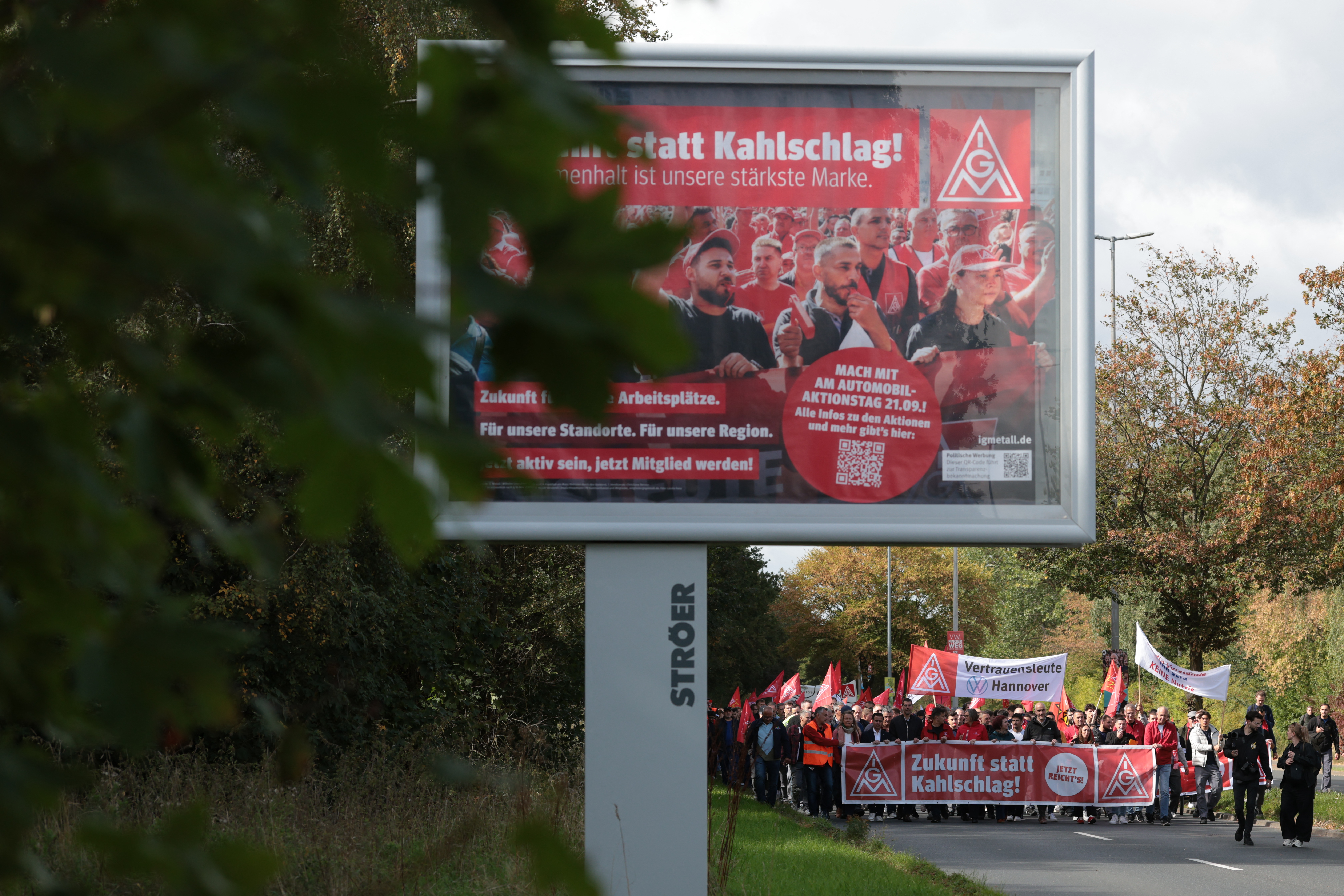 Demonstrators hold a banner reading “A Future Instead of Clear-Cutting” as they protest against job cuts in front of the commercial car plant of German carmaker Volkswagen (VW) in Hanover, central Germany, on Sept. 21, 2026. (Ronny Hartmann/AFP via Getty Images)
“I came here with one clear purpose: to start rebalancing the EU-China trade relationship and to make sure this first phase of negotiations under the trade and investment consultations delivers its first tangible outcomes,” Sefcovic told reporters in Beijing.
“As President von der Leyen has said, dialogue needs results, and where the dialogue cannot deliver, the EU will use its tools to ensure rebalancing.”
But exports are a vital driver of growth for China’s ailing economy, particularly as the long-running property crisis continues to weigh on consumption and investment.
During the two-day meetings, Wang expressed concerns over Brussels’ recent trade restrictions, according to the Chinese readout.
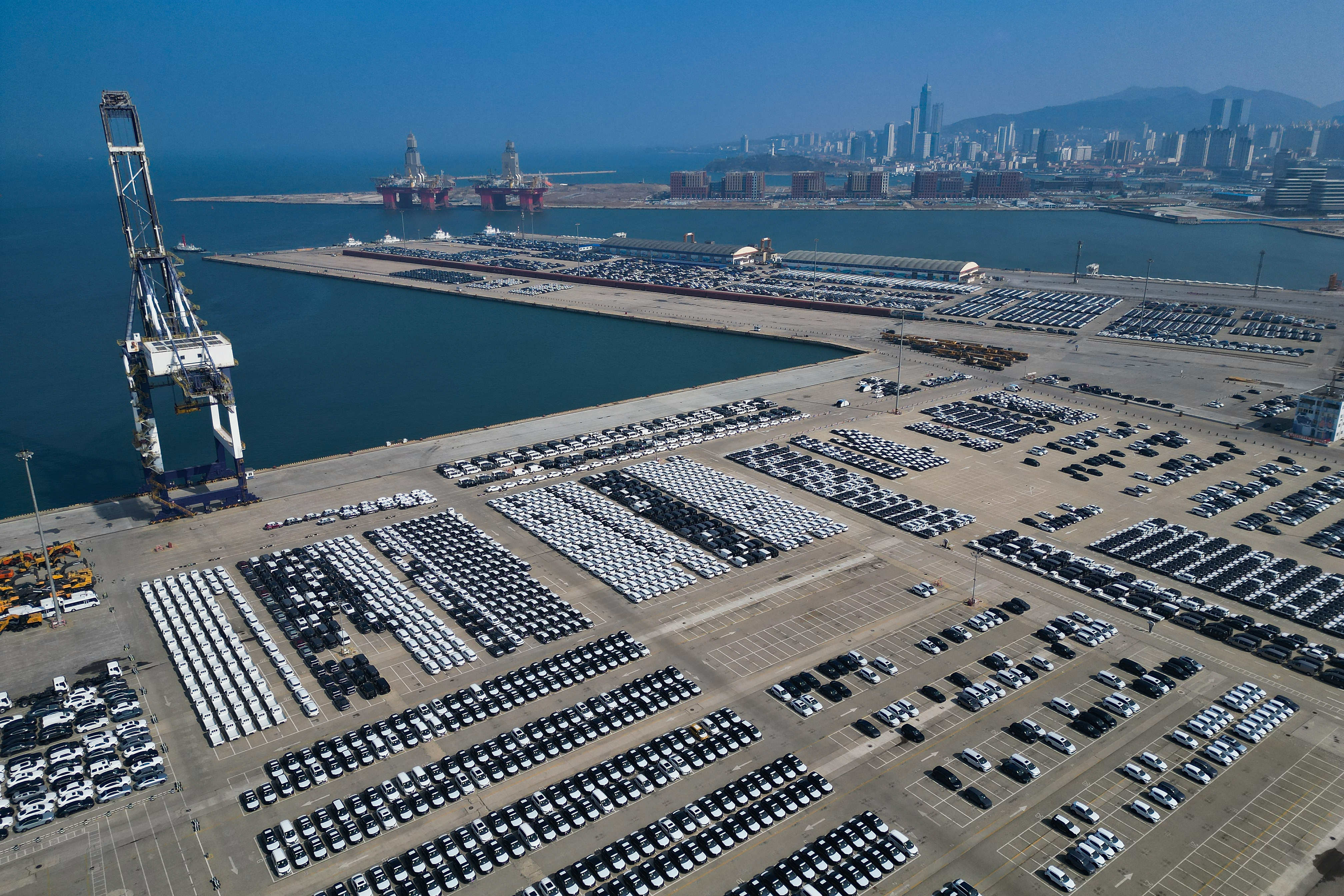 Aerial view of domestic vehicles waiting to be loaded onto a Ro-Ro ship for export at Yantai Port in Yantai, China, on April 10, 2026. (Getty Images)
EU’s relations with China have “reached a critical point, mostly due to China’s unfair economic practices such as dumping and spying and its position on Russia’s war of aggression against Ukraine,” the report stated.
“We want cooperation with China whenever possible, but unless this relationship fundamentally changes, China will remain a systematic rival,” Belgian Member of Parliament Hilde Vautmans, who authored the report, told reporters after its adoption.
Vautmans said the paper’s approval sent a “strong message” to European decision-makers traveling to Beijing. “No dumping, no spying, and a real economic level playing field.”
 Friends Read Free
Copy
Facebook
Tweet
Friends Read Free
Copy
Facebook
Tweet