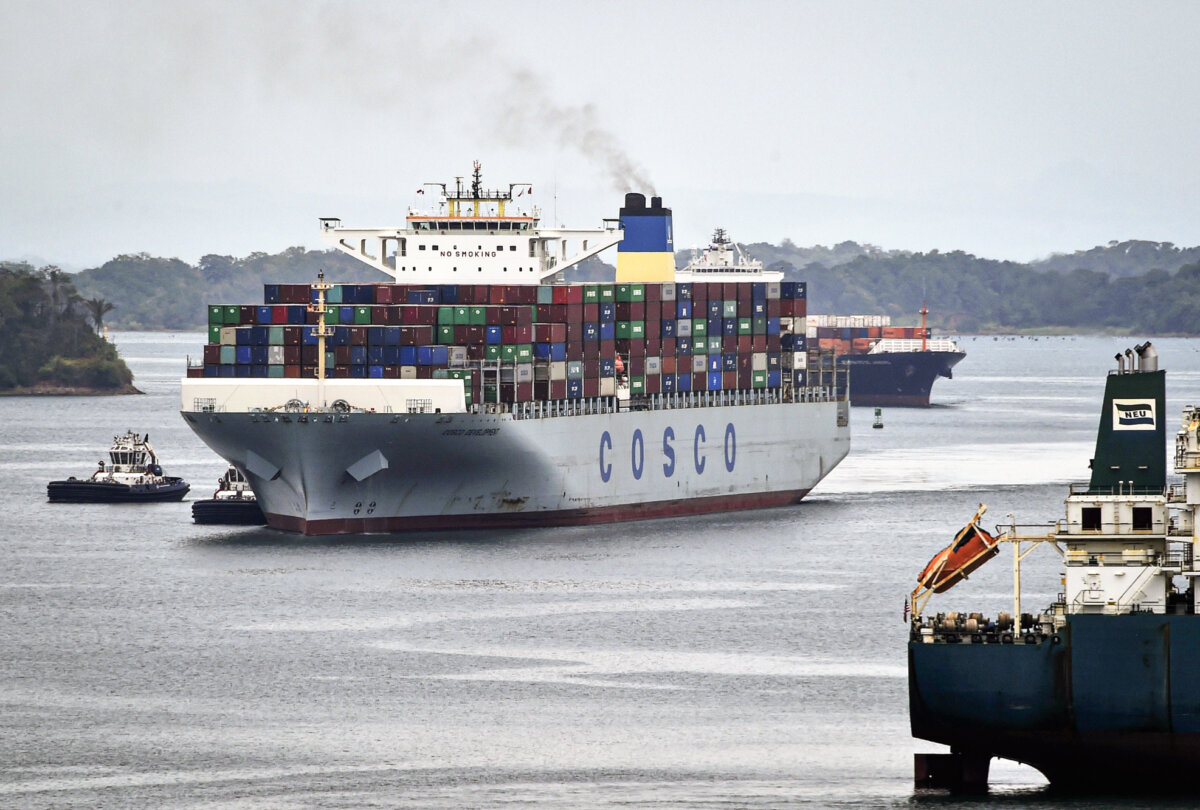

U.S. Secretary of State Marco Rubio has accused the Chinese communist regime of bullying by detaining or holding up dozens of Panama-flagged ships in China after the Central American country took control of two critical ports on the Panama Canal earlier this year from a subsidiary of a Hong Kong-based company.
“China’s decision to detain or otherwise impede Panama-flagged vessels engaged in lawful trade destabilizes supply chains, raises costs, and erodes confidence in the global trading system,” Rubio said in an April 2 post on X. “The United States stands with Panama against any retaliatory actions against its sovereignty and will always support our partners in the face of bullying.”
In a statement, Rubio said that China’s recent actions against Panama-flagged vessels “raise serious concerns about the use of economic tools to undermine the rule of law in Panama.”
The U.S. Federal Maritime Commission (FMC) stated last week that it was closely monitoring a surge in detentions of Panama-flagged vessels in China.
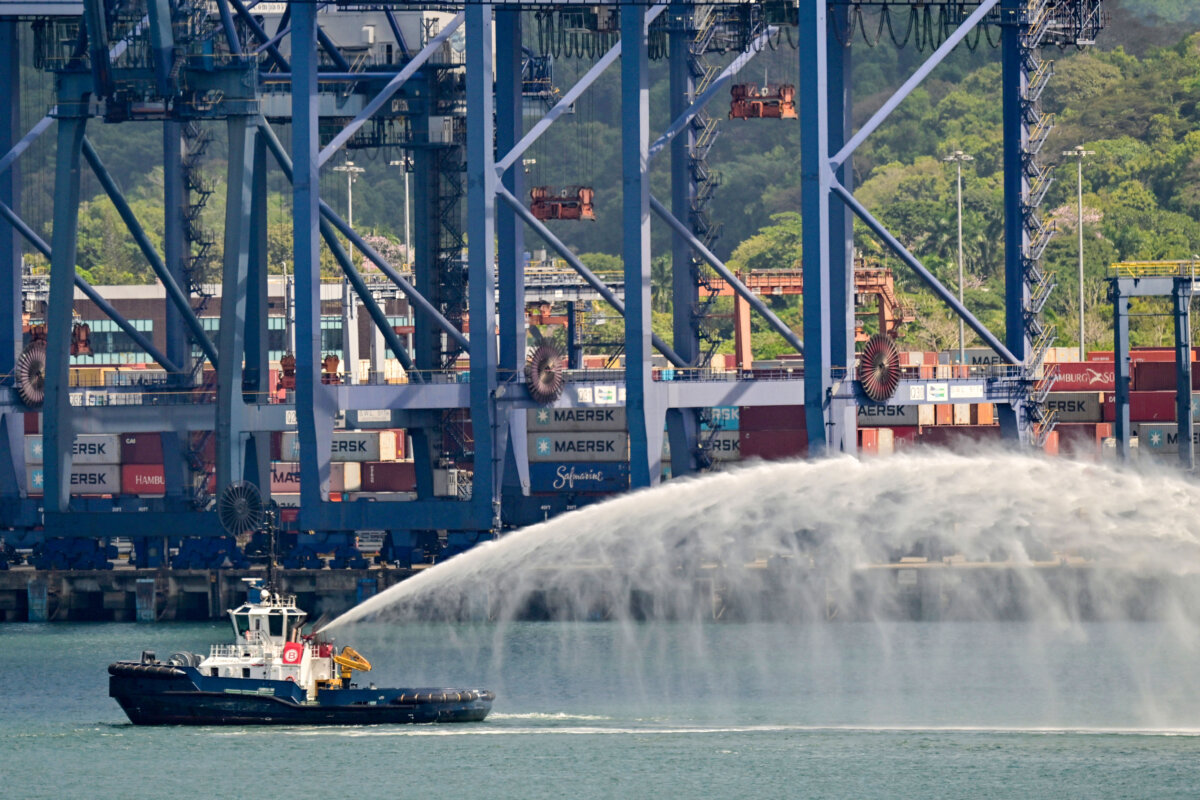
Panama’s supreme court ruled in January that the concession held by a subsidiary of Hong Kong’s CK Hutchison Holdings over the Balboa and Cristóbal terminals was unconstitutional.
“The decision followed an audit that uncovered alleged irregularities and raised questions about the concession’s legal basis,” the FMC stated.
Following the ruling, Panama appointed U.S. subsidiaries Maersk APM Terminals and Mediterranean Shipping Co.’s Terminal Investment as interim operators of the ports under 18-month contracts.
CK Hutchison, which operated the ports for nearly 30 years, rejected the court ruling, accused Panamanian authorities of unlawfully seizing property, and launched an international arbitration case against Panama, claiming damages of more than $2 billion.
In a Jan. 29 statement, CK Hutchison stated that the ruling lacks “legal basis” and “jeopardizes not only [Panama Ports Co.] and its contract, but also the well-being and stability of thousands of Panamanian families who depend directly and indirectly on port activity, but also the rule of law and legal certainty in the country.”
Surge in Detentions
Of the 124 ships detained in Chinese ports for inspection in March, 92—or nearly 75 percent—were Panama-flagged, according to public data from Tokyo MOU, a regional port state control organization comprising 22 member authorities in the Asia-Pacific region. The Panama-flagged ships were typically detained for one to 10 days before being released.
That represents a surge from the previous two months, when 19 out of 45 ships—or more than 40 percent—held in February were Panama-flagged, and 23 out of 71—or more than 30 percent—in January were Panama-flagged.
After the ruling from the Panama Supreme Court in January, Chinese Foreign Ministry spokesperson Guo Jiakun said that China would “take all measures necessary to firmly protect the legitimate and lawful rights and interests of Chinese companies.”
‘Punitive Manner’
FMC Chair Laura DiBella said on April 2 that the commission “is not aware of any other country in recent history conducting vessel safety inspections and detentions in a punitive manner.”
“Secretary Rubio’s statement highlights the disruptive effects of the government of China’s actions against Panama-flagged vessels,” she said.
In a March 26 statement, DiBellas said, “Given that Panama‑flagged ships carry a meaningful share of U.S. containerized trade, these actions could result in significant commercial and strategic consequences to U.S. shipping,” noting that the FMC is legally empowered to investigate whether regulations or practices of foreign governments could harm U.S. trade.
The Chinese Embassy in Washington dismissed U.S. statements as an attempt to seize control of the canal. Beijing had stated that it firmly opposed the court ruling against Hutchison’s port concessions, calling it an “act of bad faith.”
The Panama Canal carries about 5 percent of global maritime trade, making any disruption a potential threat to worldwide supply chains.
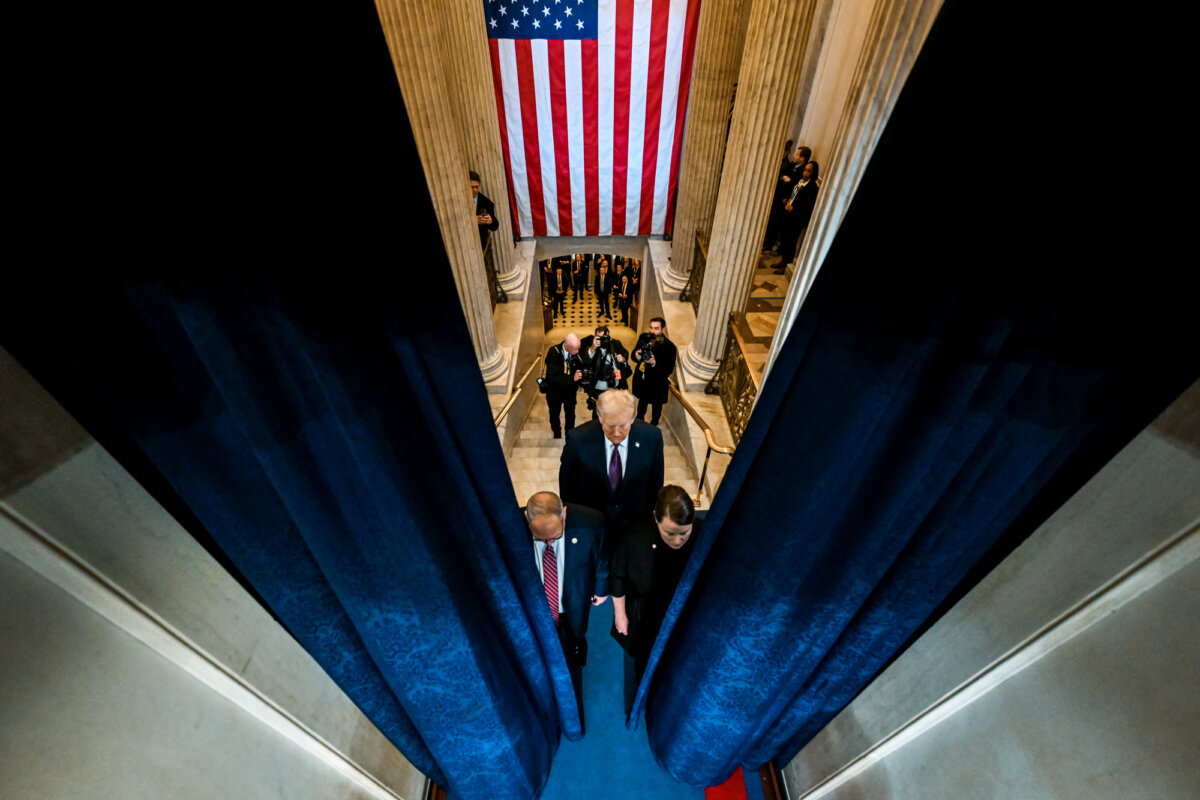
U.S. President Donald Trump accused Beijing last year of running the Panama Canal.
“China is operating the Panama Canal. And we didn’t give it to China,” the president said in his Jan. 20, 2025, inaugural address. “We gave it to Panama, and we’re taking it back.”
In March, Panama’s foreign minister, Javier Martínez, recognized that there had been an increase in detentions but said he believed that they were “part of routine maritime industry practices, because detentions also occur in other ports and to other flags.”
“We want to maintain a respectful relationship with China,” he said.
Hutchison Ports
Hutchison Ports, a subsidiary of CK Hutchison Holdings, is controlled by the family of Hong Kong billionaire Li Ka-shing and operates 53 ports across 24 countries, including the UK, Germany, South Korea, and Spain, as well as Hong Kong.
It first won 25-year concessions to operate one port at each end of the Panama Canal in 1997, the same year that the British relinquished control of Hong Kong and handed it over to Beijing. Those concessions were renewed in 2021 for another quarter century.
Last year, CK Hutchison agreed to transfer the concession as part of the global sale of more than 40 ports for about $23 billion to a consortium led by U.S. asset manager BlackRock, a transaction that has been stalled by China amid a geopolitical dispute with the United States.
A Heritage Foundation report from September 2025 stated that a “successful completion of this deal would jeopardize a decade-long Beijing strategy to control strategic ports,” which “enraged the Chinese government.”
It noted that on July 31, 2025, a spokesman for the Chinese Ministry of Commerce announced that Beijing would oversee any sale of the port and that, as a result, a definitive agreement had not yet been reached.
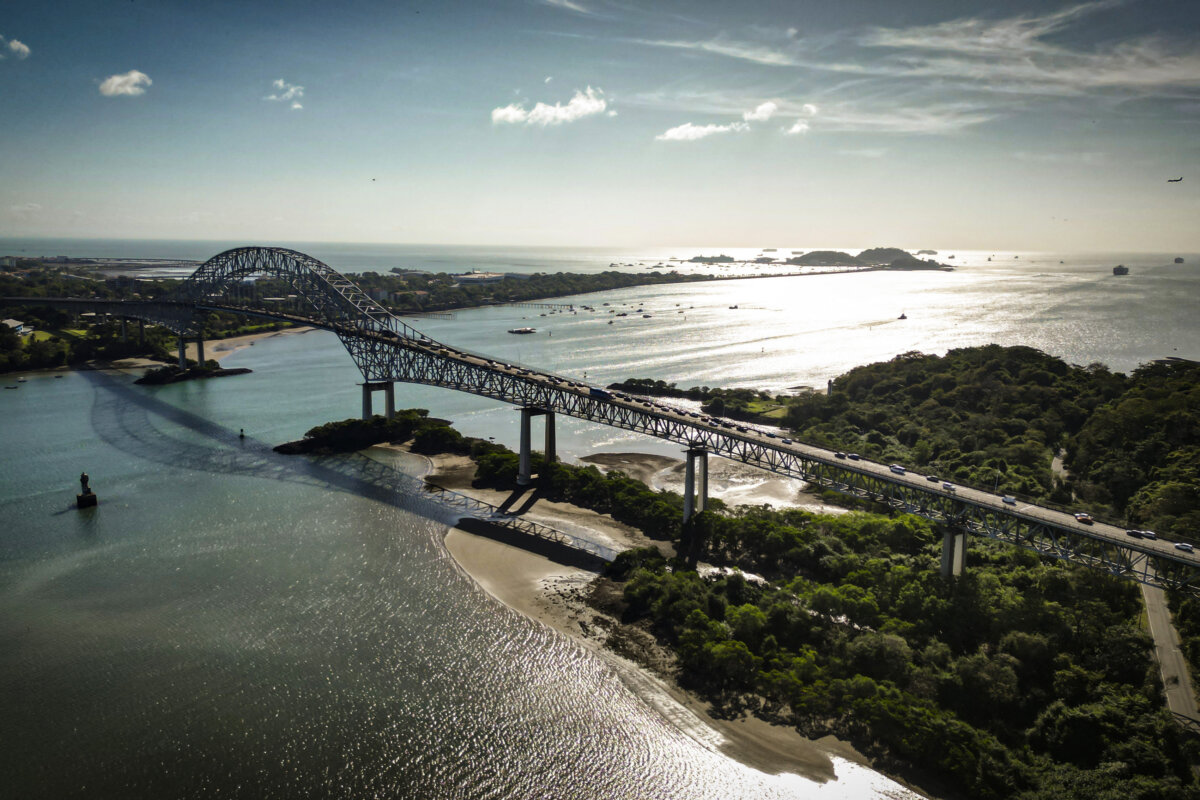
Since Washington gave up control of the canal in 1999, Panama has severed relations with Taiwan, become the first Latin American nation to join the Chinese Communist Party’s Belt and Road Initiative, and awarded a consortium of Chinese state-owned companies a $1.42 billion contract to build a fourth bridge over the canal.
The United States built the canal over a decade in the early 1900s to connect the Atlantic and Pacific oceans, finishing the project in 1914.
Washington relinquished control of the waterway to Panama on Dec. 31, 1999, under a 1977 treaty signed by U.S. President Jimmy Carter.
The 1977 deal consists of two treaties: the Treaty Concerning the Permanent Neutrality and Operation of the Panama Canal, also known as the Neutrality Treaty, and the Panama Canal Treaty.
The Neutrality Treaty stipulates that the United States may use its military force to protect the Panama Canal from any threat to its neutrality, essentially allowing the United States to perpetually use the waterway.
Rubio said on April 2 that the United States “looks forward to increasing our economic and security cooperation” with Panama.
Guy Birchall, Reuters, and The Associated Press contributed to this report.
 Friends Read Free
Copy
Facebook
Tweet
Friends Read Free
Copy
Facebook
Tweet