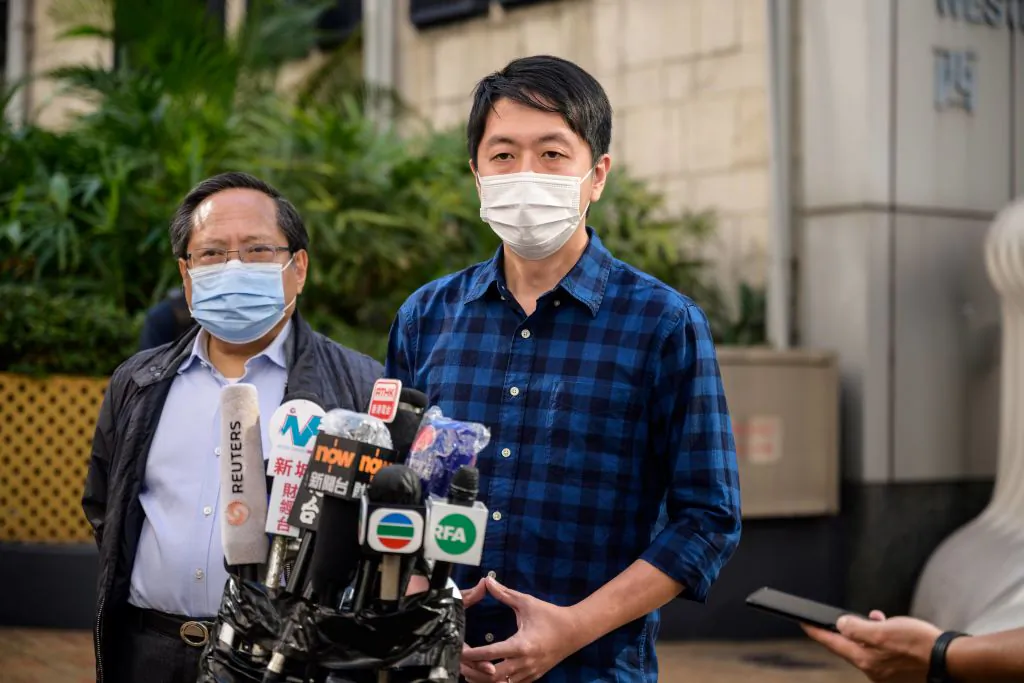
Self-exiled former Hong Kong lawmaker Ted Hui has warned that Western nations need to heed the lessons of Beijing’s takeover of the city, saying despite the many extensive trade ties to China, democratic nations had to see through the façade and take firmer action against the tyrannical regime.
Motivated by a desire for Hong Kongers to be free while ignoring potential risks to his safety, Hui is in Australia hoping to galvanise support for his people, and is due to meet local parliamentarians and Hong Kong community members to accelerate efforts at developing a safety net for those fleeing the communist crackdown in the former British colony.
“I feel a responsibility to speak up for them because if those who enjoy freedom don’t speak out, then no one else can,” he told The Epoch Times in an exclusive interview.
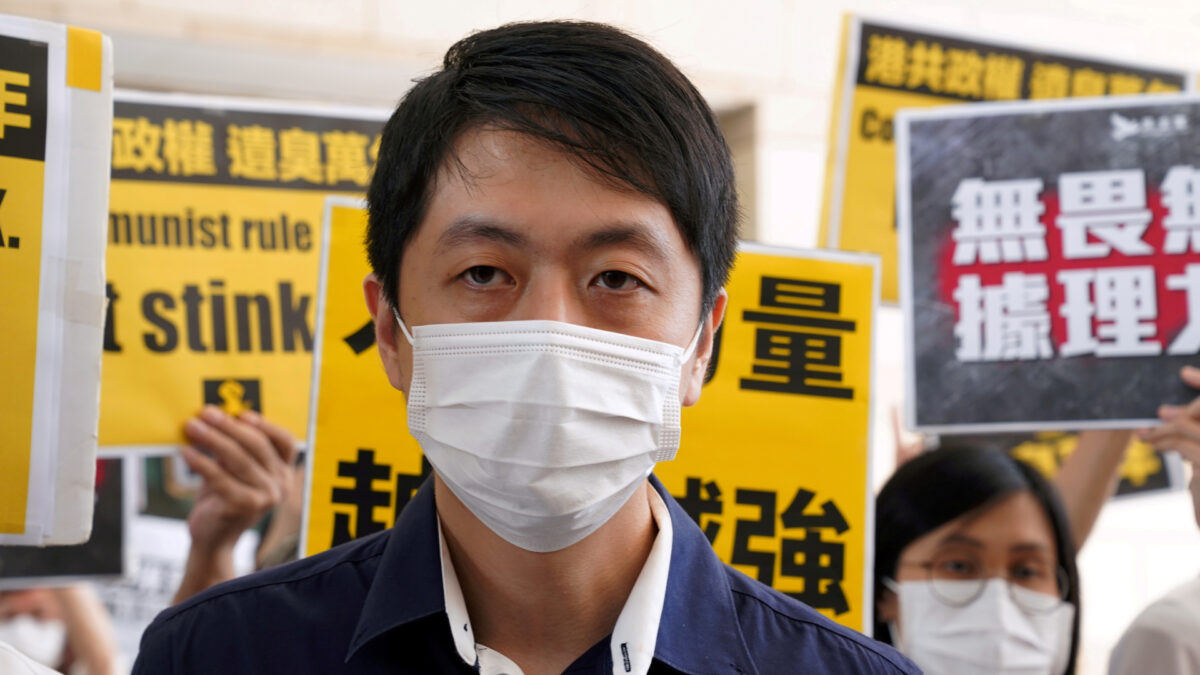
As a safety precaution, Hui prefers to keep his whereabouts in Australia a secret.
He said it was now “crystal clear” that the Chinese Communist Party (CCP) was willing to breach international laws and that Western political and business leaders needed to stop placing trust in the regime.
“If you look at Hong Kong’s situation, we were promised a high degree of autonomy, ‘One Country, Two Systems,’ a gradual progression towards democracy, and an independent judiciary,” he said. “These promises are now empty promises.”
“You can see people are thrown in jails, and it is basically ‘One Country, One System’ now. It has become another Mainland Chinese city. What’s the point believing Beijing will uphold its international obligations?” he added.
“I think these are the painful lessons that Hong Kongers have learned, and I wish the West and free countries can learn from them too.”
The call comes as some prominent Australians continue to push the Morrison government to be more subdued in its response to the CCP’s trade dispute with Australia and human rights violations.
“There is an opportunity for some diplomacy and probably a bit more behind-the-scenes discussions and negotiations,” Elizabeth Gaines, CEO of Fortescue Metals, told the Australian Financial Review Business Summit earlier this week.
On this issue, Hui said despite China being a lucrative market for business, ultimately, there was a “contradiction” between the CCP’s Marxist ideology and the liberal democratic values of the free world, including “freedom, democracy, and universal values like human rights.”
The Gradual Erosion of Hong Kong’s Autonomy
Under the Sino-British Joint Declaration Treaty, which is registered with the United Nations, Hong Kong was to maintain a democratic governance model for a 50-year period until 2047.
However, since the handover of Hong Kong to the CCP in 1997, this framework has been steadily eroded, despite repeated assurances from communist leaders.
In recent years, Beijing has taken a more overt stance, introducing two laws that not only sparked millions-strong protests but ushered in the death-knell for Hong Kong’s autonomy.
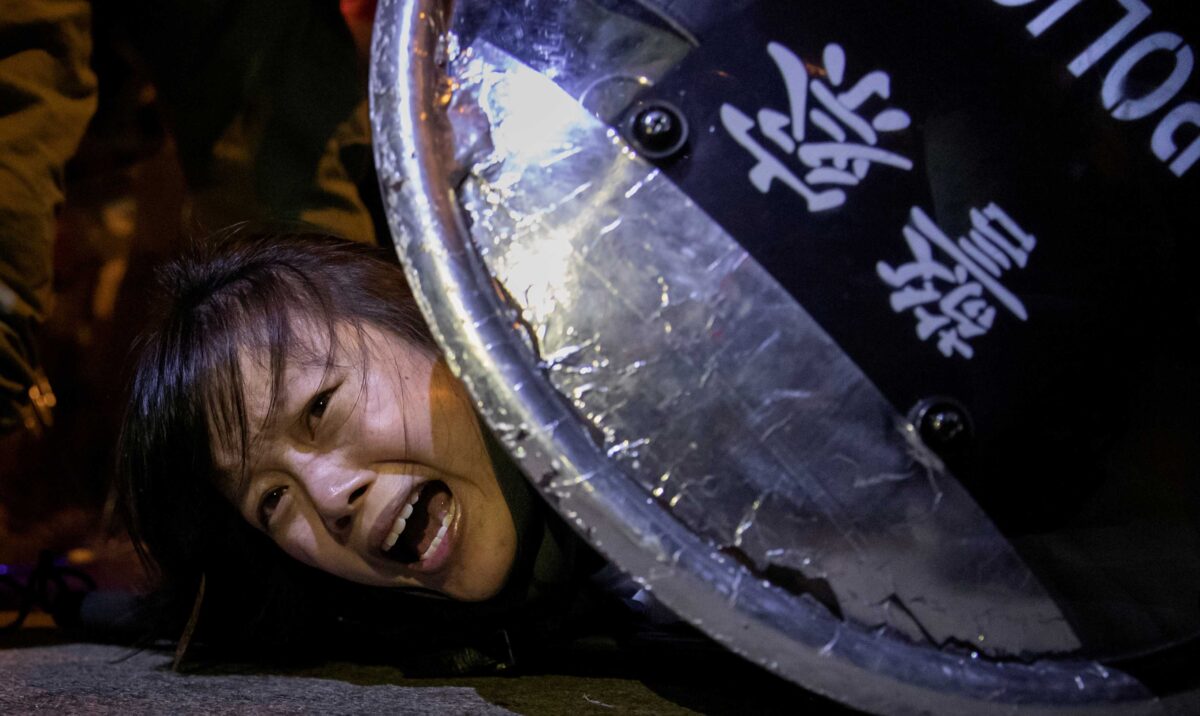
The 2020 National Security Law, which was passed without the Hong Kong legislature’s approval, gave the CCP the authority to crack down on activities it deemed could “split the country, subvert state power, organize and carry out terrorist activities.”
A wide interpretation of the law effectively gave the CCP free rein to target pro-democracy activists or groups and overrule local governing bodies.
Beijing has exploited the law to tighten its grip over the city, arresting several lawmakers and pro-democracy activists, including media tycoon Jimmy Lai.
Galvanising Australia’s Response to the Crisis
Ted Hui’s visit to Australia is centred around three goals.
First, Hui hopes to accelerate the government’s rollout of Magnitsky-style legislation that would give Australia the authority to place sanctions on specific human rights abusers and family members.
This would effectively hamstring their ability to travel or move wealth to Australia.
For Chinese officials, it could be a major deterrent to breaching international human rights laws, as a high proportion of high-net-worth Chinese have long term plans to leave China, with the United States, Canada, and Australia traditionally being the most popular destinations.
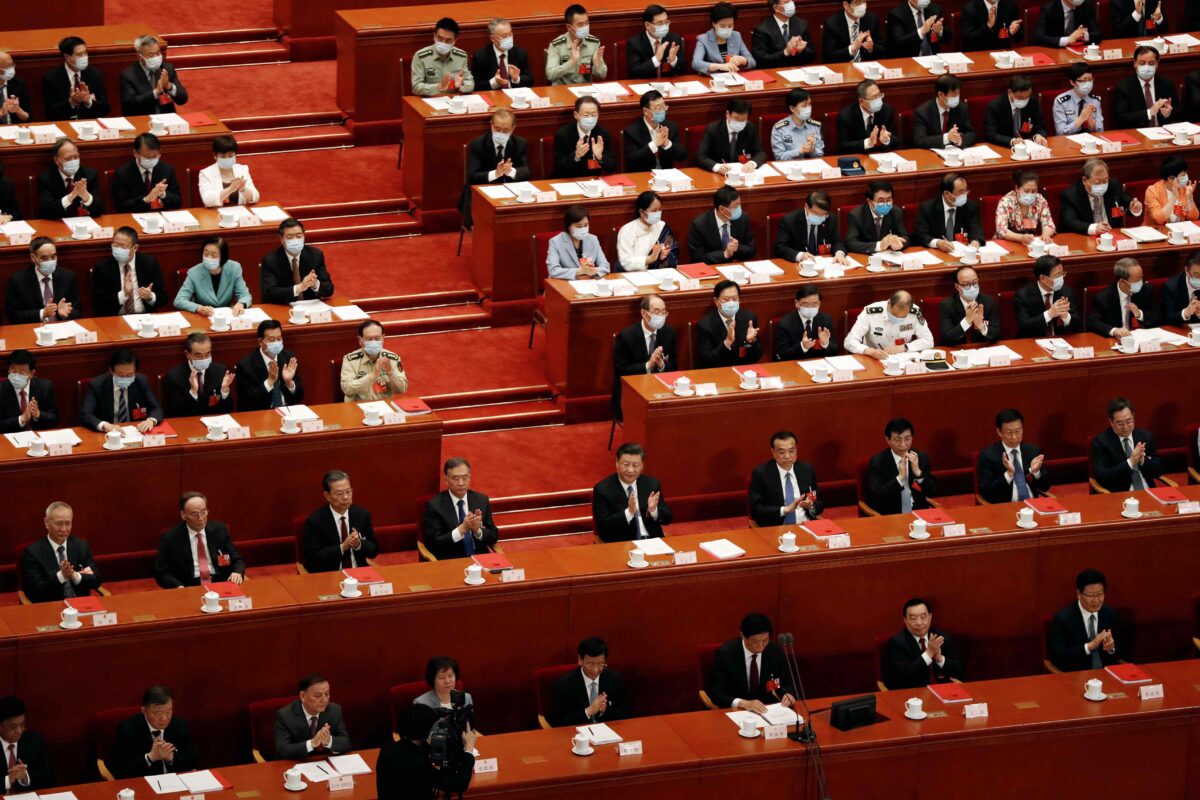
Second, Hui will push Australia to continue diversifying its trade relationship away from China. A trend that was sparked by last year’s trade war that was instigated by Beijing in response to Foreign Minister Marise Payne’s call for an investigation into the origins of COVID-19.
Australian wine, barley, and salmon industries are beginning to see the fruits of diversifying away from China.
“Finally, I’m here lobbying for more concrete plans for those who face persecution and need to flee Hong Kong urgently,” Hui said.
In response to the crackdown on Hong Kong protestors, the Australian government last year granted five-year visa extensions to all Hong Kong students or skilled visa holders in the country.
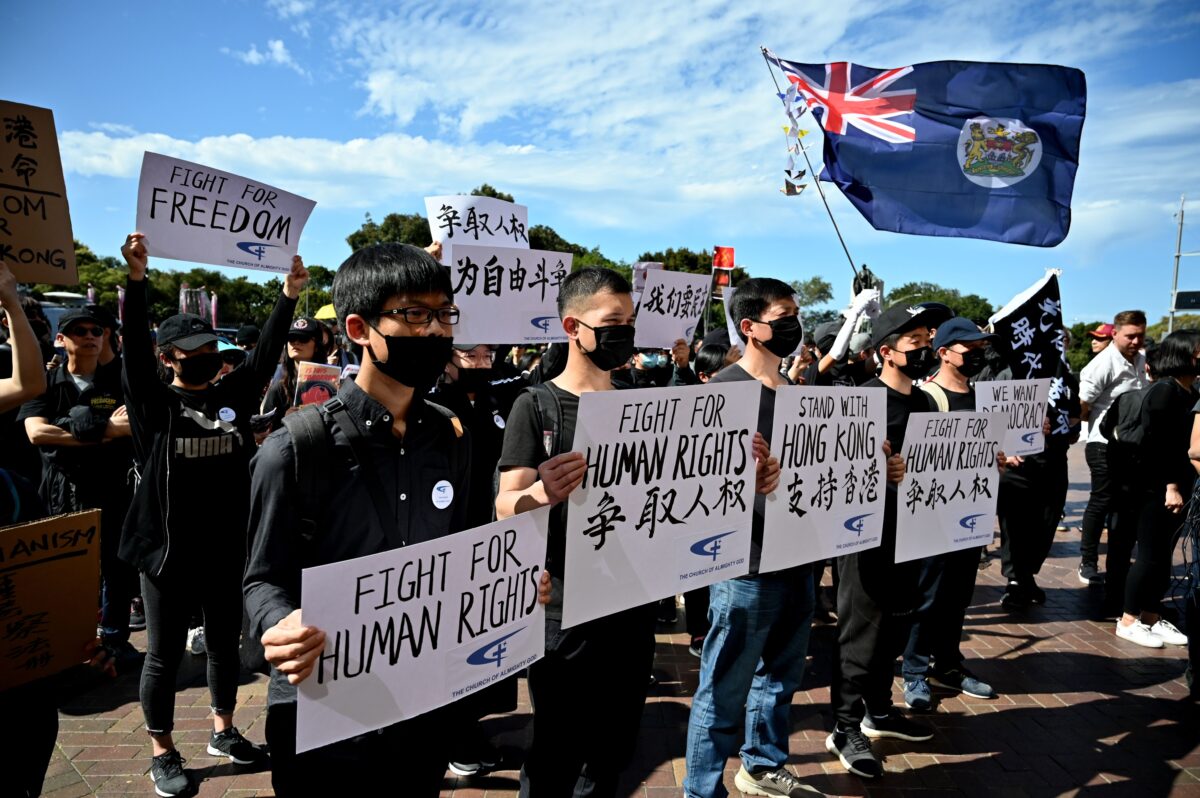
Hui, however, called for more clarity around whether those visa extensions could result in permanent residency.
A sentiment echoed by Independent Senator Rex Patrick, who said in February, “In these circumstances, Australia must open our door wider to give our Hong Kong friends refuge, safety, and full opportunity to enjoy democratic freedoms.”
Ultimately, stronger action would send a “clear message” to Beijing that Australia and democratic nations would not compromise its values, according to Hui.
He conceded however that it was “too early” to make a judgement on U.S. President Joe Biden’s stance on Hong Kong and whether his administration would remove the Trump-era sanctions placed on Chinese officials involved in cracking down on pro-democracy activists.
Determined to Return Home After Tyranny is Extinguished
Hui has been a member of the Hong Kong Legislative Council since 2016.
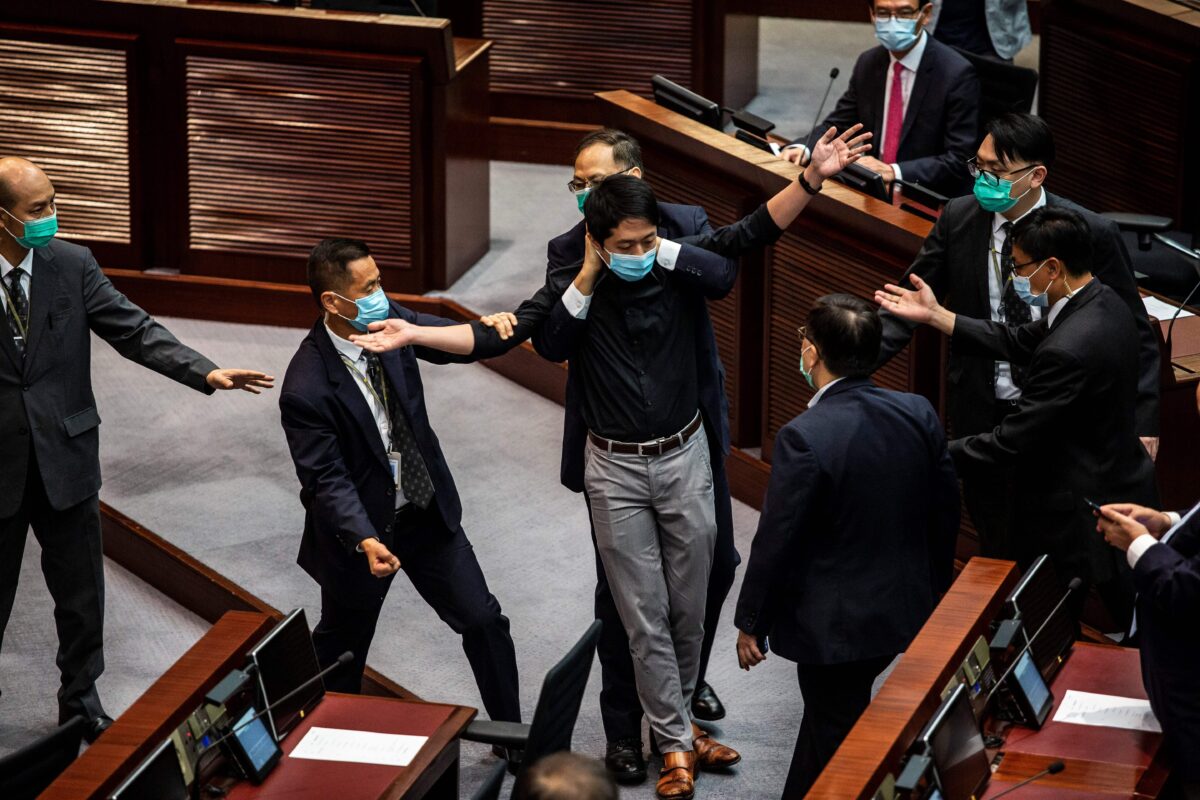
In November, he resigned along with 18 other pan-democracy lawmakers who protested the Hong Kong government’s decision to disqualify four pro-democracy legislators.
Hui decided to leave Hong Kong in December for Denmark and the United Kingdom, spending the past three months lobbying parliamentarians and human rights activists.
CCP officials meanwhile have issued repeated warnings to the Australian government to “stop meddling” in Hong Kong’s affairs. Otherwise, the China-Australia relationship would “sustain further damage.”

The CCP has also taken direct measures to intimidate and threaten local dissidents, with some fearing to speak out against the regime due to potential reprisals against family members in China.
When asked how he felt about possible repercussions, Hui responded, “No, I have no fears.”
“Nothing is more terrible than being teargassed, pepper-sprayed, and beaten with police batons. Nothing is more fearful than losing your freedom at any moment when the police come after you and can jail you for decades,” he said.
Hui has ruled out any immediate return to Hong Kong, saying he would likely be “arrested right away” and thrown into prison.
“But I am determined to return home after removing and dissolving the tyrannical regime that has occupied my home.”
 Friends Read Free
Copy
Facebook
Tweet
Friends Read Free
Copy
Facebook
Tweet