
The China–Russia summit signals that ties between the two sides remain “structurally solid,” a bond that experts warn is being utilized to undermine the United States militarily, politically, and economically.
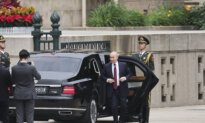
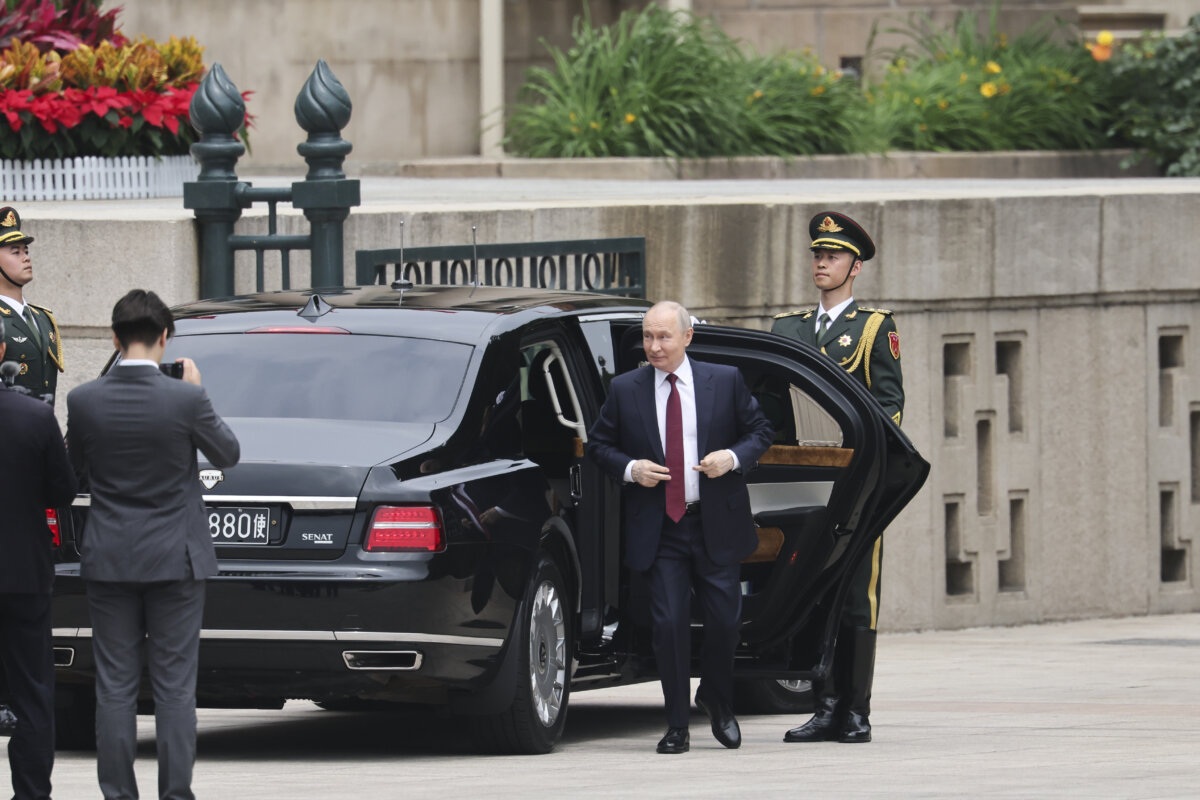
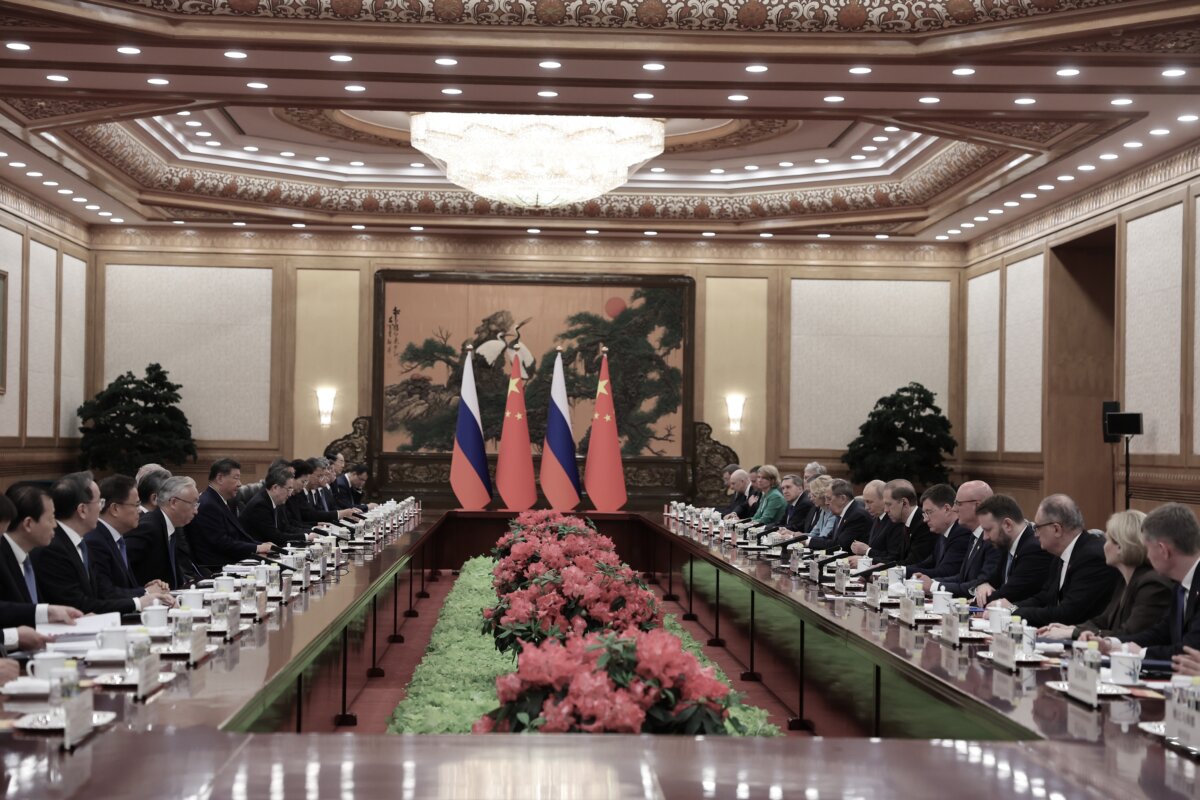
Chinese leader Xi Jinping welcomed Russian President Vladimir Putin to the Great Hall of the People in Beijing on May 20 with full ceremonial honors and a 21-gun salute.
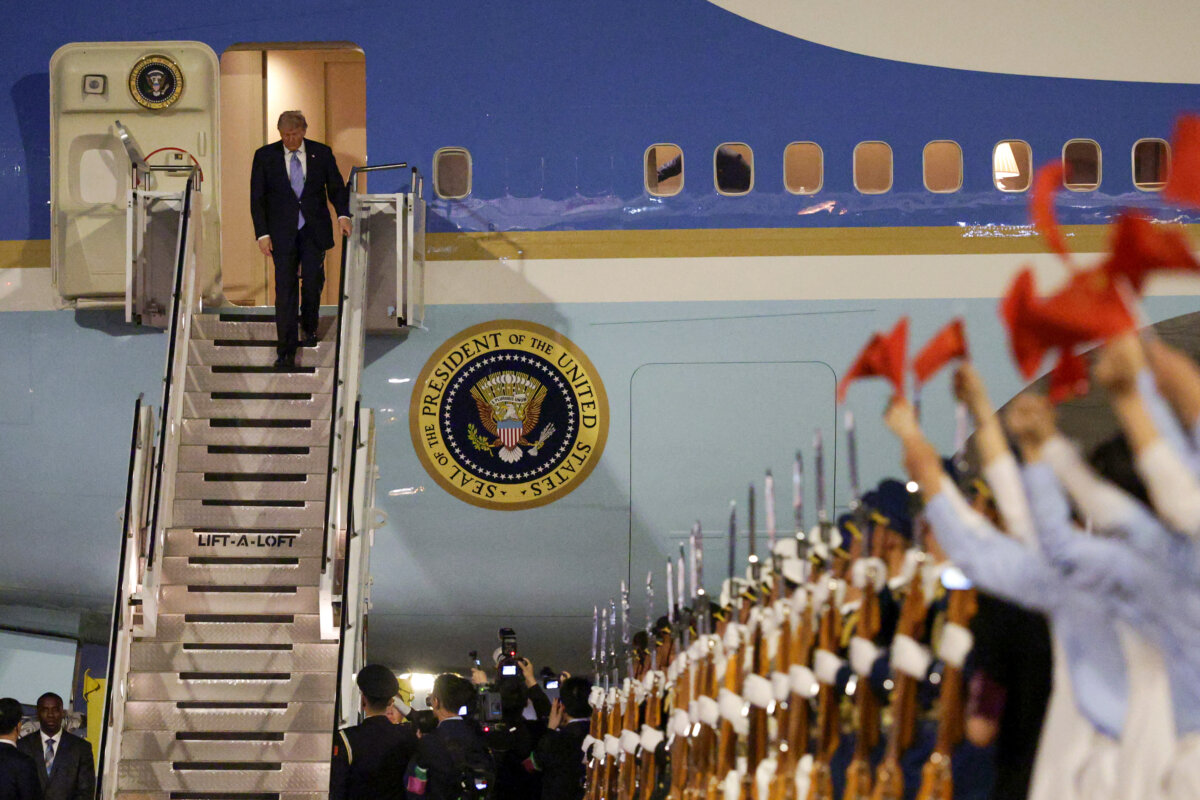
Both leaders hailed a “new stage” in bilateral ties during their talks following the display, which mirrored the lavish reception Xi hosted for President Donald Trump at their summit on May 14–15.
China and Russia pledged to enhance military mutual trust and strengthen energy and digital cooperation, according to a translation of the joint statement issued after their meetings.
Beyond these commitments, however, the text contains language squarely directed at the United States, which is explicitly named six times.
It included claims that Washington and Jerusalem were “violating international law” in the ongoing Iran war and blamed the Golden Dome project for “elevating the risk of space conflict.”
The Golden Dome is a multilayered defense system designed to protect the United States from advanced missiles and other aerial threats.
On the Ukraine war, the statement said lasting peace requires addressing what it called the underlying causes of the crisis—a framing that makes no reference to Russia’s armed invasion.
The visit marks the Russian leader’s second trip to China in less than a year, adding to the more than 40 encounters the pair have held.
During the summit, Putin also invited his counterpart to visit Russia next year.
‘Structurally Solid’
Joseph Webster, a senior fellow at the Atlantic Council’s Global Energy Center, said the Xi–Putin meeting after Trump’s visit to Beijing signals that the Chinese regime regards its Russian partner as a “valuable asset.”
“Allies and close partners consult with one another, as President Trump did when he called Japanese Prime Minister Sanae Takaichi,” Webster told The Epoch Times.
“Xi’s sit-down with Putin demonstrates that the two figures work closely, in opposition to the United States.”
Alexander Korolev, a senior lecturer in politics and international relations at the University of New South Wales in Sydney, said that although the Russian leader’s trip was planned well in advance as part of regular exchanges rather than a reactive move to Trump, the timing carries significance.
“It shows that China–Russia cooperation remains structurally solid and is one of Beijing’s strategic priorities,” Korolev told The Epoch Times.
He said that the partnership with Russia continues to serve as “a reliable pillar” for Beijing, particularly as the Trump–Xi summit failed to produce breakthroughs on issues such as technology restrictions and Taiwan.
“For Moscow, the optics reinforce that Russia is not isolated and that its relationship with China retains high‑level political attention,” he said.
Ukraine War
Putin’s presence in Beijing came as the invasion of Ukraine entered its fifth year, with combined casualties that may have already reached 2 million, according to a report in January from the Center for Strategic and International Studies, a Washington-based think tank.
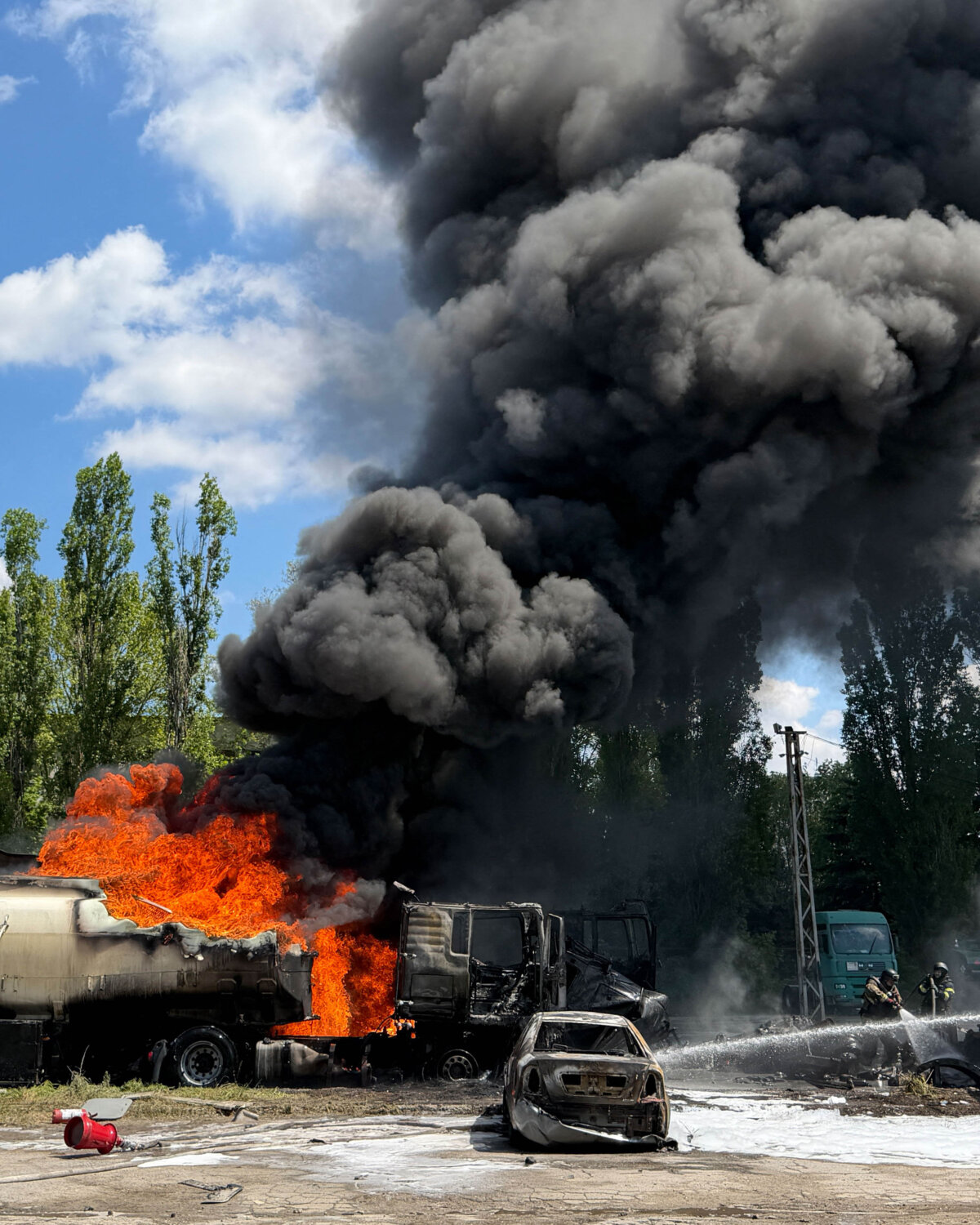
Kyiv and its allies have repeatedly accused the Chinese Communist Party (CCP) of supplying lethal aid to Russian forces, but the regime has consistently denied the allegations.
Korolev said Beijing will continue to deliver political cover and economic lifelines to Moscow following the summit, particularly through trade, energy purchases, and dual-use goods, materials, software, or technologies with both civilian and military applications.
“[Beijing is] stopping short of overt military assistance that would trigger secondary sanctions or a major rupture with Europe,” Korolev said.
“The priority for both leaders is to ensure that the war does not undermine the broader trajectory of China–Russia cooperation.”
Webster warned that if Beijing crossed into direct arms transfers, it would mark a step change in its support for the Putin regime and prolong the war.
“While the war has been difficult for Ukraine, the tide may be turning in Kyiv’s favor,” he said.
“If Beijing steps up assistance to Moscow at the current moment, it will further damage China’s ties with the West.”
‘Deep Concern’
Beijing and Moscow’s strengthening ties are of “deep concern,” as both capitals aim to undermine the United States militarily, politically, and economically, according to Webster.
“Importantly, greater energy cooperation between Beijing and Moscow is evidence that Beijing is building energy resiliency ahead of a potential quarantine or blockade of Taiwan,” he said.
Taiwan is a self-governed democracy that the CCP has never controlled but has vowed to annex by force.
Xi told Trump that Taiwan “is the most important issue in China–U.S. relations” during their meeting.
Webster said Washington should respond to any aggression by the CCP or the Kremlin by strengthening military-industrial assistance for Kyiv and Taipei while also rebuilding its own defense industrial base.
Yet the United States increasingly recognizes that it is extremely difficult to drive a wedge between China and Russia, Korolev said.
“The structural drivers of China–Russia alignment remain strong: shared threat perceptions, complementary economies, and a common interest in constraining U.S. influence,” he said.
Korolev said that while Russia gains economic and diplomatic insulation from Western pressure, China benefits from a partner willing to challenge the United States across multiple theaters.
“This complicates Washington’s ability to manage either relationship in isolation,” he said.
Korolev said the U.S. response is likely to involve a harder line on China, particularly on technology controls and supply-chain security, but it will not fundamentally weaken China–Russia cooperation.
“The partnership is not a tactical convenience; it is now embedded in both countries’ long‑term strategic planning,” Korolev said.
 Friends Read Free
Copy
Facebook
Tweet
Friends Read Free
Copy
Facebook
Tweet