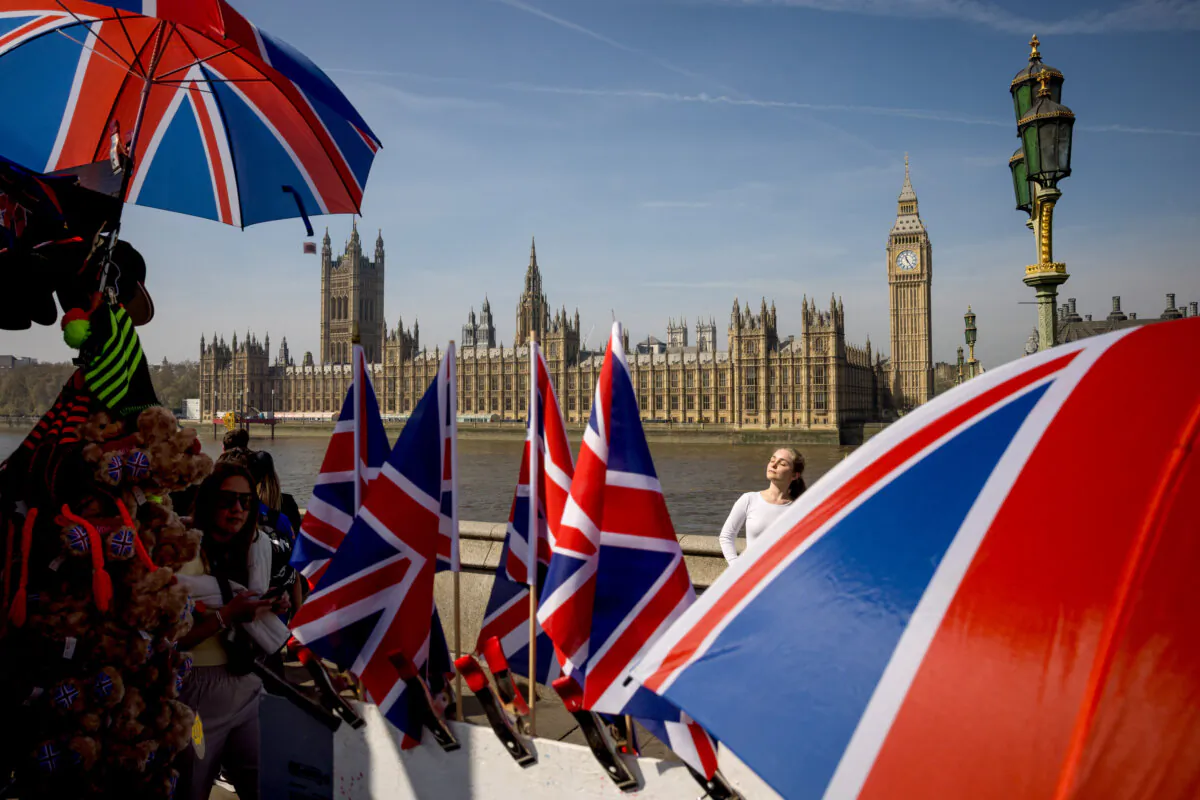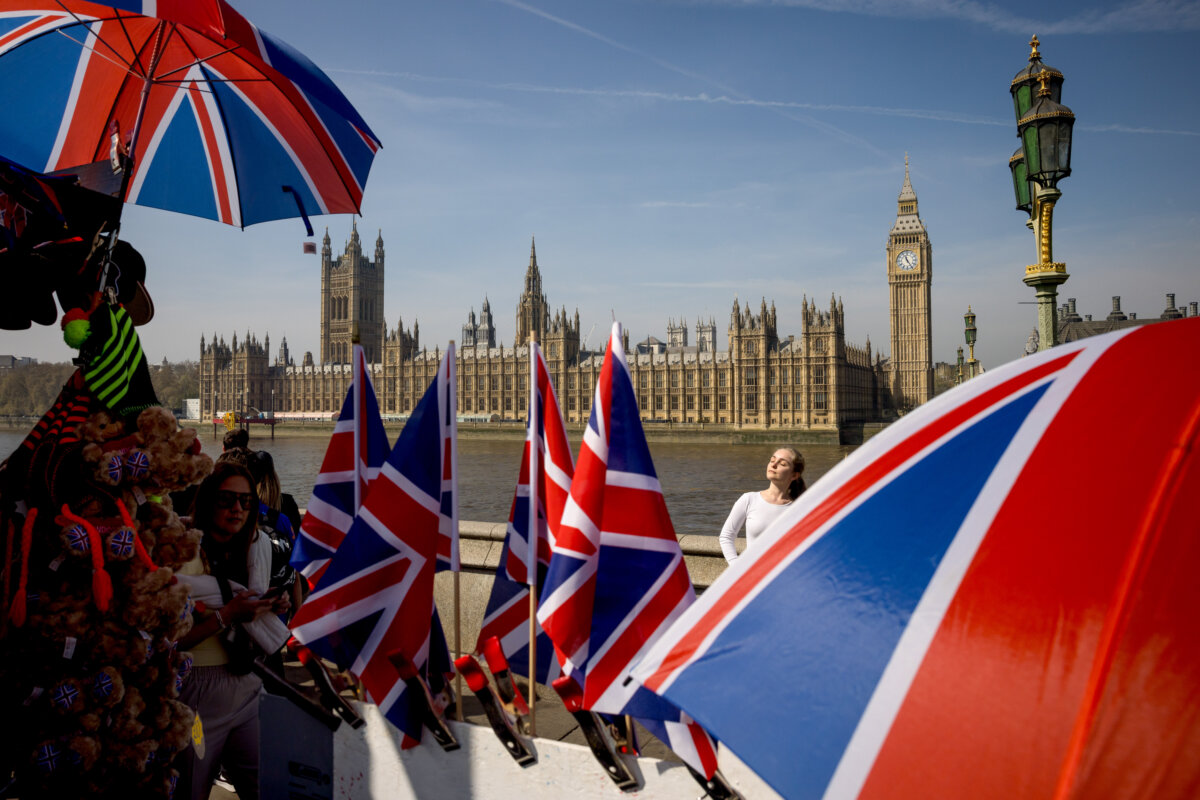

The United Kingdom Parliament’s Intelligence and Security Committee (ISC) has released its latest annual report, urging the UK government to “stop dragging its heels” over communist China’s threat because of economic interests.
In its 2023-2025 Committee Annual Report released on Dec. 15, ISC, which is made up of senior members of Parliament and peers, warned that “the threat to the UK from hostile activity by Russian, Iranian, and Chinese State-linked actors is multi-faceted and complex.”
The report said that “China’s state intelligence apparatus—almost certainly the largest in the world” targets the UK, “presenting a challenge” for the British government agencies to cover.
The committee also highlighted “China’s ‘whole-of-state’ approach, as Chinese state-owned and non-state-owned companies—as well as academic and cultural establishments and ordinary Chinese citizens—are liable to be willingly or unwillingly co-opted into Chinese espionage and interference operations overseas.”
The ISC further pointed out the extent and scale of the Chinese communist regime’s infiltration in the UK in the report.
“Much of the impact that China has on the UK’s national security is overt—through its economic might, its takeovers and mergers, and its interaction with Academia and Industry—and its size, ambition, and capability have enabled it to successfully penetrate every sector of the UK’s economy.”
In terms of cybersecurity, the report said “China continues to be a highly sophisticated and capable threat actor, targeting a wide range of sectors and institutions across the globe, including in the UK.”
The report also warns that many state actors and cybercriminals have begun using artificial intelligence (AI) to increase the volume, scale, and impact of cyberattacks. Commercial cyber intrusions are expected to expand significantly over the next five years, and the sources of threats will become more difficult to predict.
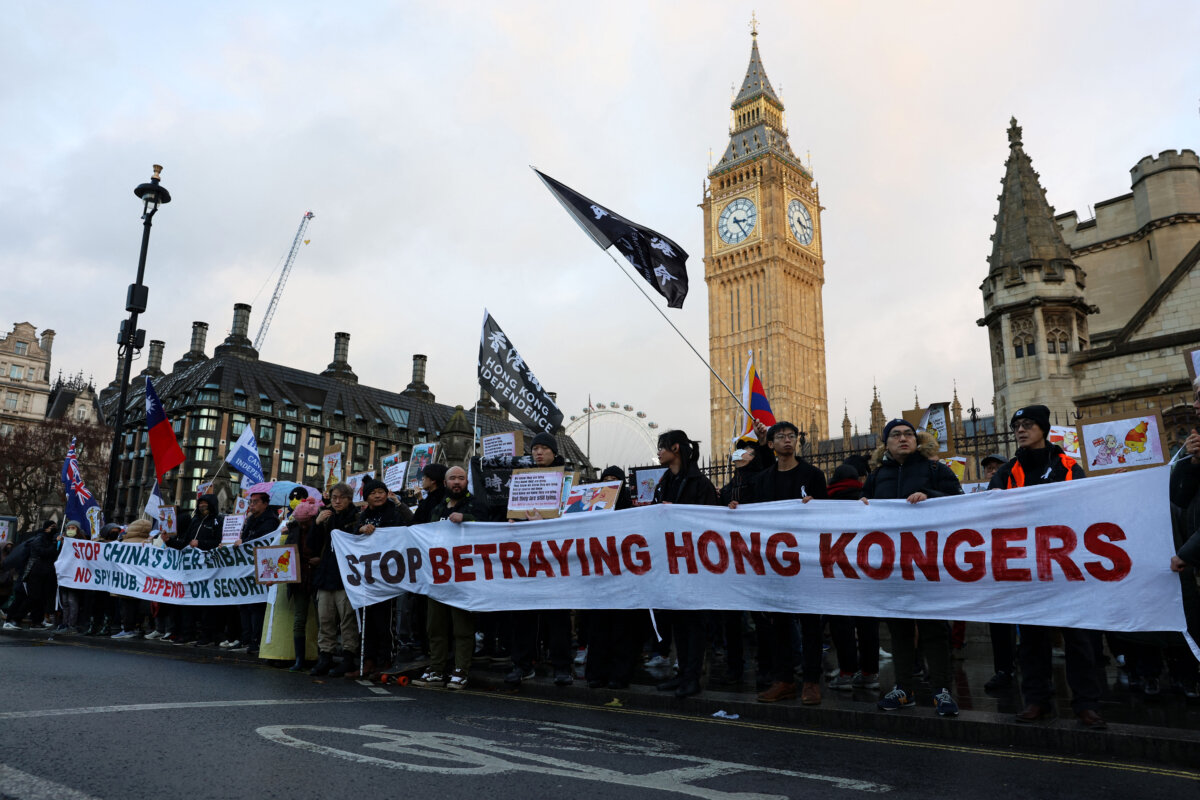
The report comes amid ongoing discontent over the collapse of a Chinese spying case and warnings by MI5 of the threat the communist regime poses to UK national security.
Exclusion of China From ‘Enhanced Tier’ in FIRS
The committee expressed deep concern about the operation and specific results of the Foreign Influence Registration Scheme (FIRS) implemented under the UK’s National Security Act 2023.
FIRS took effect in July of this year, and currently only Iran and Russia are listed in the “Enhanced Tier.” Faced with repeated questioning from the Parliament about why China is not included, UK government officials have said that the review is ongoing.
“Given the extent of the threat posed by China (as identified in the committee’s 2023 China Report), and particularly that of its interference operations, we are concerned to see the government dragging its heels on this decision,” the ISC wrote in the report.
The committee acknowledged in the report that “dexterity” is required to “balance the tension between security and prosperity.”
But it said it found that the UK government was “reluctant to prioritize security considerations” when dealing with China.
The ISC urged, “The government should swiftly come to a decision on whether to add China to the enhanced tier of the FIRS.”
The ISC said in the report, “This committee should be provided with a full account of how that decision was arrived at, including the factors that were considered, to ensure that security concerns have not been overlooked in favor of economic considerations.”
Security Threats and Deeper Business Ties
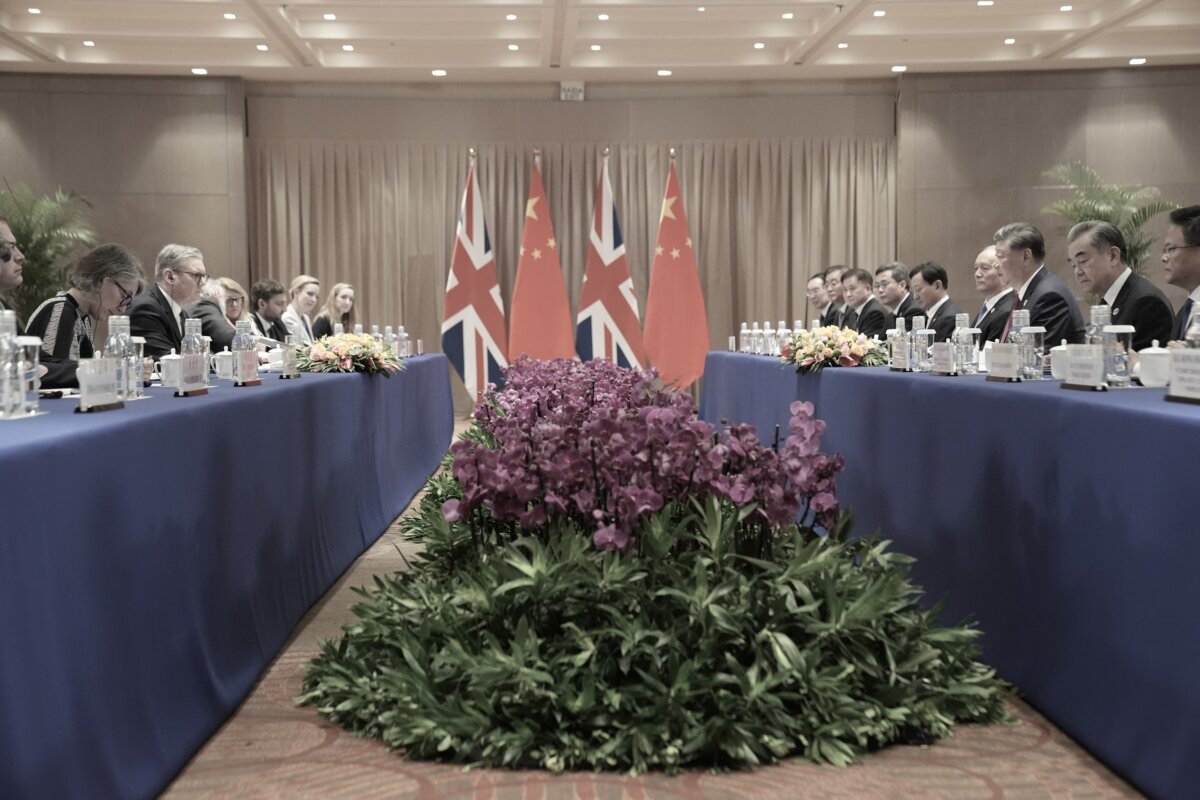
Two weeks prior to the release of the ISC report, British Prime Minister Keir Starmer gave a speech at the annual Lady Mayor’s Banquet at the Guildhall in London on Dec. 1. He said that China poses “national security threats” to Britain, but defended his government’s decision to increase engagement with the Chinese regime, saying closer business ties are in the national interest.
As to the UK’s future China policy, Starmer said: “It’s time for a serious approach, to reject the simplistic binary choice, neither golden age nor ice age, and recognize the plain fact that you can work and trade with a country while still protecting yourself.”
Regarding Starmer’s remarks, Sun Kuo-hsiang, a professor of international affairs and business at Nanhua University in Taiwan, told The Epoch Times on Dec. 17, “That framing points to a government trying to ring-fence high-risk sectors while keeping trade [and] investment channels open in lower-risk areas.”
Chung Chih-tung, associate research fellow at Taiwan’s Institute for National Defense and Security Research, told The Epoch Times on Dec. 18 that Starmer stressed the security priority and said he “hoped to have more cooperation with China on economic issues, rather than being influenced by political factors.”
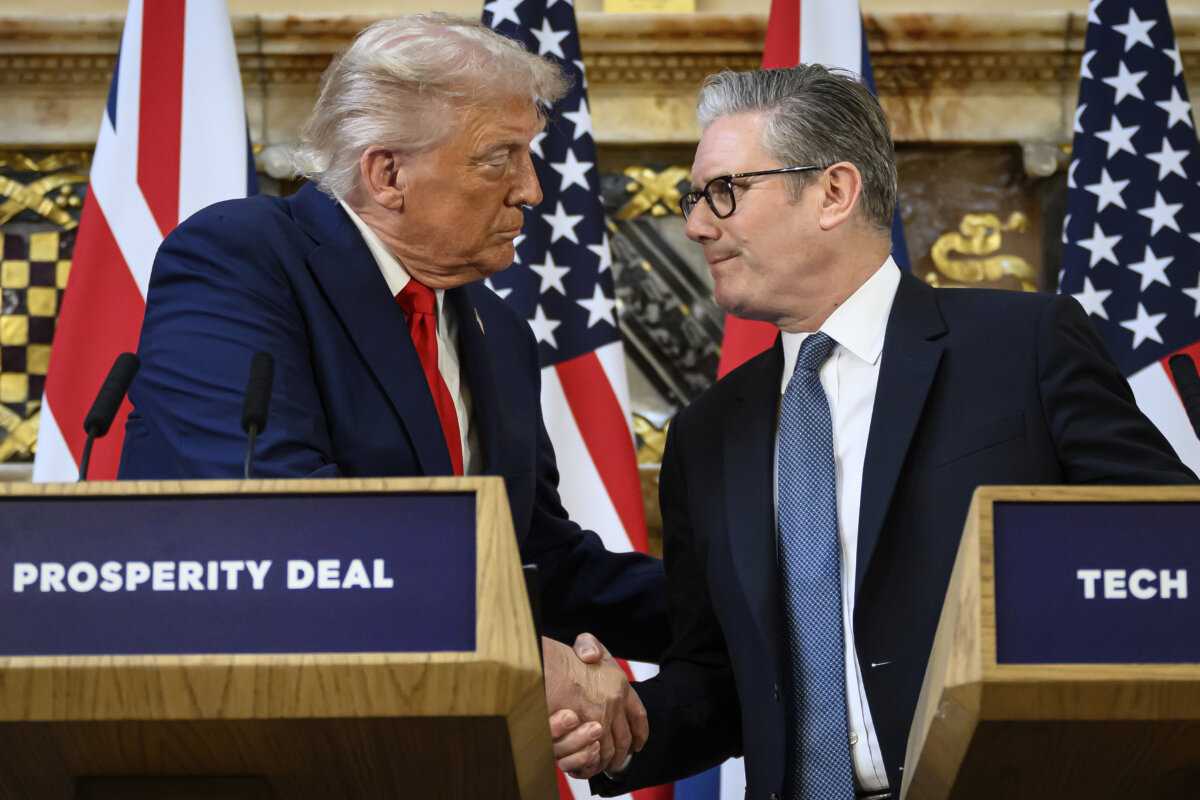
Starmer has emphasized the importance of maintaining a close relationship with the Trump administration, which is the “special relationship” between the two nations that share mutual economic and security interests, Chung noted.
Chung noted that President Donald Trump currently holds “a relatively friendly attitude” towards China, adding that in the Trump administration’s National Security Report, the advice given on dealing with China is mainly on economic and trade issues.
“It’s unlike in the past, when China was positioned as a challenger to the United States’ national security,” Chung said. “Therefore, it is expected that the UK will also adopt this approach.”
Sun shares a similar assessment that the Starmer government’s China policy is expected to be “a calibrated, ‘managed engagement’ adjustment rather than a full pivot to blanket confrontation.”
As to the ISC report, which calls on the UK government to make swift changes to prioritize security over economic interest, Sun said, “It shows a stronger, more mainstream push inside the UK security-and-oversight ecosystem to treat China as a priority national security challenge.”
Sun predicted that the UK’s policy towards the Chinese communist regime will be “likely tougher in security enforcement and economic security tools, not necessarily tougher across the board,” given the British government’s recent moves and pressures, including “UK sanctions on China-based firms over cyber activity, and an increasingly loud parliamentary push warning the government against letting economic interests outrank security.”
A UK government spokesperson said of the ISC report, “National security is the first duty of this government. We value the ISC’s independent oversight and the thoroughness of their scrutiny.
“This report underscores the vital, complex work our agencies undertake daily to protect the UK,” the spokesperson said. “This government is taking a consistent, long-term and strategic approach to managing the UK’s relations with China, rooted in UK and global interests.”
Meanwhile, the UK’s new Chief of the Defense Richard Knighton warned in a speech at the Royal United Services Institute on Dec. 15 that more Britons must be “ready to fight for their country” due to what he described as an increasingly dangerous global situation.
Luo Ya and Reuters contributed to this report.
 Friends Read Free
Copy
Facebook
Tweet
Friends Read Free
Copy
Facebook
Tweet