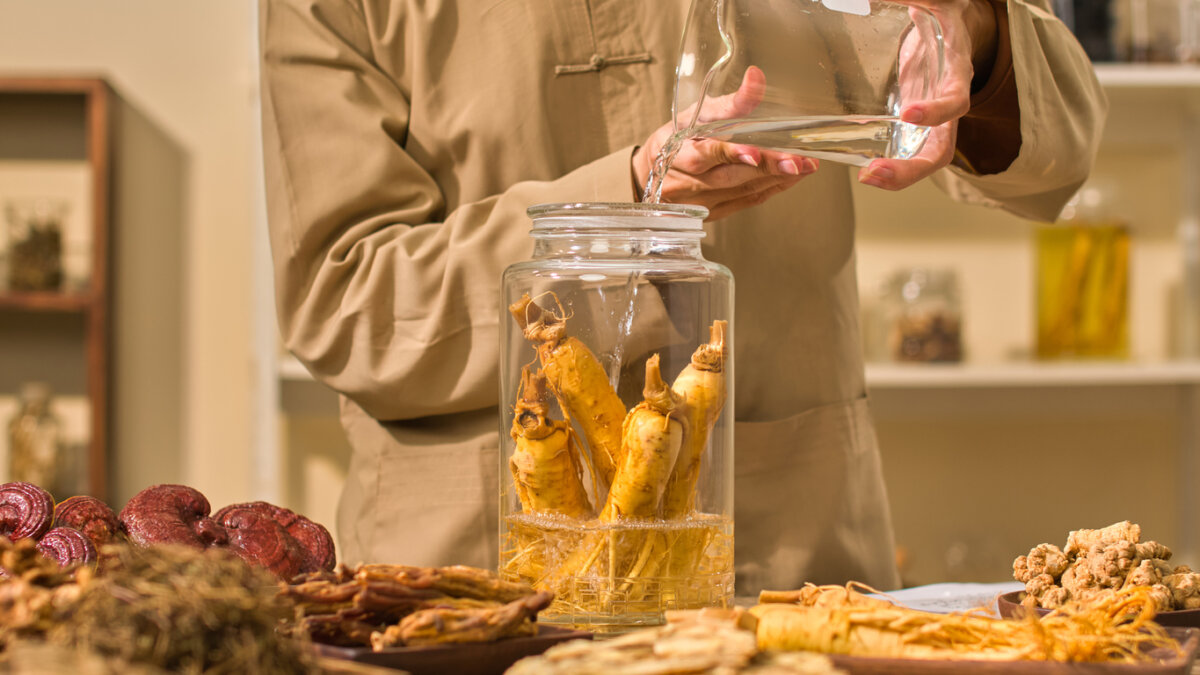

Most of us couldn’t last a week without a refrigerator—but our ancestors easily did.
A hundred years ago, your great-grandparents wouldn’t have panicked if the power went out.
They knew how to make food last for months—without a fridge, freezer, or a single chemical preservative.
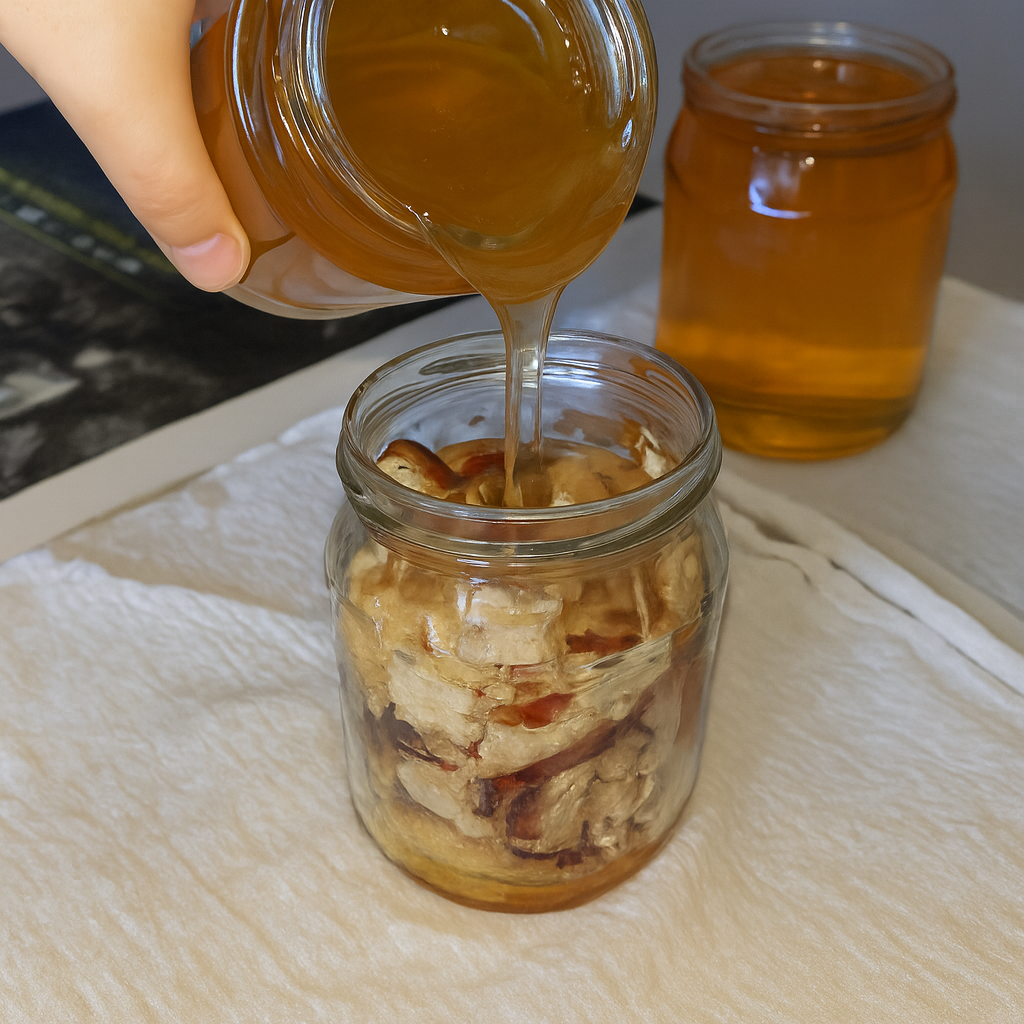
That kind of self-reliance has mostly been forgotten today, but recently there’s been a big increase in families wanting to learn old-school preservation techniques.
It’s not necessarily because they think the world’s ending, but because it’s highly useful to know how to do some of the things our ancestors did.
Survival enthusiast Claude Davis put together a book called “The Lost SuperFoods,“ a fascinating collection of 126 recipes of nourishing survival foods that kept families fed through harsh winters and long voyages.
You can view it as a cookbook of forgotten recipes that people used before refrigeration.
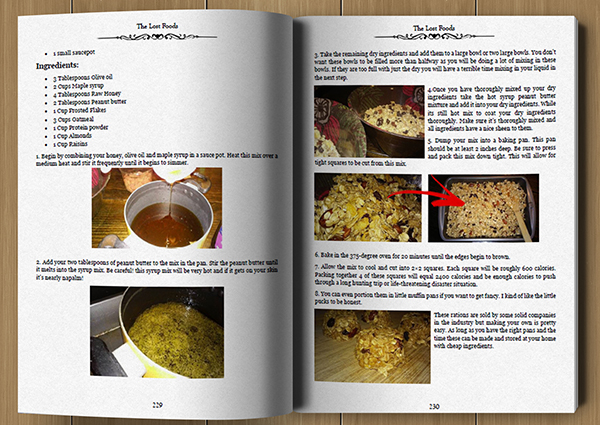
(Source: The Lost SuperFoods)
Why Your Great-Great-Grandmother Was More Independent Than You
Here’s something astonishing to think about.
Your great-great-grandmother could probably feed her family for months without going to any store.
It’s not because she was some hard-core survivalist, it’s because that’s just the way normal families were 150 years ago.
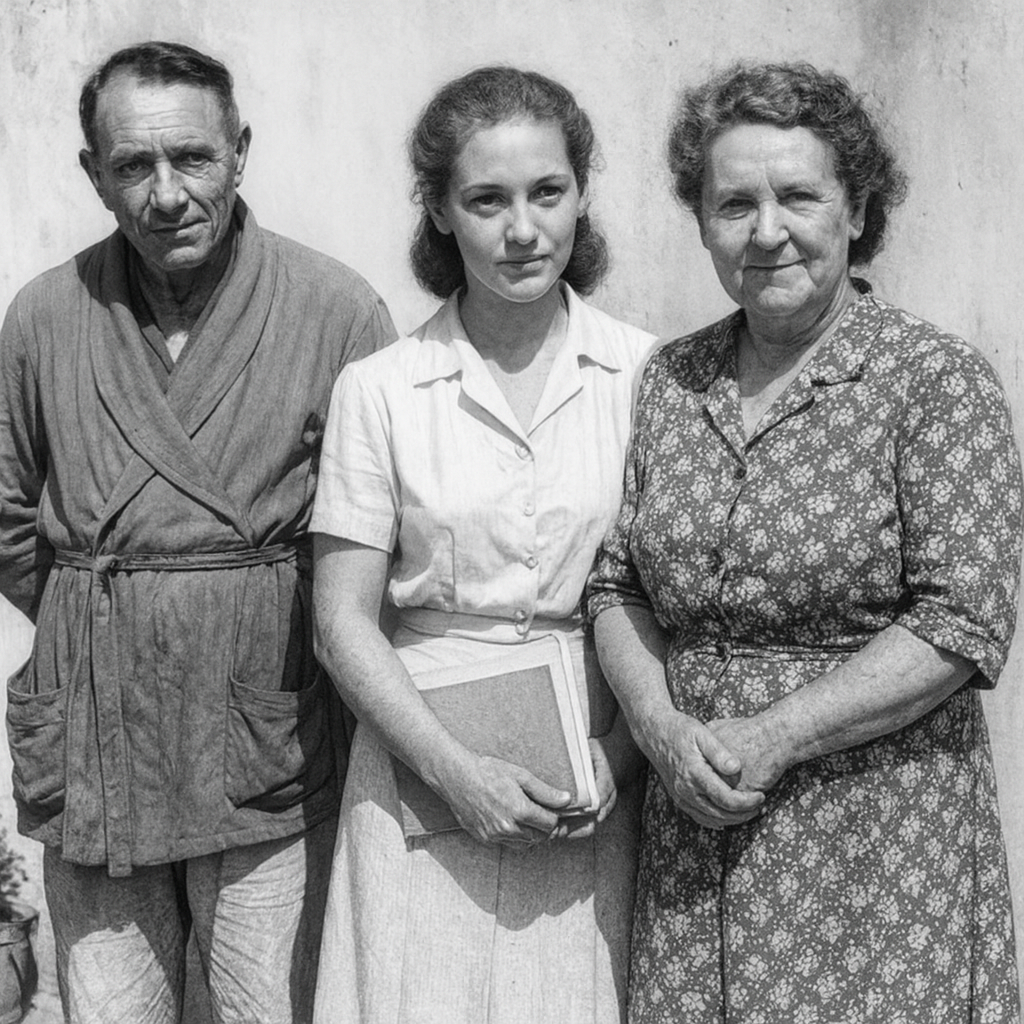
They preserved meat that could last through rough environments, made cheese that sat on shelves for years, and ferment vegetables that stayed fresh longer than the stuff in your fridge right now.
They weren’t planning for some major emergency—this was just a regular Tuesday for them.
The Foods That Lasted Decades (Without a Single Chemical Preservative)
The recipes Davis covers in his book are not only useful but also very interesting.
The US Doomsday Ration was a secret military food developed during the Cold War that was supposed to feed the entire American population if things went nuclear.
The government spent millions developing it, but you can literally make it at home for practically nothing (37 cents a day). And once you make a batch, it basically lasts forever.
Another technique covered is the Viking preservation method, which kept Norse explorers thriving during their months-long ocean trips. The interesting part of this method is that their food, much like wine, got better with age.
With all the methods covered in Davis’s book, there are no chemicals, no preservatives, and no refrigeration required.
Why This Matters for Regular Families Today
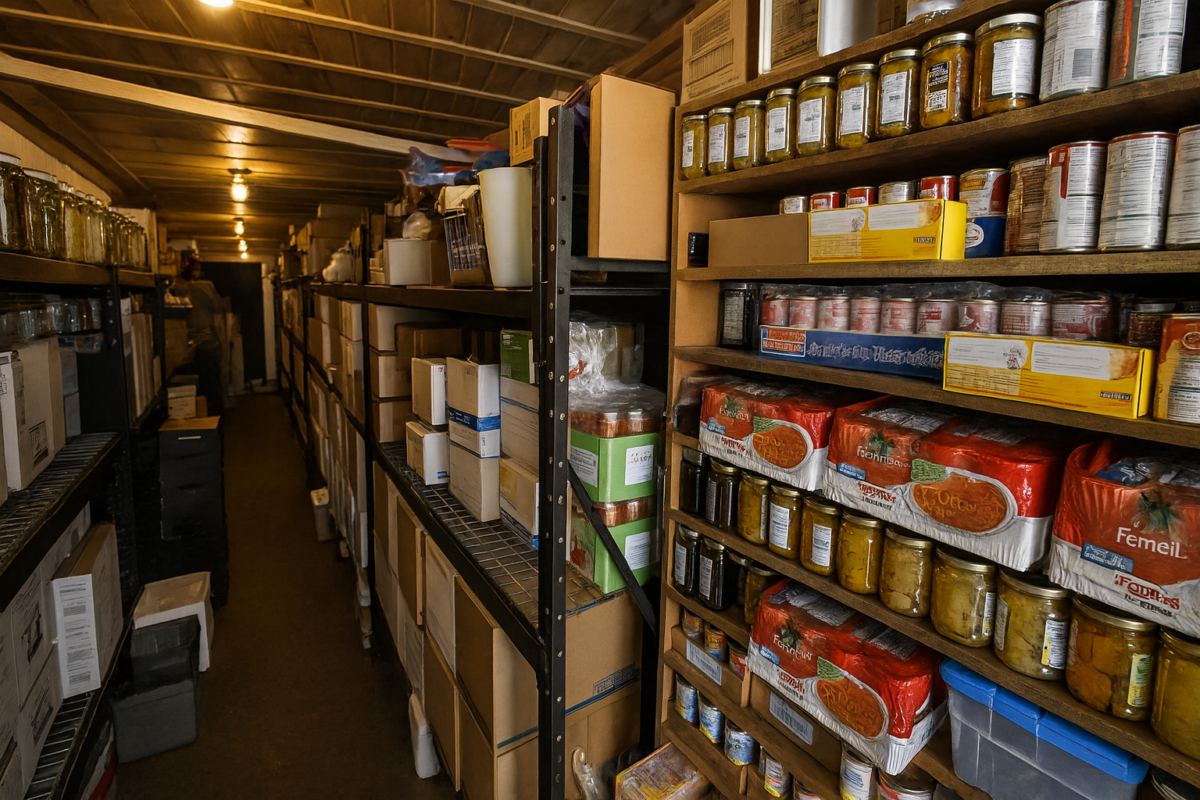
It is true that food prices have increased a lot over the past few years due to inflation and supply chain disruptions. While some families are learning these skills to prepare for an emergency, most people are learning them for health, convenience, and general self-reliance.
There’s something liberating about not having to heavily rely on others for your food. It’s also quite appealing to be able to store food without any of the harsh chemicals found on food labels today (most of which we don’t even know how to pronounce).
Inside ‘The Lost SuperFoods’—What You Actually Get
Davis’s book isn’t your typical cookbook or survival manual.
It’s more like a historical cookbook with 270 pages of forgotten recipes and the stories behind them. Each recipe comes with clear step-by-step instructions using modern ingredients and tools, plus the historical context behind these foods.
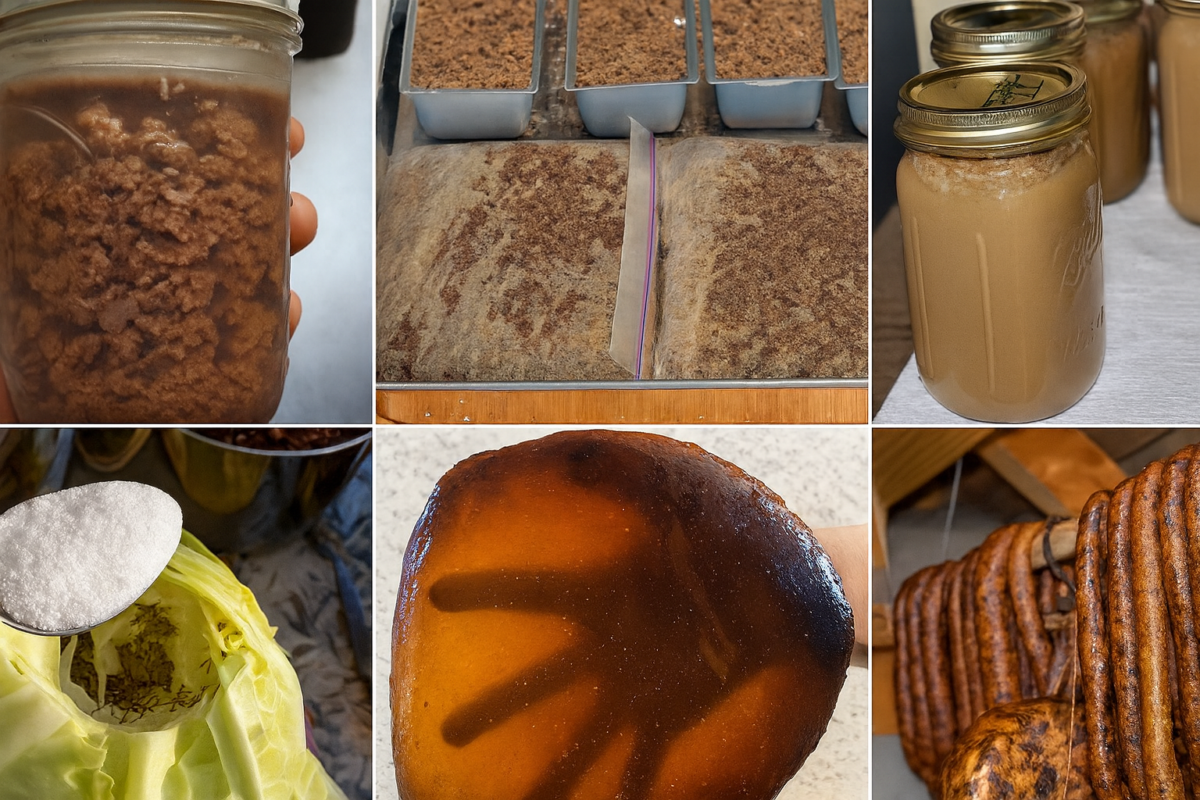
Some of the things you’ll discover how to make:
→ The portable soup that saved Lewis and Clark’s expedition—it looks weird but lasts forever in your coat pocket.
→ The “life bar” that provides 2,400 calories in one serving (Davis feeds his family of four for 3 weeks with a $100 batch).
→ The Mongolian dairy preservation technique that nomadic herders used to survive harsh winters.
→ The cheese preservation method from the 14th century Dutch that keeps any cheese good at room temperature for over two years.
The book includes the nutritional values for each food, so you know roughly how many calories and macronutrients you’re getting.
You’ll also get a cheat sheet of various storage hacks, foods to dehydrate, and even serious mistakes you want to avoid in preserving food.
Getting Started With Ancient Food Skills
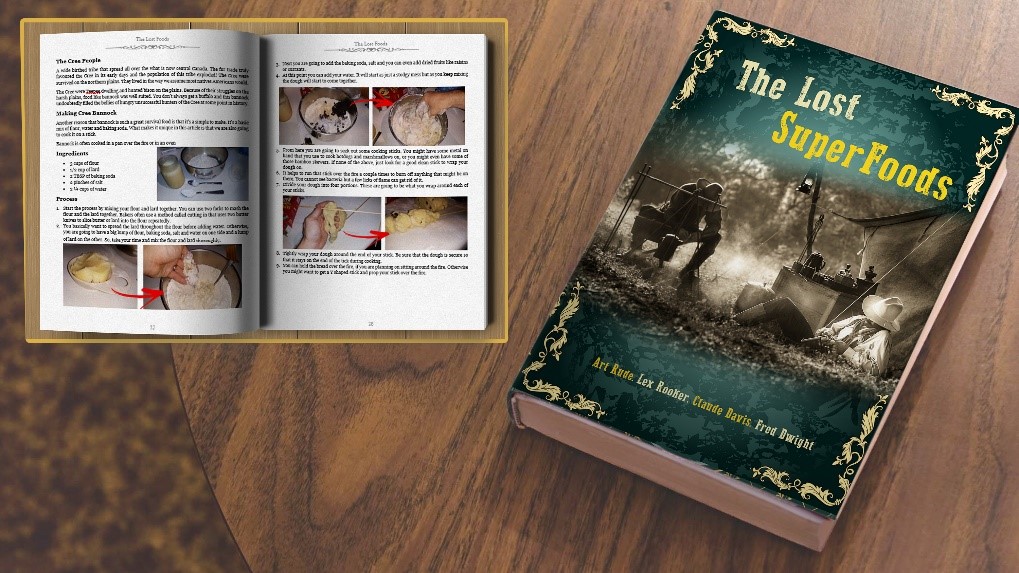
For those who are curious about learning these time-tested preservation methods, “The Lost SuperFoods“ is an invaluable resource. Unlike typical survival manuals that focus on worst-case scenarios, this feels more like discovering a useful family cookbook that got lost in your grandmother’s attic.
The 270-page book walks you through each technique with clear, step-by-step instructions using ingredients you can find at any grocery store. You’re not hunting for obscure materials or needing special equipment—these methods were designed to work with basic household tools.
Davis is so confident you’ll enjoy “The Lost SuperFoods” that the book comes with a 60-day money-back guarantee, giving you plenty of time to try several techniques and see if they work for your family. At just $37, it costs much less than going out for a family meal at a restaurant.

And when you order through our link, you’ll also receive two free digital bonuses valued at $27 each: An Underground Year-Round Greenhouse in Your Backyard and Projects From 1900 That Will Help You in the Next Crisis. These guides build on the same theme of self-reliance found in “The Lost SuperFoods,” teaching practical ways to grow food year-round and use old-fashioned methods to stay prepared.
Whether you start with something simple like the Dutch cheese preservation method or work up to making your own version of Lewis and Clark’s portable soup, you’ll be learning skills that connect you directly to generations of knowledge that somehow got lost along the way.
 Friends Read Free
Copy
Facebook
Tweet
Friends Read Free
Copy
Facebook
Tweet