
Sponsored Content by The Healthy Back Institute. This article includes affiliate links, which may earn us a commission, to support truthful and independent journalism (at no extra cost to you).
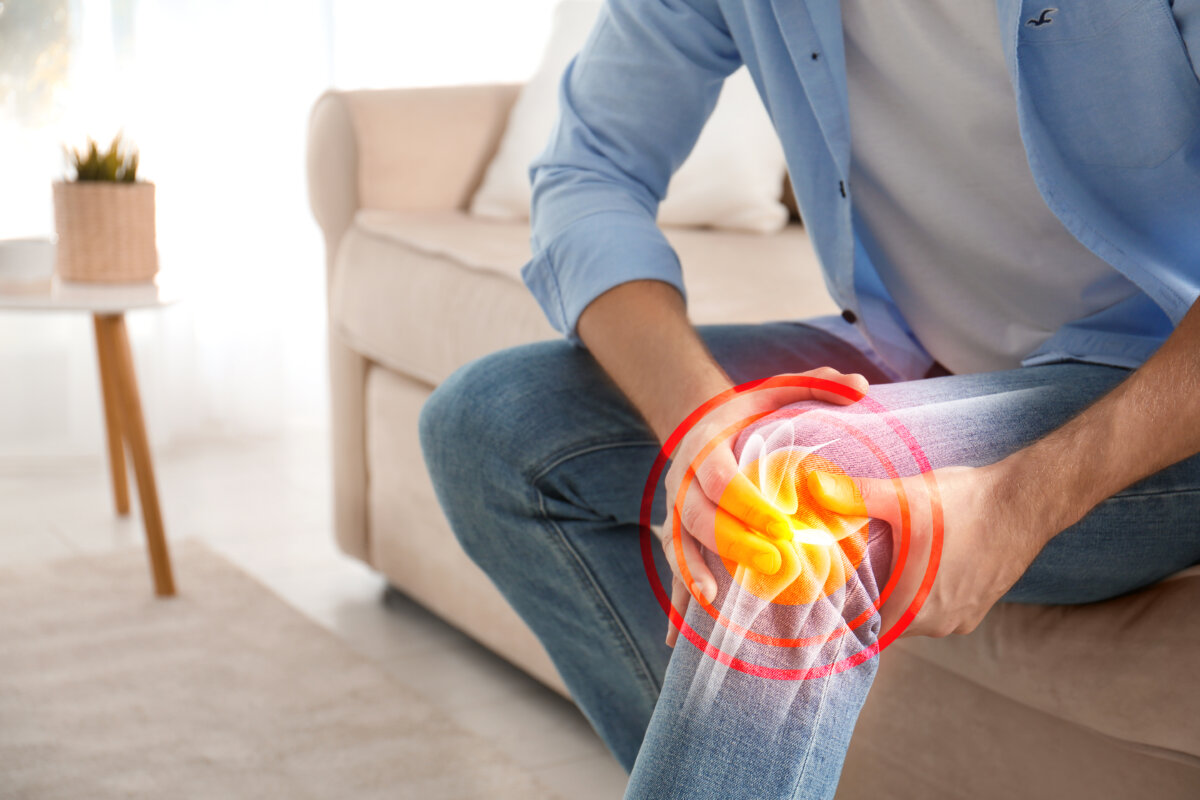
If you’ve been dealing with joint pain for a while, you’ve probably noticed a very frustrating cycle.
Traditional pain relievers work… for a bit.
Then the pain comes back, often worse than before. You try increasing the dose or switch to a different medication, but you never get lasting relief.
What if the problem isn’t that you need stronger (or different) medication?
What if you’ve just been addressing the symptoms, and not the real source of the problem?
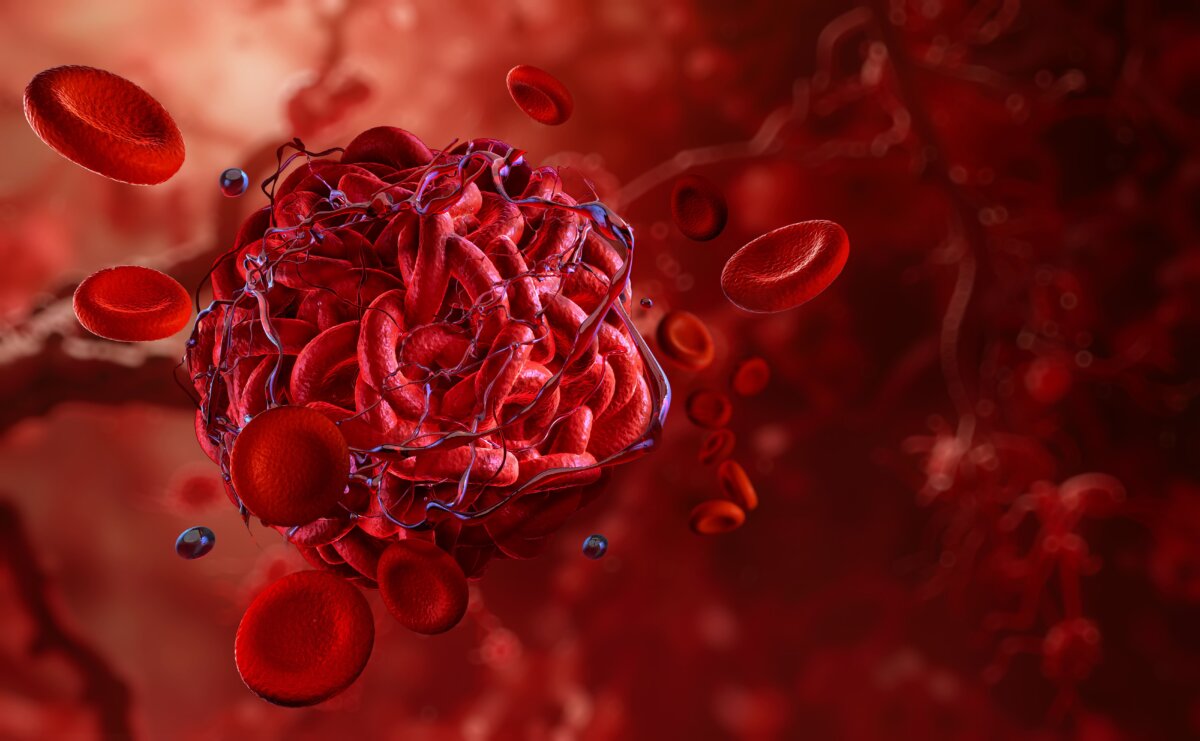
Recent research suggests chronic joint pain isn’t only about inflammation, it may also involve a buildup of certain proteins and scar tissue around your joints that can make discomfort worse.
Fortunately, there’s a natural approach that’s been used safely for decades in European and Japanese cultures to support joint health and ease inflammation.
Why Your Joint Pain Keeps Coming Back
A new contributor to chronic joint pain that has come to light is fibrin buildup, a sticky protein your body uses to heal injuries.
Normally your body clears this protein once healing is done, but with age, extra fibrin can linger and make inflammation worse.
Scientists have found that fibrin deposits can collect around joints and worsen stiffness and swelling.¹²³
The Missing Link in Pain Relief
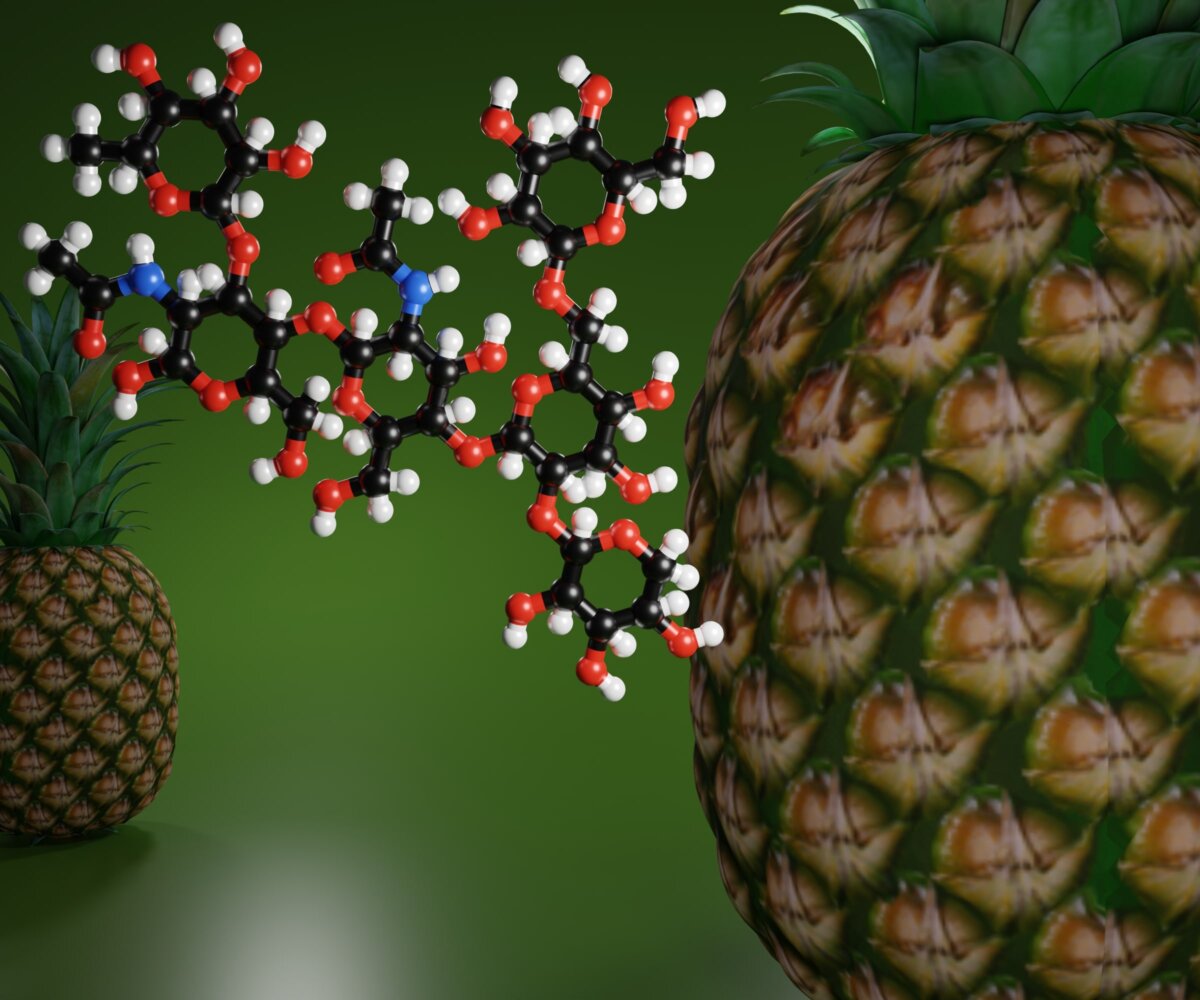
A potential solution lies in proteolytic enzymes, specialized proteins that help your body break down unwanted proteins, including fibrin.⁴
Your body naturally produces these enzymes when you’re young, but production can decline over time which is why supplementation may help some people.
Dr. Brian Paris, a chiropractor with a doctorate from Life University in Georgia, spent years studying why some natural pain relief approaches worked while others failed.
In response to this problem, he developed Heal-n-Soothe, a natural pain relief supplement that combines multiple approaches in one formula.
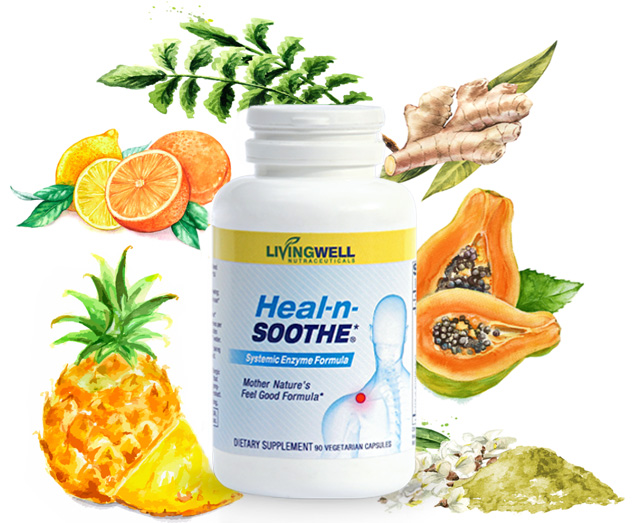
The core ingredients include several proteolytic enzymes like bromelain (from pineapple) and papain (from papaya), which have been studied for their ability to ease joint discomfort and inflammation naturally.⁵
These are combined with anti-inflammatory herbs such as turmeric, boswellia, ginger, and devil’s claw to target pain and inflammation through different pathways.
Proteolytic enzyme blends have been used in Europe and Asia for decades, and some research shows these formulas can perform about as well as common pain meds.⁶⁷
Despite this, the enzyme-based approach is still mostly overlooked in North America.

Getting Your First Bottle for Free
Here’s where things get interesting.
Dr. Paris created a detailed video presentation diving deep into fibrin buildup and how systemic enzymes address it.
The presentation can’t be skipped through—you need to watch through to the 18-minute mark where he reveals something most people don’t know about Heal-n-Soothe.
He offers something you won’t find anywhere else…
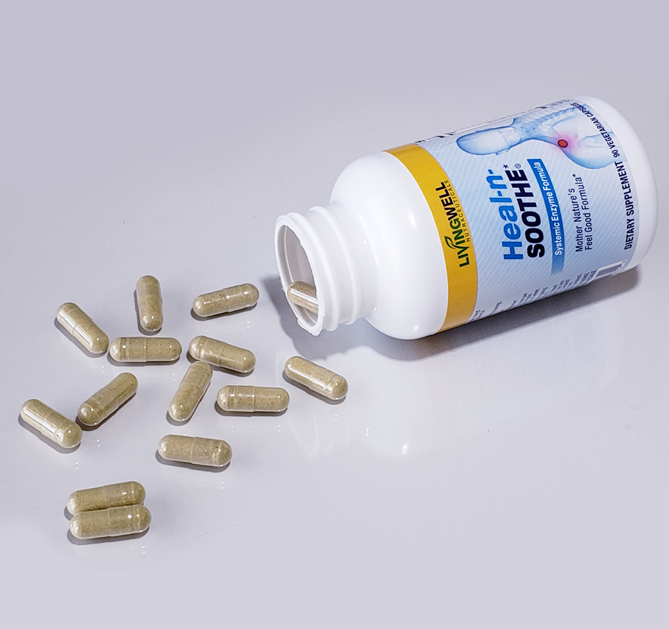
Instead of paying the full retail price of $69.95, you can get your first bottle for free, you just cover $19.95 shipping cost.
This is a 60-capsule bottle— a full 3-week supply to properly evaluate how systemic enzymes work for your situation.
If you continue after trying your first bottle, future orders are $49.95 instead of the regular $69.95 retail price.
Dr. Paris structures it this way to ensure people understand exactly how and why systemic enzymes work before trying them.
Real Results from Real People

The feedback from verified users tells a compelling story on how Heal-n-Soothe has helped people dealing with chronic pain..
Gerard Belanger, a retired Canadian farm worker, returned to physical labour: “I started Heal-Soothe at six a day for a week, am down to three a day. It’s like a wish come true. I put in ten hour days at the farm ‘WITHOUT a whole lot of PAIN’.”
Kaye Whitlock, a stay-at-home mom who’d endured 14 surgeries over 31 years, tried Heal-n-Soothe after her doctor doubled her NSAID dosage with little improvement “I have now been taking Heal-n-Soothe for 30 days, and I feel the same as I did while taking the double dosage,” she said. I have hope that after more time I will feel even better.”
These aren’t isolated cases. The product has maintained strong customer satisfaction for more than 15 years.
Is Heal-N-Soothe Right For You?
Heal-n-Soothe works best for people dealing with ongoing joint pain who want to target the root cause.
It also could be beneficial for people who would prefer to not take NSAIDs or prescription opiates for managing pain.
The enzyme approach works gradually: research shows it can take a few days or even weeks before some people may notice results.⁸
However, you shouldn’t take Heal-n-Soothe if you’re on prescription blood thinners, have ulcers, are pregnant or nursing, or are allergic to pineapple or papaya.
Dr. Paris offers a 90-day money-back guarantee. If you don’t experience the results you were expecting, you can return even empty bottles for a full refund.
For people who’ve tried multiple approaches without long-term relief, proteolytic enzymes represent a completely different strategy. Rather than masking pain signals, it aims to address the underlying cause of chronic discomfort.
Watch Dr. Paris’ Presentation Now.
Note: Research on proteolytic enzymes for joint pain is still developing. Always talk with your doctor before using supplements, especially if you take blood thinners or have health conditions.⁹
Sources:
The following studies are provided for general informational purposes and are not specific to Heal-n-Soothe.
¹ Flick MJ, LaJeunesse CM, et al. Fibrin(ogen) exacerbates inflammatory joint disease. J Clin Invest. 2007;117(11):3224–3235.
https://pmc.ncbi.nlm.nih.gov/articles/PMC2000806/
² Yoshitomi H, et al. Fibrin deposition associates with cartilage degeneration in arthritis. Front Immunol. 2022;13:913209.
https://pmc.ncbi.nlm.nih.gov/articles/PMC9163430/
³ Fibrin deposition associates with cartilage degeneration in arthritis (research summary).
https://www.researchgate.net/publication/360993367_Fibrin_deposition_associates_with_cartilage_degeneration_in_arthritis
⁴ Rucigaj TP. Proteolytic enzymes in wound healing: the role of enzymatic debridement. Acta Dermatovenerol Alp Pannonica Adriat. 1994;3(4):109–114.
https://pubmed.ncbi.nlm.nih.gov/7998898/
⁵ Brien S, et al. Bromelain as a treatment for osteoarthritis: a review of clinical studies. Evid Based Complement Alternat Med. 2004;1(3):251–257.
https://pmc.ncbi.nlm.nih.gov/articles/PMC538506/
⁶ Kamen P, et al. Combination of enzymes and rutin to manage pain in osteoarthritis. Biomedicines. 2022;10(9):2163.
https://pmc.ncbi.nlm.nih.gov/articles/PMC9510077/
⁷ Bolten WW, et al. Efficacy and safety of enzyme therapy compared to diclofenac in osteoarthritis of the knee: a randomized, double-blind trial. Arthritis. 2015;2015:251521.
https://onlinelibrary.wiley.com/doi/10.1155/2015/251521
⁸ Proteolytic enzymes for arthritis pain: Do they help? Medical News Today.
https://www.medicalnewstoday.com/articles/proteolytic-enzymes-arthritis
⁹ Broughton KS. Over-the-counter enzyme supplements: what a clinician should know. Mayo Clin Proc. 2014;89(12):1683–1688.
https://www.mayoclinicproceedings.org/article/S0025-6196(14)00520-5/fulltext
Disclaimers:
| †These statements have not been evaluated by the Food and Drug Administration. This product is not intended to diagnose, treat, cure, or prevent any disease. |
 Friends Read Free
Copy
Facebook
Tweet
Friends Read Free
Copy
Facebook
Tweet