
Commentary
Prime Minister Mark Carney has a diverse mandate to pursue as he had campaigned on taking a markedly different direction in governance from his predecessor, Justin Trudeau. Carney’s promises to undo many of the Liberal initiatives, from the consumer carbon tax to the mass immigration levels, resonated with Canadians and helped him turn the party’s fortunes from what appeared to be a certain electoral blowout to nearly winning a majority government. The promises have also left the Liberals with some serious budgetary challenges.
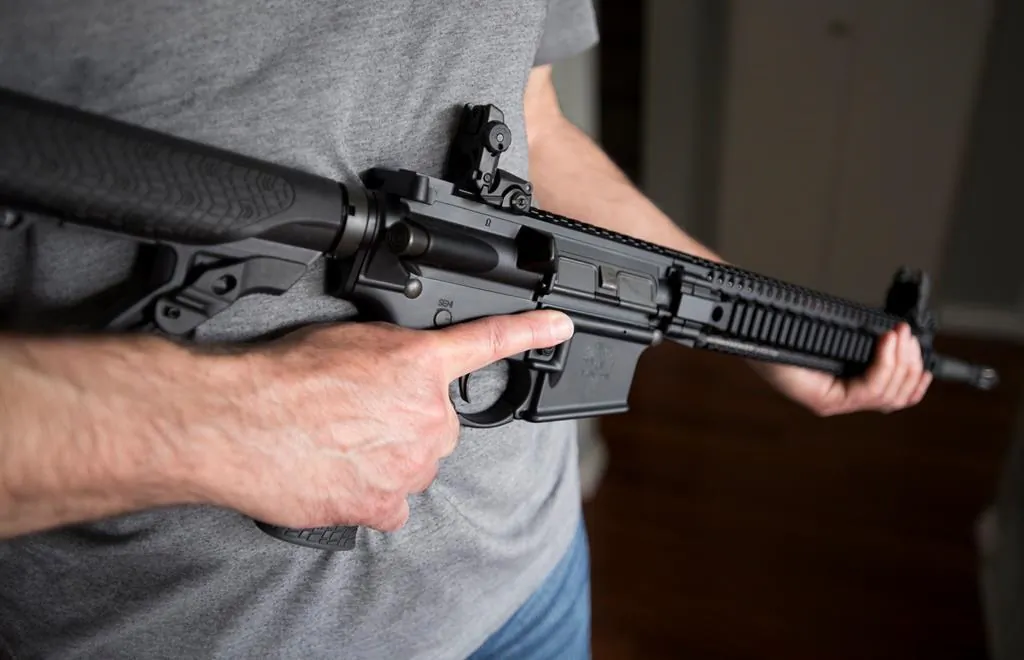
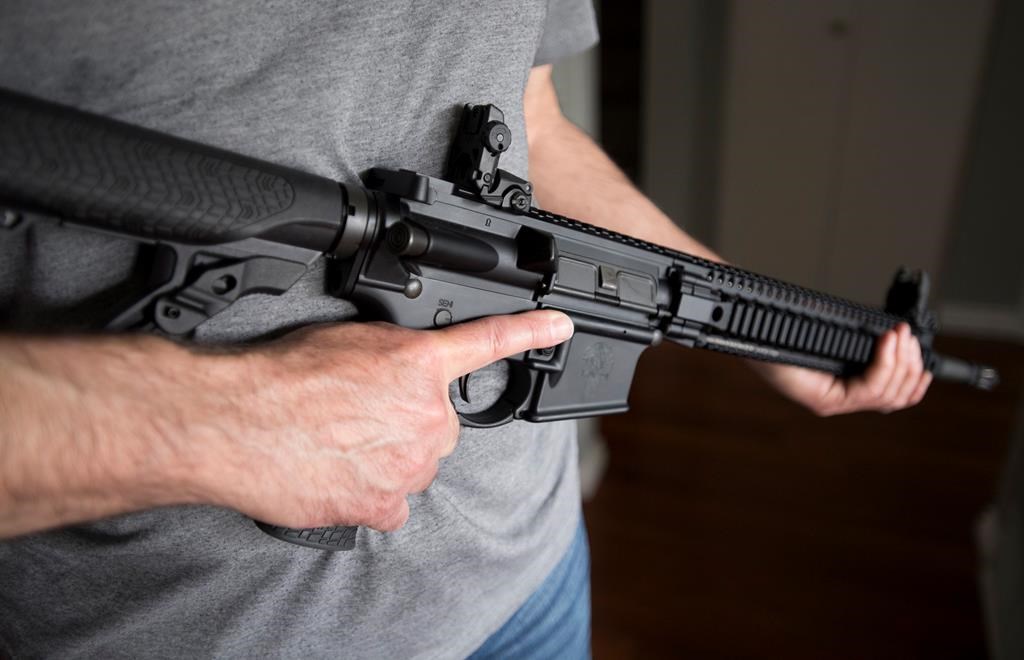
Though Carney never promised to do so, he should consider quietly dropping the firearm ban and buyback program. It is ill-conceived and has the potential to turn into a costly boondoggle with little impact on crime or public safety. Testifying at the Senate national finance committee, director general with the public safety department Marcia Jones said the estimated cost for the firearm buyback will be $342.6 million. Jones admitted that the cost estimates were rough as they were based on data from the long gun registry, which was discontinued in 2012.
Sen. Claude Carignan expressed concerns, considering the data from the former registry was supposed to be destroyed in 2012. How then is the public safety department getting those figures?
Aside from the questionable status of the data collected in the former registry is the accuracy of the data. The long gun registry created in 1995 by the Chrétien government was a disaster by every measure. The registry was supposed to cost $2 million, but the costs ballooned over a thousandfold to over $2.7 billion by the time Stephen Harper put it to rest.
The RCMP found the firearms registry to be inaccurate, with error rates between 45 percent and 90 percent in firearms applications and registry information. An Access to Information request discovered that 4,438 stolen firearms had been successfully re-registered without alerting authorities, the National Post reported. Even if the data still exists and the government has access to it, it is nearly useless in trying to figure out where firearms are today. They need to start from scratch in determining who owns the newly prohibited firearms.
Canada has the seventh most-armed civilian population on Earth. It’s estimated that 26 percent of Canadian households contain firearms. Despite having millions of firearms among us, the number of mass shootings or crimes in general committed by legally owned firearms is relatively low. The American issues with firearm crime have more to do with social and cultural challenges than the firearms themselves. Finland and Iceland have comparable numbers of firearms per capita to Canada, and both countries have low violent crime rates.
The banning of “assault-style” firearms in Canada is a solution looking for a problem. It was a reactionary response to the horrific mass shooting in Nova Scotia in 2020. Gabriel Wortman committed his crimes with stolen and smuggled firearms. The new firearm bans would have had no impact on his actions had they been imposed in 2019.
Toronto has been experiencing a surge in violent crimes committed with firearms. Police have reported that as many as 88 percent of the firearms used in the commission of those crimes had been smuggled into Canada from the United States. Police chiefs have also stated that handgun bans do not stem gun violence. The people with boots on the ground are trying to tell the government what’s needed, but it has been falling on deaf ears. The Liberals have had an ideological fixation on targeting legal firearm owners for decades, and they stubbornly won’t back away from it.
How many RCMP officers will be tied up trying to find and seize firearms from owners not complying with the bans? Will the cost to buy back the firearms from compliant owners only be in the hundreds of millions? How big will the bureaucracy grow as the government tries to manage a program impacting a quarter of the households in the country?
Rising crime has been a growing concern for citizens, and it came up during the federal election. The Liberals campaigned on getting tougher with bail reform and car thefts. They were vague on specifics, though.
The Carney government has an opportunity to take a pragmatic approach to battling violent crimes while saving funds and government resources in general. By dropping the firearm bans and gun buyback scheme, the feds could free up policing and court resources to deal with more pressing crimes. Investments in border control, policing, and mental health resources will have a measurable impact on violent crime prevention. It would take a shift from ideology-based policy to results-based policy on crime, but it would be worth it for both the government and citizens.
With so much else on the government’s plate right now, the reversal of firearm bans would hardly be noticed.
Views expressed in this article are the opinions of the author and do not necessarily reflect the views of The Epoch Times.
 Friends Read Free
Copy
Facebook
Tweet
Friends Read Free
Copy
Facebook
Tweet