
Commentary
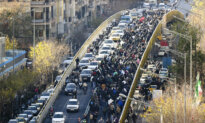
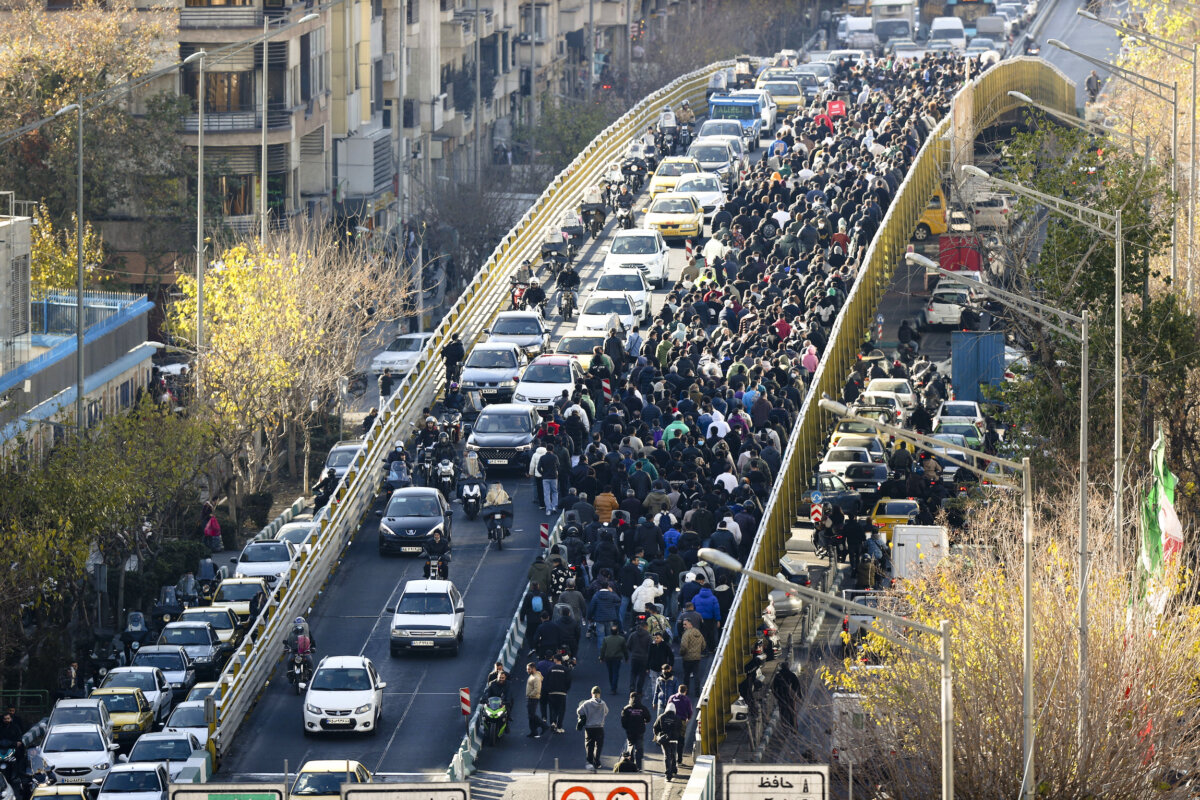
The streets of Iran are once again filled with anger, grief, and bloodshed. What began as economic protests over a collapsing currency and runaway inflation has turned violent, with demonstrators killed and the regime signalling that repression, not reform, will be its response. This is not a sudden crisis. It is the predictable consequence of a system that long ago exhausted every source of legitimacy except fear.
Canada should not treat these events as distant unrest in a complicated region. Iran is not merely another troubled state. It is a revolutionary theocracy that combines domestic repression with external aggression, and it has done so consistently for decades. When Iranians protest soaring food prices, the collapse of the rial, or the simple inability to live with dignity, they are confronting a regime whose first instinct is always coercion. The question for Canada is not whether we can fix Iran. It is whether we are willing to speak clearly about what is happening and align our policies accordingly.
The Islamic Republic is under extraordinary strain. Sanctions, economic mismanagement, and ideological rigidity have hollowed out the country’s productive capacity. Inflation has reached levels that make daily life untenable. The currency has lost more than half its value in a matter of months. In parallel, the regime has intensified executions and repression, not as a deviation from past practice, but as a governing strategy. This is how authoritarian systems behave when legitimacy collapses: They narrow the circle of power and expand the use of force.
Canada’s response to this reality has been cautious to the point of irrelevance. Official statements express concern and reaffirm abstract commitments to human rights, but they stop short of naming the nature of the regime or the scale of the abuse. That approach is no longer defensible. Moral clarity is not a luxury in foreign policy. It is a strategic asset that shapes credibility with allies and signals seriousness to adversaries.
What is required now is clarity in language and purpose. These protests are not isolated economic disturbances. They are the outcome of systemic failure by a regime that prioritizes ideological conformity, internal repression, and regional confrontation over the welfare of its own people. Pretending otherwise delays accountability and rewards intransigence.
Canada should make its alignment unmistakable by standing with the Iranian people rather than the Iranian state. That means expanding targeted sanctions against individuals and institutions responsible for repression, including security services and judicial actors overseeing mass executions. It also requires close coordination with allies so that sanctions are enforced rigorously rather than applied symbolically. Measures that are porous or inconsistently applied prolong suffering without creating meaningful leverage.
Diplomacy should not be confused with rhetorical neutrality. When protesters are killed and executions are used to intimidate society into silence, words matter. Canada has influence in multilateral institutions and should use it to document abuses, support international investigations, and resist normalization efforts that bypass accountability. Engagement without conditions does not moderate such regimes. It entrenches them.
The security implications extend beyond Iran’s borders. Internal repression and external aggression are two sides of the same coin. A regime that survives by force at home will export instability abroad. Canada’s interests, and those of its allies, are not served by a nuclear-armed theocracy facing internal collapse and governed by ideological rigidity. Economic desperation combined with revolutionary dogma is a volatile mix.
Foreign policy ultimately reflects national character. How Canada responds to Iran will signal whether our commitment to human dignity and the rule of law is enduring or situational. The Iranian people are not asking for intervention or imposed solutions. They are asking not to be forgotten, euphemized, or traded away for diplomatic convenience.
Iran is burning because its rulers have chosen repression over reform for a generation. Canada cannot extinguish that fire. But we can decide whether we stand with those trapped inside it, or with the comfortable fiction that this is someone else’s problem.
History will judge that choice.
Views expressed in this article are the opinions of the author and do not necessarily reflect the views of The Epoch Times.
 Friends Read Free
Copy
Facebook
Tweet
Friends Read Free
Copy
Facebook
Tweet