This article was updated on July 14, 2025, based on significant revisions submitted by the author. These changes include updates to tone, evidence, and argumentation to clarify the author’s intent and to improve the article’s objectivity and impact.
Commentary
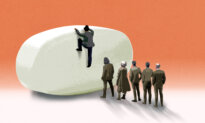
Medical education once trained doctors to think like detectives, piecing together clues from a patient’s story, symptoms, and unique circumstances. It taught them to sit with uncertainty, ask tough questions, and see the person behind the illness. Today, it’s at risk of churning out technicians who follow checklists instead of their instincts. The culprit? A growing obsession with standardized protocols that’s turning medicine into a paint-by-numbers exercise.
This is the quiet corruption of medical education: the slow erosion of the physician as healer. Protocols—those step-by-step guidelines for everything from prescribing antibiotics to managing heart disease—were meant to make care safer and more consistent. They can help, especially in a crisis. But somewhere along the way, they went from being tools to being the boss. A push for standardization, kickstarted by efforts to improve healthcare quality in the late 1990s, has made protocols the backbone of medical practice. Hospitals, insurers, and government agencies now lean on them to measure performance, decide payments, and enforce rules.
Medical schools have followed suit. Instead of teaching students to wrestle with complex cases or challenge assumptions, many curricula now drill them on following algorithms. Students learn to tick boxes for conditions like diabetes or infections but aren’t always encouraged to ask, “Does this make sense for this patient?” The classroom, once a place for debate and discovery, feels more like a training ground for compliance.
This over-reliance on protocols risks producing doctors who are great at following orders but lost when the script runs out.
Why is this happening? It’s largely about money and control. Healthcare systems and insurers love protocols because they’re predictable and easy to measure. Payment systems reward doctors for sticking to guidelines, even when bending the rules might better serve a patient. Medical schools, too, are caught in this web. Many rely on funding tied to “quality” metrics, which often mean protocol adherence. Professors, pressed to meet these expectations, teach students to play by the book rather than think outside it.
In this world, straying from the guideline isn’t seen as judgment—it’s a mistake.
The fallout is hard to ignore. First, it’s eroding the art of medicine. Doctors trained to follow protocols may hesitate to trust their gut when a patient doesn’t fit the mold. A rigid guideline might push antibiotics for an infection that needs a different approach or limit pain relief for someone in agony. Patients stop feeling like individuals and start feeling like data points.
Empathy takes a hit, too. Listening to a patient’s fears or hopes doesn’t fit neatly into a flowchart, so it gets sidelined. Yet we all know a doctor’s compassion can make as much difference as their prescription pad. When medicine becomes mechanical, that human connection fades, and patients notice.
Worst of all, this approach stifles the curiosity that drives medical progress. If doctors are trained to follow protocols without question, who will challenge outdated practices or dream up new treatments? A 2014 editorial in The BMJ warned that rigid guidelines can hold back the kind of creative thinking medicine needs to evolve.
When doctors become rule-followers, the whole field suffers.
We don’t need to throw out protocols—they have their place. But we must restore balance. Medical schools should teach students to think critically, not just memorize steps. Case discussions, where students tackle messy, real-world problems, can spark the judgment they’ll need in practice. Regulators should tweak payment systems to value results over checkboxes, giving doctors room to adapt. And educators must inspire students to question guidelines, not worship them. Medicine thrives when doctors blend evidence with experience and a patient’s unique needs.
If we keep heading down this road, we’ll end up with physicians who ace the algorithm but miss the human. Medicine will still work, but it’ll lose its soul.
Let’s teach students to challenge protocols, listen to patients, and practice with wisdom. The future of medicine depends on doctors who treat people, not checklists.
Views expressed in this article are the opinions of the author and do not necessarily reflect the views of The Epoch Times.
 Friends Read Free
Copy
Facebook
Tweet
Friends Read Free
Copy
Facebook
Tweet