Commentary
As October arrives, pumpkin suddenly appears everywhere. Pumpkin lattes, pumpkin pies, and pumpkin bread return to menus. Perhaps someone makes a pot of pumpkin soup.
I enjoy all of those familiar fall pleasures, but pumpkin is capable of far more than most of us ask of it.
Pumpkin can become curry, pizza, hot sauce, barbecue sauce, ice cream, pudding, queso, or a cooking vessel for an entire meal. Its greatest culinary gift may be that it knows how to support other ingredients without demanding that every dish taste like pumpkin spice.
Not so long ago, people had to use food in many different ways. They cooked with what grew in their area and what was abundant that season. If a homesteading family had a fall pumpkin harvest, I guarantee those pumpkins found their way into far more than pie. They became breakfast, dinner, sauce, bread, and anything else the cook could imagine before the harvest spoiled.
Modern grocery-store abundance has changed the way we think. Food from around the world appears in every season, while ingredients have settled into individual categories. Certain foods belong in certain dishes, and we rarely question their assigned place.
Homesteading pushes the limits of culinary imagination because abundance comes in waves. After months of planting, watering, weeding, and harvesting, we need to turn our labor into usable calories. Necessity forces innovation. It makes us ask not only, “What is pumpkin normally used for?” but, “What else could this become?”
I wonder how many recipes, techniques, and once-common foods disappeared when grocery-store abundance relieved us of the need to be so creative.
Here on the ranch, we make pumpkin ice cream, lattes, pies, and soups. But pumpkin hot sauce is a staple in our farm store. This is the season when we make hundreds of cases, enough to sell throughout the year.
Pumpkin hot sauce is also a beautiful answer to the question of what to do with pumpkins that are not visually perfect or sweet enough for pie. They may be misshapen, scarred, or simply less desirable to a shopper, but their flesh can still lend a sauce-like body, earthiness, and subtle sweetness.
At the end of a Texas summer, most of the garden has surrendered. The combination of hard water and relentless sun eventually becomes too much for many plants, usually sometime around August. Yet the hot peppers keep producing. When much of the garden looks tired and defeated, the chile plants are often still covered in fruit.
At the same time, we have hundreds of little onions that did not sell because they are smaller than consumers expect, along with an abundance of chiles, squash, and pumpkins. Separately, these may look like the leftovers of the season. Together, they are the beginning of something wonderful.
I do not remember exactly which year I first discovered pumpkin hot sauce, although I know it was back in California. What I remember is the surprise of it. Pumpkin hot sauce tastes nothing like pumpkin pie or a pumpkin latte. You do not taste cinnamon, nutmeg, or whipped cream. The pumpkin sits quietly beneath the peppers, contributing body and just enough sweetness to soften the sharp edges of the heat.
Well-blended pumpkin can also replace the ketchup in many barbecue sauce recipes. It provides the same body and a gentle sweetness while allowing the vinegar, chiles, molasses, and spices to remain the leading flavors.
One of my favorite pizzas combines thinly sliced roasted pumpkin and asparagus on a white or garlic-sauced crust. I scatter fresh goat cheese over the top and finish it with a drizzle of pesto. The pumpkin becomes caramelized around the edges, the asparagus remains green and slightly crisp, and the tang of the goat cheese keeps the whole pizza from becoming too sweet.
Then there is pumpkin queso.
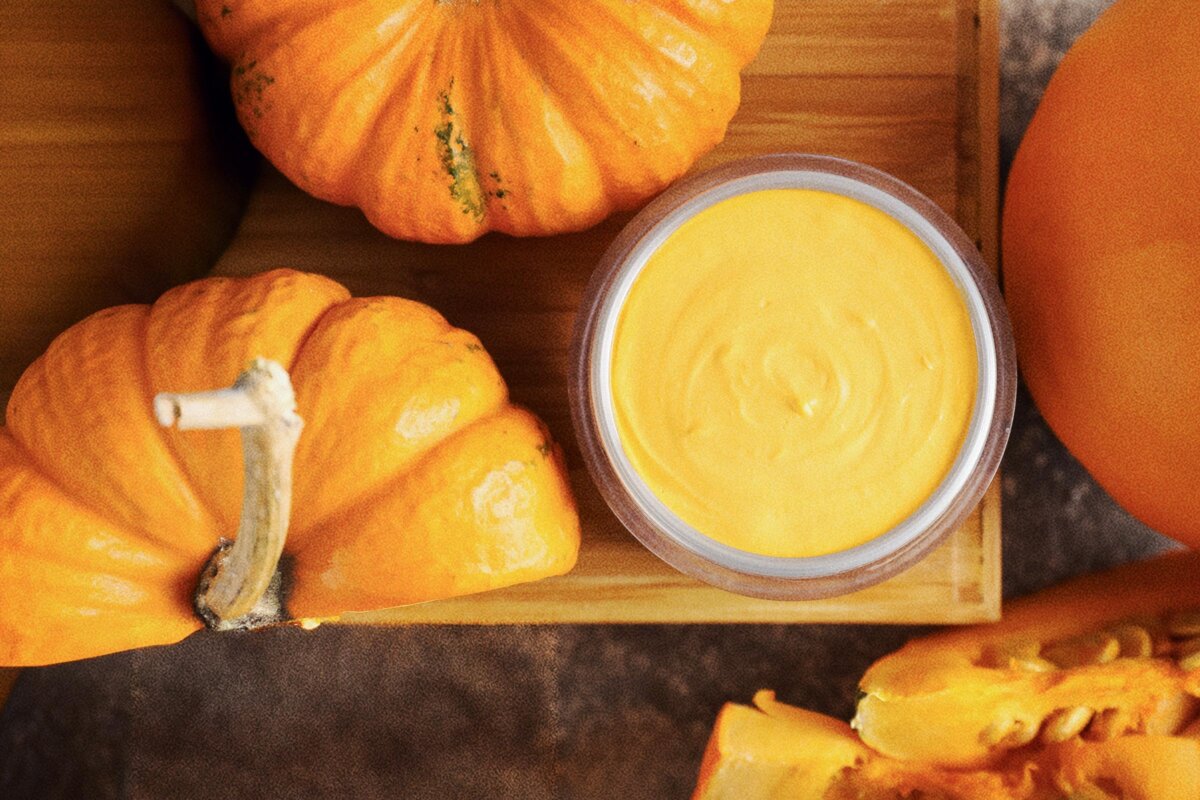
I did not really understand queso until I moved to Texas. Now, I cannot imagine why pumpkin is not added to it more often. Pumpkin gives queso a thick, creamy texture while allowing us to use less cheese. It carries the chiles and spices beautifully, stretches the ingredients we have, and brings something nourishing to a dish normally eaten simply for pleasure. I have included my pumpkin queso recipe below so you can try it for yourself.
Another favorite is what I call no-water pumpkin chicken soup. I carve out a pumpkin and place the chicken, vegetables, and seasonings directly inside it. Then I bake the entire pumpkin in the oven. The chicken and vegetables release their juices as they cook, while the pumpkin softens and contributes its own moisture and flesh. Those juices become the broth.
There is no pot of water diluting the finished soup. The broth is created entirely from the ingredients themselves, so every spoonful is rich with their flavor. Once the chicken is completely cooked, I scrape some of the softened pumpkin from the inside walls and stir it into the broth. The pumpkin itself has become both the cooking pot and part of the meal.
Pumpkin does not need to be hidden beneath sugar and pumpkin-pie spice to be delicious. It can create sweetness without becoming dessert, creaminess without relying entirely on dairy, and substance without overwhelming the other ingredients.
So enjoy the pumpkin latte. Bake the pumpkin pie and simmer the pumpkin soup. But this year, I invite you to take one pumpkin and use it differently. Put it on a pizza. Blend it into queso. Turn it into barbecue sauce or pair it with the last hot peppers of summer.
You may discover that pumpkin season is much bigger than you thought.
Recipe: Pumpkin Queso
Makes approximately 4 cups
Ingredients
-
1 tablespoon butter
-
1/2 cup finely diced onion
-
1 fresh jalapeño, finely diced
-
1 small serrano pepper, finely diced, optional
-
2 cloves garlic, minced
-
1 cup whole milk, plus more as needed
-
1 cup cooked pumpkin or unsweetened pumpkin purée
-
1/2 cup cream cheese, softened
-
1 cup freshly shredded sharp cheddar cheese
-
1 cup diced tomatoes and green chiles, drained
-
1 teaspoon nutritional yeast
-
1/2 teaspoon ground cumin
-
1/4 teaspoon chili powder
-
Salt to taste; you will probably need a little more than usual to counter the natural sweetness of the pumpkin
-
Chopped cilantro, optional
Method
Melt the butter in a heavy-bottomed saucepan over medium-low heat. Add the onion, jalapeño, and serrano, then cook until the onion is soft but not browned, about 5 minutes. Add the garlic and cook for another 30 seconds.
Pour in the milk and warm it gently without bringing it to a boil. Add the cream cheese and stir until it begins to melt. Gradually add the cheddar, reserving about 1/4 cup, and continue stirring over low heat until smooth.
Place the pumpkin and nutritional yeast in a blender with the reserved cheddar and about 1/2 cup of the warm milk-and-cheese mixture. Blend until completely smooth, taking care to vent the blender lid so steam can escape. Pour the pumpkin mixture back into the whole pot and stir.
Add the tomatoes, green chiles, cumin, and chili powder. Continue cooking over low heat until everything is hot and thoroughly combined.
If the queso becomes too thick, add a little more milk. Taste before salting, remembering that you may need a little extra salt to balance the pumpkin’s sweetness. Garnish with cilantro, if desired, and serve warm with tortilla chips and sourdough bread.
Views expressed in this article are the opinions of the author and do not necessarily reflect the views of The Epoch Times.
 Friends Read Free
Copy
Facebook
Tweet
Friends Read Free
Copy
Facebook
Tweet