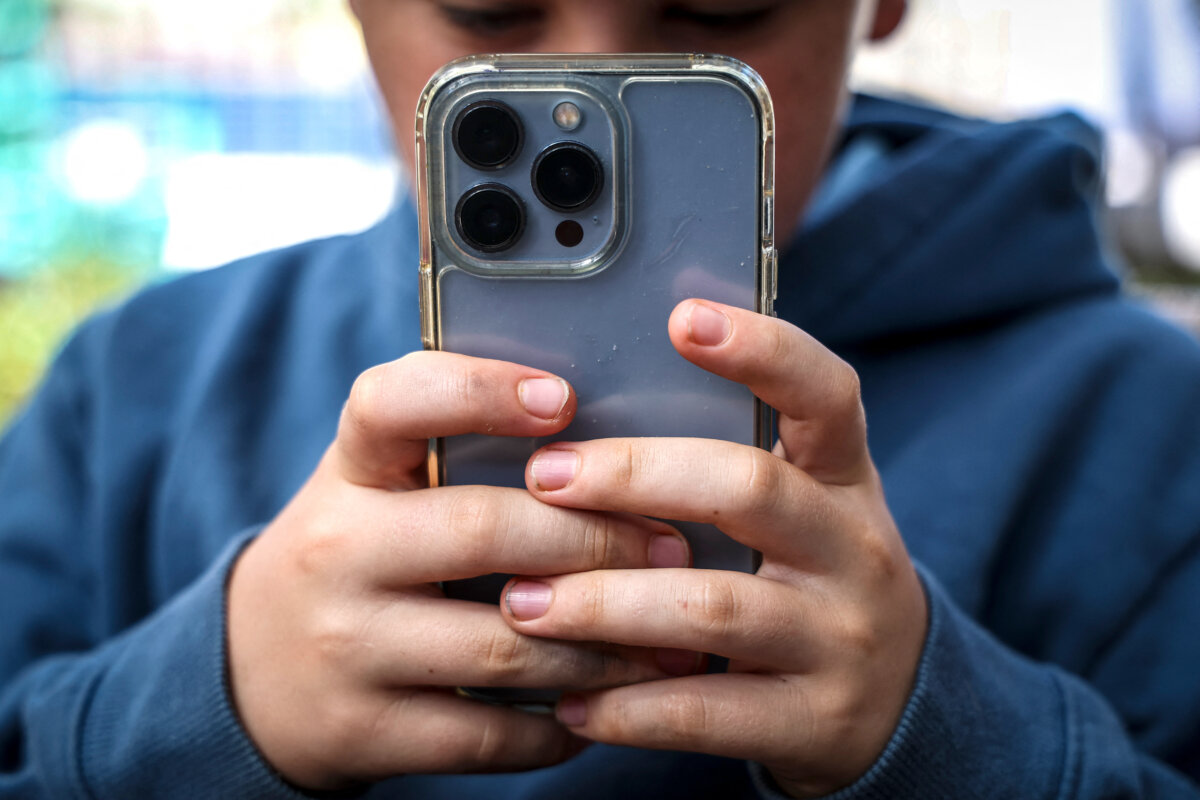

France’s lower house of parliament on Jan. 26 backed legislation to ban children under 15 from accessing social media amid concerns over young people’s mental health and exposure to violent content.
The bill passed with 130 in favor, 21 against, and six abstentions. It now heads to the Senate—the upper house—before it returns to the National Assembly for a final vote.
Presenting the bill to the lower house, Laure Miller, a lawmaker from the Committee on Cultural Affairs and Education, said social networks “are anything but harmless.” She outlined hundreds of pieces of evidence collected for a parliamentary inquiry, which included videos of a violent nature and tutorials on suicide and self-harm.
“No one should be exposed to such content, least of all children and teenagers. And yet, here we are. These social networks promised to connect; they have fragmented. They promised to inform; they have overwhelmed. They promised to entertain; they have isolated,” Miller said.
“The conclusion is undeniable: our children read less, move less, sleep less, and compare themselves more. We could—we should—unite behind a simple yet essential fight: to refuse to let childhood become a commodity and our youth the playground of algorithms.”
The bill also proposed extending the school cellphone ban to high schools. Phones have been banned in French elementary and middle schools since 2018.
Miller told fellow assembly members that “regardless of grade level, school time is for learning, not for phone use,” saying that notifications, messages, and social media impair concentration.
Macron Blames Social Media for Youth Violence
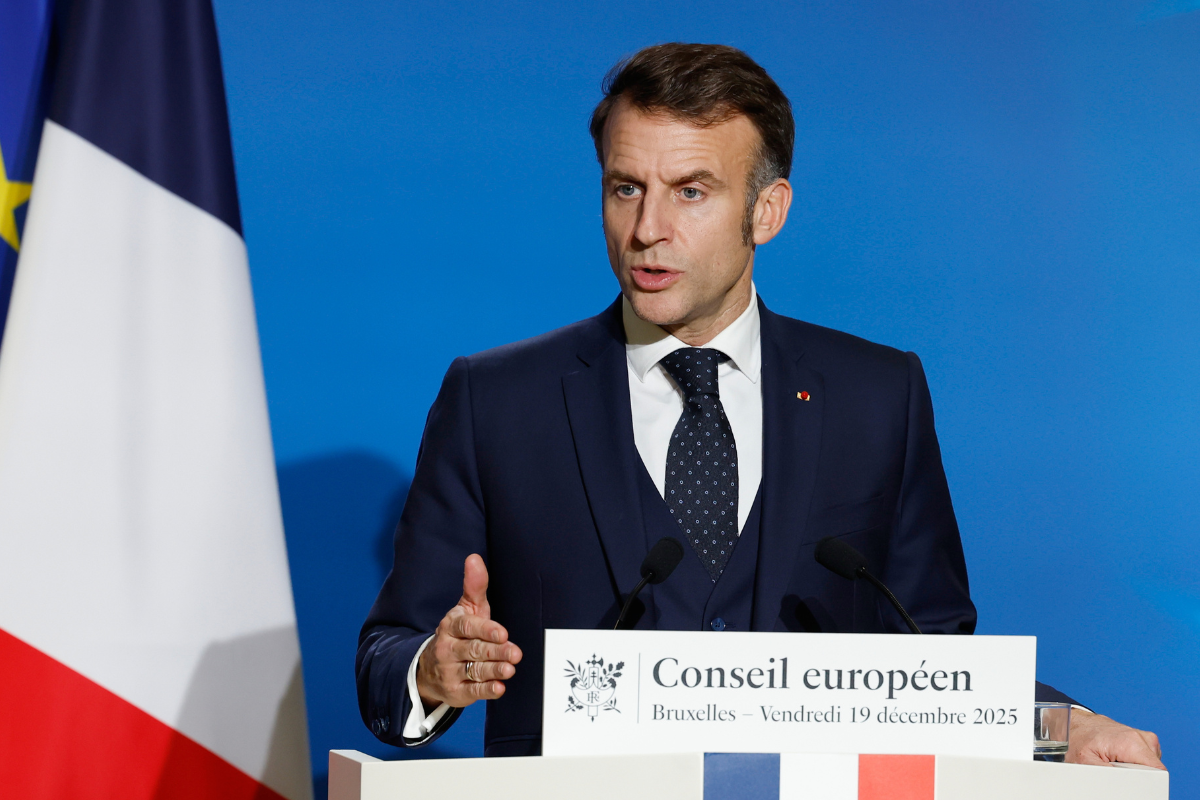
French President Emmanuel Macron has frequently cited social media as one of the factors responsible for violence among young people, and indicated his intention to mirror the Australian ban.
Following a fatal stabbing of a female teaching assistant at a school in eastern France in June, Macron vowed to push for regulation from the European Union to ban social media access for under-15s throughout the bloc.
The president wants national legislation to be fully passed in time for the start of the new school year in September.
On Dec. 10, Australia became the first country to impose nationwide restrictions on minors accessing social media, banning those under 16 from a dozen platforms.
The restrictions were brought in amid concerns over mental health, online harms, and screen addiction affecting Australian children.
Other Countries Propose Bans
Other countries are planning or considering similar legislation, including Malaysia, Switzerland, and Denmark.
Egypt, this week, also indicated it was looking into regulating young people’s access to social media.
The Parliament of Egypt’s House of Representatives said in a Jan. 25 statement that it will explore drafting a law in order to end the “digital chaos confronting our children and negatively affecting their future.”
The lawmakers said this approach reflects the government’s “deep awareness of the magnitude of the challenges facing Egypt’s children from psychological and behavioral risks resulting from the excessive use of social media applications and sites, which may reach the point of digital addiction.”
Reuters and Rachel Roberts contributed to this report.
 Friends Read Free
Copy
Facebook
Tweet
Friends Read Free
Copy
Facebook
Tweet