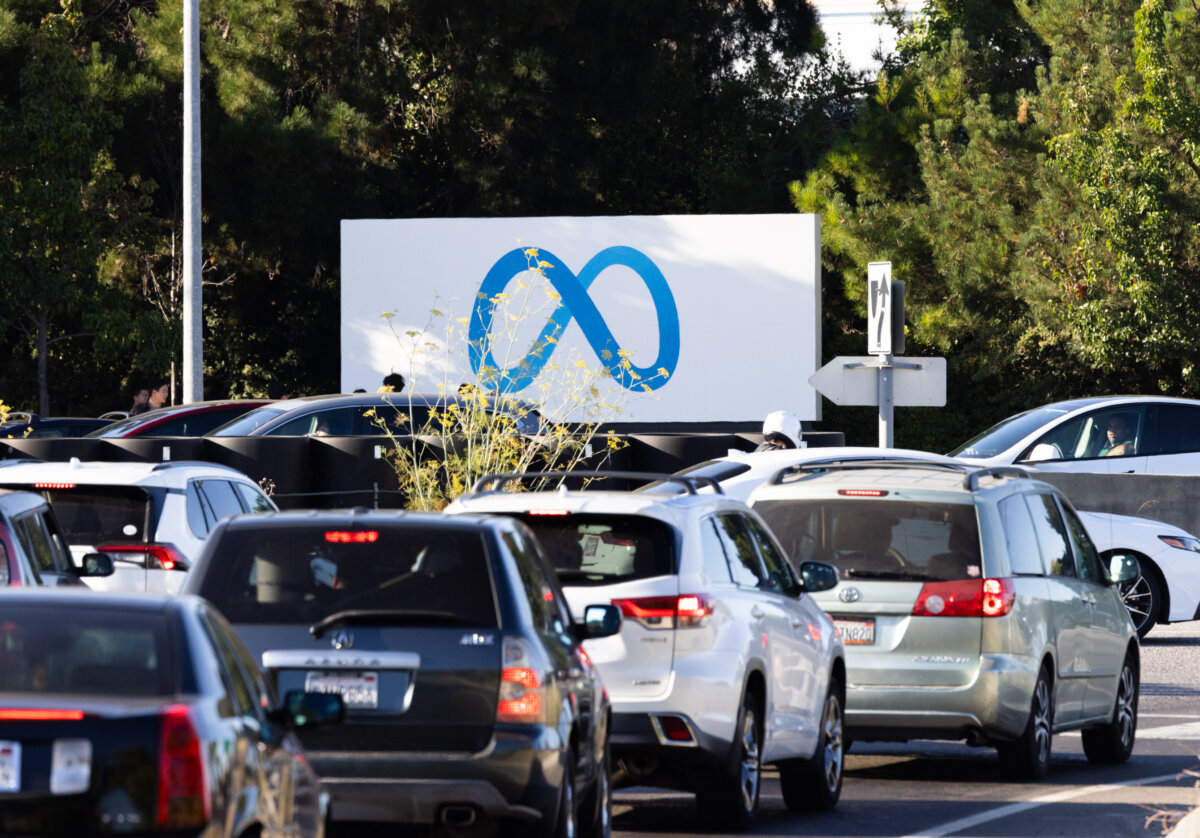

Facebook’s parent company, Meta Platforms, announced on Aug. 26 that it would launch a new political action committee (PAC) in California to endorse candidates, regardless of party affiliation, who support artificial intelligence (AI) innovation and a more lenient stance on regulation.
The tech giant is launching the Mobilizing Economic Transformation Across (Meta) California super-PAC, which will back candidates for state offices who favor AI development over strict regulation, a Meta spokesperson told The Epoch Times.
“As home to many of the world’s leading AI companies, California’s innovation economy has an outsized impact on America’s economic growth, job creation, and global competitiveness. But Sacramento’s regulatory environment could stifle innovation, block AI progress, and put California’s technology leadership at risk,” Meta Vice President of Public Policy Brian Rice said in a statement.
“This is why we are launching a California super-PAC … dedicated to backing candidates regardless of party who recognize California’s vital role in AI development and embrace policies that will keep the state at the forefront of the global tech ecosystem.”
The super-PAC will also finance candidates who “support and defend the American tech industry both domestically and internationally,” the spokesperson said, adding that “American innovation is under threat from a growing number of poorly crafted state-level technology proposals that impact every level of operation while in the midst of a global AI race against China.”
Meta noted that the California Legislature has already introduced more than 50 AI-related bills so far this year.
State Sen. Steve Padilla, a Democrat, sponsored a bill in February that aims to require AI companies to implement critical safeguards in their products to protect “children and other impressionable users from the addictive, isolating, and influential aspects of artificial intelligence (AI) chatbots.”
“Our children are not lab rats for tech companies to experiment on at the cost of their mental health,” Padilla said in a statement.
The Meta spokesperson said the super-PAC would support candidates aligned with the company’s key tech policy issues, including “Promoting & Defending U.S. Technology Companies & Leadership, Advocating for AI Progress, and Putting Parents in Charge.”
The project is similar to a super-PAC network launched on Monday by several titans in the AI industry to support “the creation of enduring infrastructure and momentum that ensures AI leadership remains a central focus in U.S. politics to advance good AI policy.”
Backed by venture capital firm Andreessen Horowitz, OpenAI President Greg Brockman and his wife Anna, and veteran angel investor Ron Conway, the Leading the Future super-PAC network will actively oppose policies that they said limit innovation, “enable China to gain global AI superiority,” or make it harder to “bring AI’s benefits to the world.”
Andreessen Horowitz’s head of government affairs, Collin McCune, said the firm is becoming “more active in supporting pro-technology candidates across the country.”
“Policymakers in Washington and our state capitals are weighing thousands of proposals right now that could make it impossible to build. The only way to counter entrenched interests and outdated thinking is to make sure builders have a voice at the table,” McCune wrote on X.
Leading the Future’s efforts also seek to counter an influential coalition in the tech community that has been advocating for strict AI regulation from Congress to counteract potential harms from generative AI chatbots and the existential threat of a super-AI that breaks from human control.
Earlier this month, two Republican senators called for a congressional investigation into Meta after a Reuters report revealed a Meta policy document detailing polices on chatbot behavior that permitted the technology to “engage a child in conversations that are romantic or sensual,” generate incorrect medical information, and assist users in arguing that black people are “dumber than white people.”
 Friends Read Free
Copy
Facebook
Tweet
Friends Read Free
Copy
Facebook
Tweet