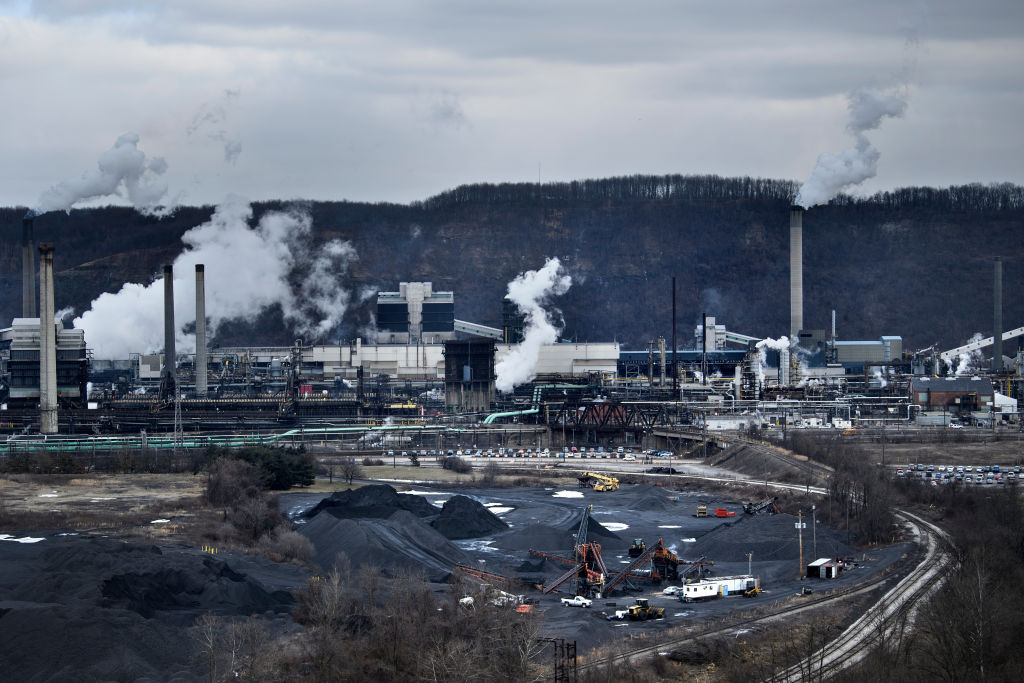

There are enough coal resources in federally managed public lands across the United States to meet the country’s demand for at least 600 years at the current consumption rate, the Department of the Interior (DOI) said in a July 23 statement.
The assessment is based on a U.S. Geological Survey (USGS) report on coal resources in federal lands published on Thursday. According to the report, the conterminous United States has more than 355 billion short tons of available coal resources in federal lands. One short ton is equivalent to 2,000 pounds.
Alaska has an estimated 140 billion short tons and may have up to 5.5 trillion short tons when considering factors such as undiscovered resources.
As of 2024, there were a total of 34 coal mines in federal lands, which, combined, produced more than 261 million short tons of coal.
Wyoming has the highest number of coal mines, accounting for 14 of the 34 sites, and also produces the most coal from federal lands. This was followed by Colorado with six mines, North Dakota and Utah with four each, and Alabama and Montana with three each.
Of the 34, 29 mines produced thermal coal for electric power generation, three produced metallurgical coal for steelmaking, and one produced coal used in cement manufacturing. One mine remained idle.
More than 50 percent of all coal produced in the United States in 2024 was mined from federal lands.
Combined, the 34 mines have an estimated 4.2 billion short tons of reported coal reserves. More than 98 percent of these reported reserves are located west of the Mississippi River, mostly in the Powder River Basin in Wyoming and Montana.
Of the 4.2 billion short tons of reported reserves, Wyoming accounts for 87 percent.
Secretary of the Interior Doug Burgum said in the statement that “American Energy Dominance is more important than ever.”
“And so is beautiful clean coal’s role in the production of electricity needed to fuel our future prosperity,” he said. “Thanks to the USGS’s rigorous and independent assessment, we’re better equipped to manage America’s vast public lands responsibly while supporting energy security and economic opportunity.”
Coal is a key focus of the Trump administration’s energy agenda. On Jan. 20, 2025, President Donald Trump signed an executive order titled “Declaring a National Energy Emergency.”
In the order, Trump directed the heads of various departments and agencies to use any lawful emergency authorities available to them to facilitate the identification, leasing, and production of domestic energy resources, including coal.
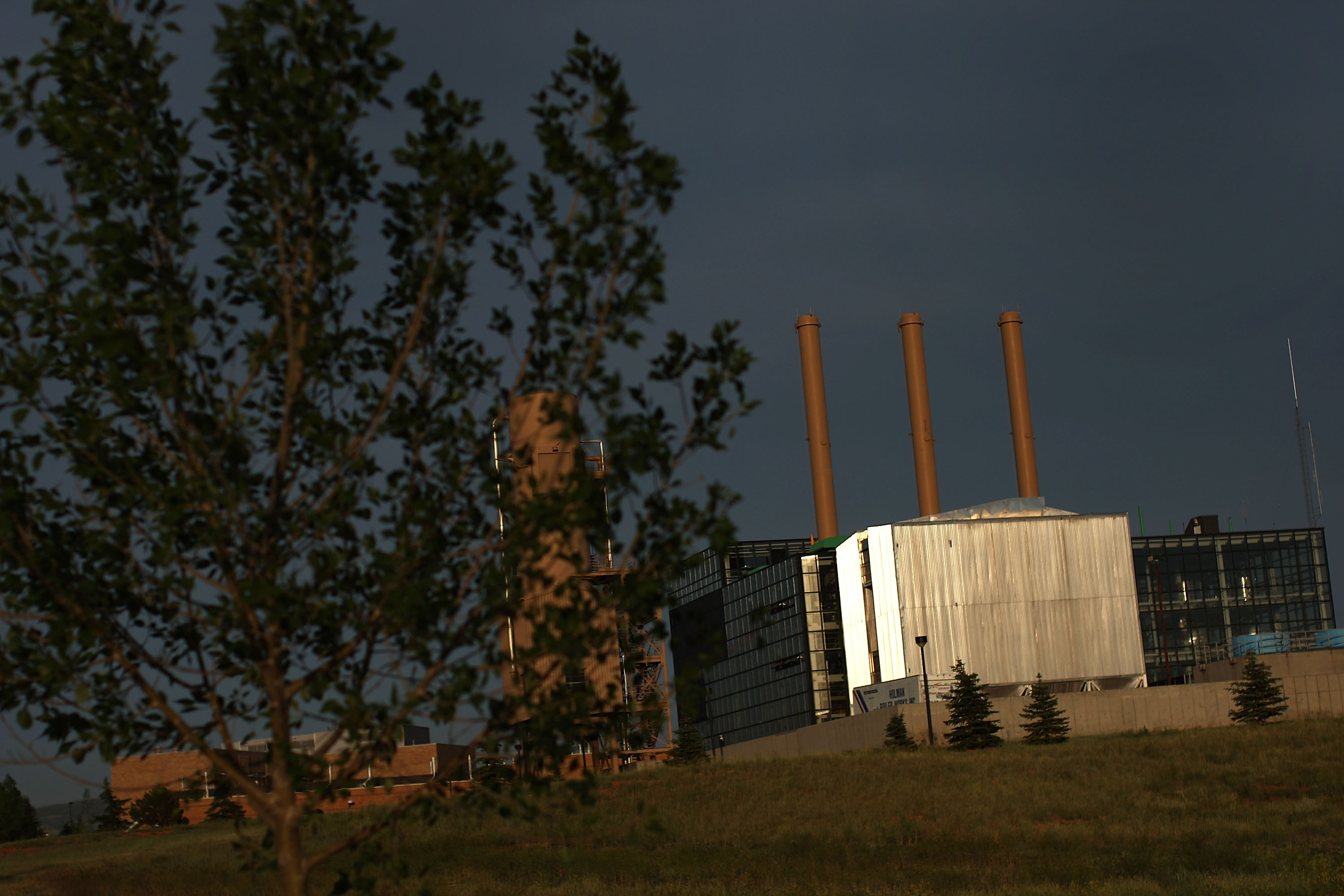 A coal-fired power plant in Laramie, Wyoming, on June 26, 2007. (Spencer Platt/Getty Images)
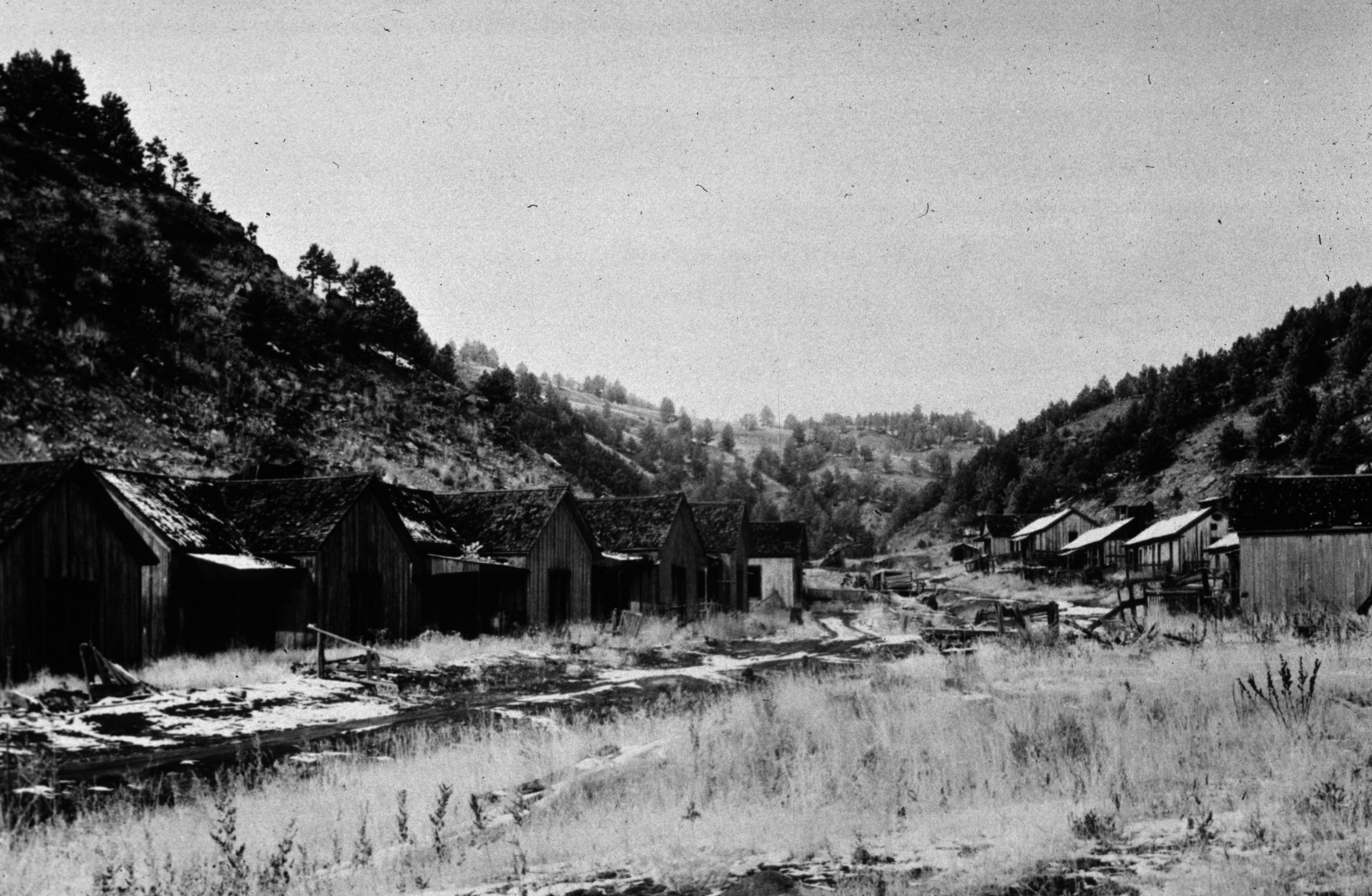 A row of cottages in the ghost coal mining town of Cambria, Wyoming, in November 1937. (Russell Lee/Library Of Congress/Getty Images)
Coal Investments
Trump announced $700 million in federal investments on June 4 to support American coal plants and exports. The investments are expected to support 42 coal mines and more than 14,000 jobs.
About $485 million in funding will go to protecting more than a dozen existing coal plants in 10 states: Arizona, Arkansas, Indiana, Kentucky, North Carolina, North Dakota, Oklahoma, Tennessee, West Virginia, and Wisconsin.
Environmental group The Sierra Club criticized the decision at the time. Patrick Drupp, climate policy director for the group, said in a statement that it was “reprehensible” that Trump was handing out taxpayer funds to “deadly and expensive” coal plants.
The group will do “everything” it can to counter this “reckless” handout, Drupp said.
According to data from The Sierra Club, exposure to air pollution from coal plants resulted in more than 6,500 deaths in the United States in 2024.
The Sierra Club also cited a November 2023 study that found that between 1999 and 2020, a total of 460,000 deaths in the United States were attributable to air pollutants from coal plants.
Under the Biden administration, new regulations were finalized in 2024 to restrict fossil fuel power plant carbon emissions.
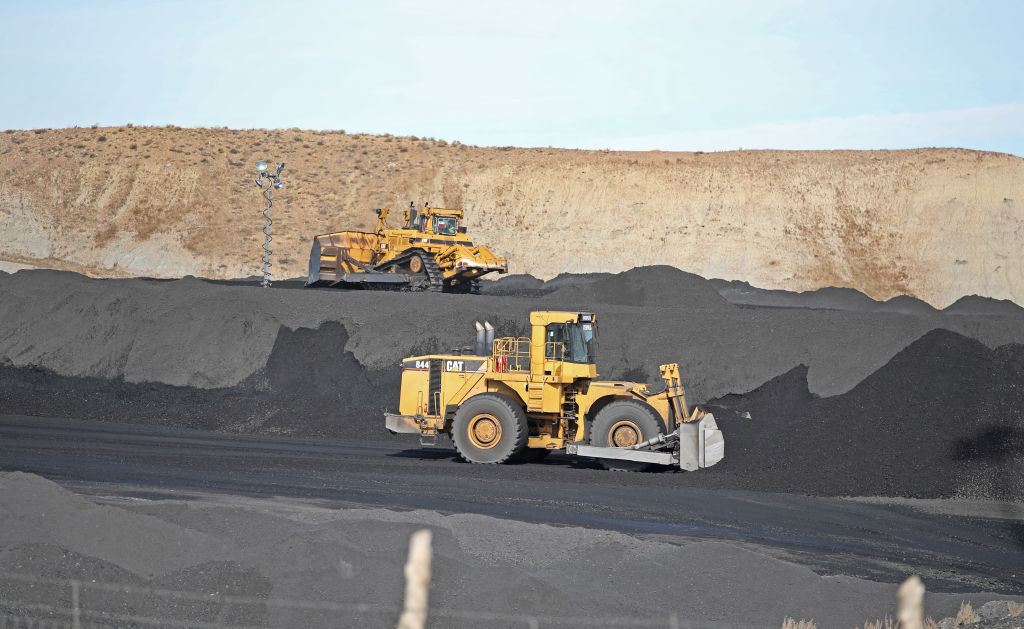 Heavy equipment moves coal into piles at PacifiCorp’s Hunter coal-fired power plant outside of Castle Dale, Utah, on Nov. 14, 2019. (George Frey/AFP via Getty Images)
In June 2025, the Trump administration’s EPA issued a proposal to repeal greenhouse gas emission standards for fossil fuel-fired power plants. The agency said in the proposal that such emissions from plants “do not contribute significantly to dangerous air pollution.”
National Mining Association CEO Rich Nolan welcomed the Trump administration’s $700 million investment.
“Coal generation shields consumers from the impacts of volatile energy prices and supply challenges; it’s a vital piece of a sound energy strategy designed to meet the challenge of today’s [artificial intelligence-driven] demand growth in the context of the conflict in the Middle East,” Nolan said in a June 4 statement.
“The administration is supporting that strategy with decisive action at home to ensure that upgrades to existing energy assets are made, and at our ports to ensure that U.S. coal can answer the world’s needs.”
 Friends Read Free
Copy
Facebook
Tweet
Friends Read Free
Copy
Facebook
Tweet