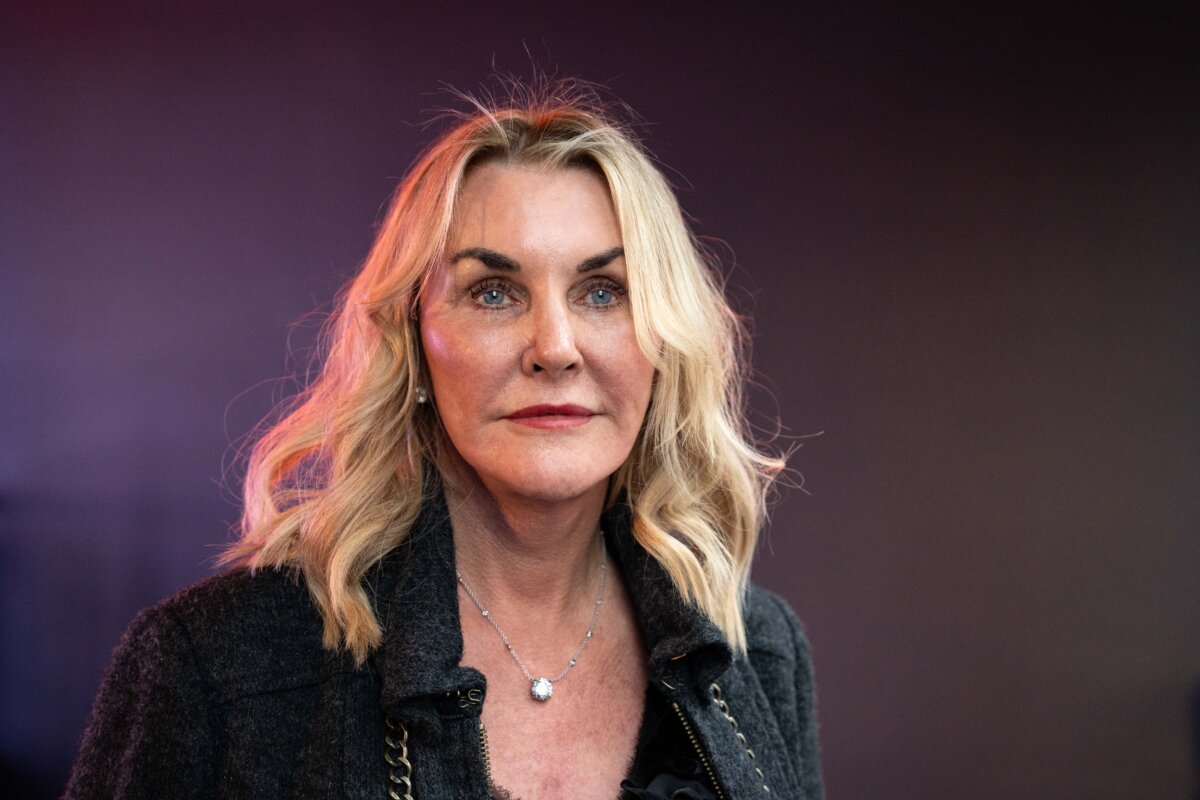

NEW YORK CITY—“Kratom.” That strange-sounding word was unknown to Patti Wheeler—until a dual tragedy struck.
In an instant, one of her two sons was dead; the other was left with a horrifying memory and an unfillable void.
“My heart was breaking into so many pieces, for so many reasons,” Wheeler says in a new documentary, recounting the devastating events of Oct. 25, 2022.
With a thud, her son Wyatt Wheeler had collapsed against the bathroom wall of the Texas home he shared with his twin brother. Gannon Wheeler rushed to help. Wyatt stared into the eyes of his twin and cried; blood trickled out of his mouth.
CPR failed. Wyatt was dead at 27.
His surviving twin, Gannon, was the first to say, “I think it was kratom,” Patti Wheeler recalled.
An autopsy confirmed Gannon’s suspicion. His brother’s use of kratom, an opioid-like substance derived from a tropical evergreen, had proven fatal after just a few weeks of use.
Robert Wyatt Wheeler’s death was an accident, the medical examiner’s office in Tarrant County, Texas, told The Epoch Times. Its cause: “Combined toxic effects” of kratom, plus over-the-counter allergy pills, and a prescribed antidepressant.

Now Wyatt’s grief-stricken mother continues her quest to honor her son and to share what she has learned about kratom, which is widely available, little-understood, and passionately debated.
Fans of the herbal compound—which is sold in various forms ranging from powders to gummies—say it helps manage pain, boost mood, or ease opioid withdrawal. But concerns persist over kratom’s unknown long-term effects, its interactions with other substances, and rising numbers of kratom-involved overdoses and fatalities. State lawmakers and federal regulators are searching for answers as they debate what to do about kratom.
Patti Wheeler explores those issues, which have been intensifying, in “Kratom: Side Effects May Include.” The documentary, which debuted in January at the “Dances With Films” festival in New York City, also honors five other young kratom users who died.
“It was a very hard movie to make. It’s hard to watch. But it’s even harder to absorb,” Wheeler, the film’s narrator and executive producer, told The Epoch Times after the world premiere.
The audience included Dean Francis, a Virginian whose son has struggled with kratom addiction for years.
“This film is a truth bomb that shatters the phony ‘harmless supplement’ narrative peddled for more than a decade by certain industry advocates,” Francis told The Epoch Times.
“The voices of those devastated by addiction—and families who have lost loved ones—are about to be heard louder than ever.”
Mother Seeks Education, Action
Wheeler said she hopes the film will educate people and spur President Donald Trump to “get involved in this, the way he did with fentanyl.”
Although the film also includes interviews with kratom proponents, the movie is “dedicated to those taken or afflicted by kratom and the families and friends who pick up the pieces,” a screen credit states.
Some of those families have filed suit against makers and sellers of kratom, alleging deceptive practices and wrongful deaths.
Eli Cohen, an Atlanta lawyer who has pursued such cases, says in the documentary, “Something you buy next to a pack of Skittles at a gas station shouldn’t interact with a prescription drug and kill you.”
The film’s producer, Joanne Rubino, is working on a deal with a streaming service for public viewing. She and Wheeler are also planning to show it on college campuses across the nation starting this fall.
In the meantime, Rubino and Wheeler are giving private screenings to lawmakers.
As she researched the documentary over 18 months, Rubino realized that “not all kratom products are probably bad,” she told The Epoch Times. Yet she said it is troubling that kratom-makers are “supersizing them more, and there’s no regulation.”
The film’s directors—twin brothers Jason and Jamie Neese—said they could relate to the special bond that Gannon Wheeler shared with his brother, Wyatt.
Jason told The Epoch Times that the documentary is providing important perspective at a crucial juncture.
“We do believe that the tide is turning right now … and we just happen to be a little bit ahead of it with this movie,” he said.


As Sales Soared, So Did Concerns
Customers can buy kratom online or in gas stations, convenience stores, and vape shops; some may be unaware that they are taking a kratom product, the documentary says.
According to the 2021 National Survey on Drug Use and Health, about 1.7 million Americans had used kratom during the preceding one-year period. That same year, estimates from industry advocates were much higher.
For years, reports of ill effects have been escalating, partly because more potent kratom products entered the marketplace.
In response, about 30 states enacted kratom regulations; some banned kratom or a powerful synthesized version known as 7-OH.
On March 5, at Francis’s urging, Virginia approved a beefed-up kratom regulation. As of March 20, the bill had passed the Virginia House and Senate and was awaiting Gov. Abigail Spanberger’s signature.
Francis heralded the win on LinkedIn, writing, “This bill requires a warning label that states THE TRUTH: ‘This product may cause dependence and opioid-like withdrawal.’”
The bill requires shopkeepers to move kratom products behind the counter or into locked cases, and it bans 7-OH products.
Still, sales of kratom and related products remain unregulated at the federal level and in many states. Manufacturers tend to market kratom as a healthy pick-me-up with no indication that it could cause addiction, organ damage, or even death, the movie states.
The federal government requires no “side-effects-may-include” warnings on kratom—a deficiency that the film’s title highlights.

Natural Versus Synthetic
Several kratom advocates argue in the movie that unadulterated, leaf-derived kratom can be used safely.
Kratom naturally contains dozens of chemical compounds.
Scientists are still trying to decode its mysteries, the documentary states.
Most research focuses on just two components of kratom, mitragynine and 7-OH, “both of which bind to the same receptors in the brain … as opioid drugs such as codeine,” the Food and Drug Administration says. The term “7-OH” is short for 7-hydroxymitragynine.
Synthetic, concentrated 7-OH products are “powering a new opioid crisis,” the FDA said.
Nicknames for 7-OH hint at its potency. It has been called “legal morphine,” “over-the-counter OxyContin,” and even “gas-station heroin.” Besides being powerful, 7-OH products come in forms that resemble candy, which are alluring to teens and children, the FDA stated.
The FDA is recommending that the Drug Enforcement Administration (DEA) classify 7-OH as a “Schedule I” substance. It would become illegal to manufacture, sell, or possess, except for DEA-approved research. The DEA’s review was still in progress as of March 20.
Francis said he is concerned that some manufacturers have begun circumventing restrictions or bans by using “the same branding and packaging to market even more potent kratom-related compounds.”
Although most kratom-involved deaths result from drug interactions, kratom can kill all by itself, toxicologist Donna Papsun said in the documentary.
Papsun, who works at NMS Labs in Horsham, Pennsylvania, started detecting kratom in samples from deceased people in 2012. Now, about 1,800 of those cases pass through that lab each year.
“And we’re just one lab,” she said in the film.

How It Started; How It’s Going
As Wheeler describes her personal ordeal in the movie, she also retraces what she learned about the evolution of kratom.
Leaves from the plant, which is in the coffee family, have been smoked, chewed, or brewed into teas for generations in its native Southeast Asian countries.
In powdered and capsule forms, its use spread globally.
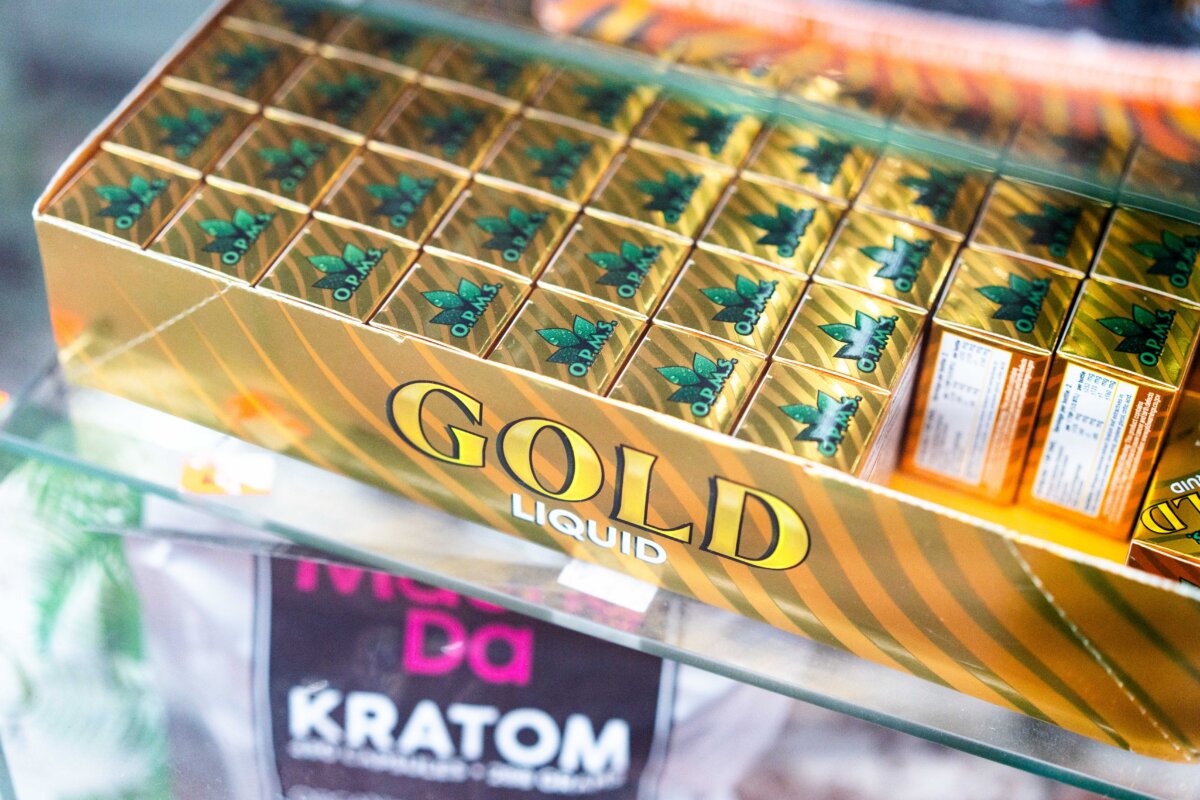
Then higher-powered kratom products, often sold in bottles that resemble popular “energy-shot” drinks, started landing on store shelves across America.
Matt Haney, a California lawmaker who has worked to regulate kratom in his state, says during the film, “You can have two forms of kratom that, to a consumer, look exactly the same.”
“But one has 100 times the potency,” he said, “and if you see it in a store next to a ‘five-hour energy’ drink, of course you think it’s safe.”
Wheeler found 17 shot-sized bottles of kratom among her deceased son’s possessions. “They were just lined up, looking so harmless,” she said tearfully in the documentary.
Even some users who tout the benefits of lower-powered kratom raise concerns about supercharged, synthesized kratom extracts.
A man named Tory Porch credits kratom for helping him ditch his addiction to hydrocodone.
“It’s been great for me. … I can’t imagine not taking it,” he said in the movie.
He also cautions: “Somebody needs to do something about the extracts.”
A kratom products businessman who was not part of the documentary responded to questions The Epoch Times posed, based on the film.
Dallas Vasquez, CEO and co-founder of Mitra9, a Florida “botanical beverages” line, said via email, “Many responsible companies in the industry believe regulators should closely examine those highly concentrated or synthetic products.”
“Traditional” kratom products, which are directly derived from leaves of the Mitragyna speciosa tree, include “naturally occurring” levels of its compounds, he said.
Vasquez said he favors “clear labeling, similar in principle to how alcohol products disclose strength.” This would help consumers make informed decisions and “create accountability for manufacturers,” he said.
Labels on some kratom products, including those from Mitra9, disclose kratom quantities. But a March 6 article in a peer-reviewed journal, Biology Insights, says: “There is no established safe dose of kratom … and no regulatory body has set a recommended dosage.” Thus, consumers lack context to assess labeling.
Hard to Define
Regulating kratom is difficult partly because it defies classification, the documentary notes.
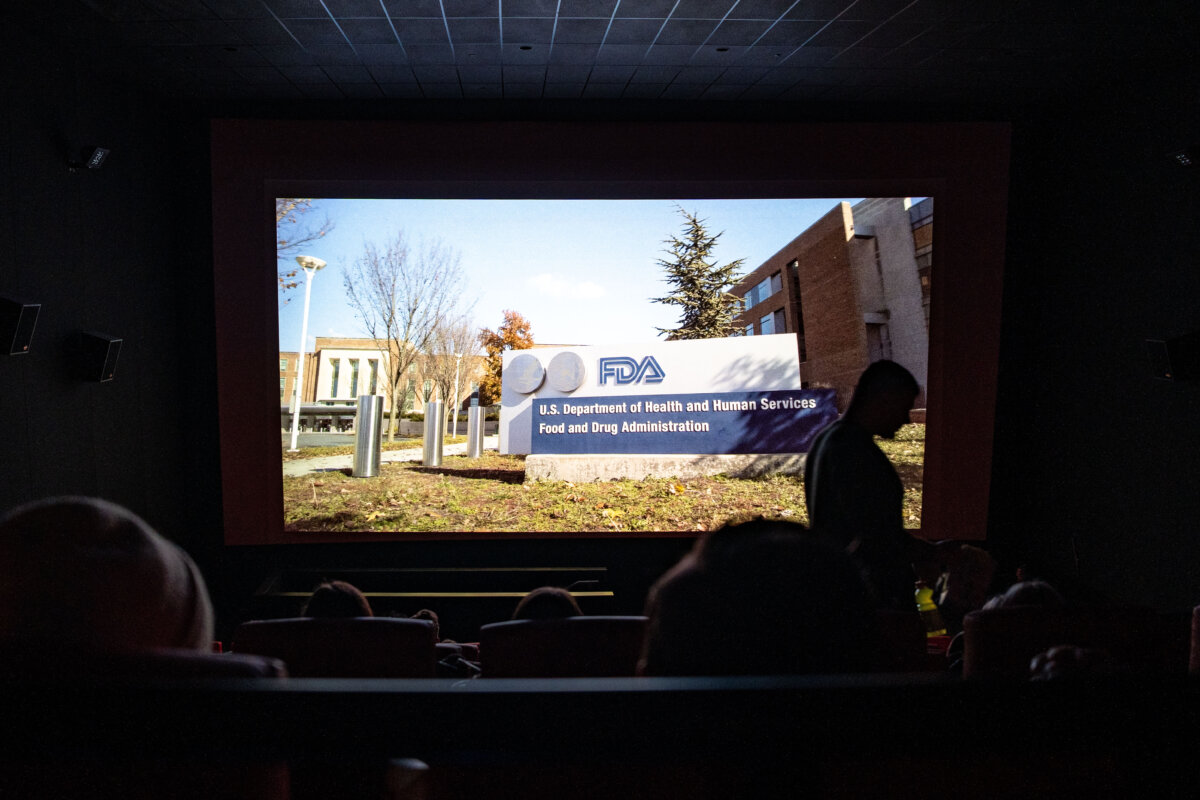
According to the DEA, kratom is “a drug and chemical of concern.” But the FDA calls it an “unsafe food additive.”
Since 2012, the FDA has been warning consumers about kratom.
That substance “is not lawfully marketed in the U.S.” as a drug product, a dietary supplement, or a food additive, the FDA stated.
Wheeler was incredulous over some descriptions of kratom.
“How do they get away with calling it a ‘food’?” she said in the documentary.
Descriptions aside, the FDA advises people not to use kratom—period. It can cause “liver toxicity, seizures, and substance use disorder,” the FDA says, although it noted that deaths from kratom are “rare.”
However, those deaths are probably undercounted.
“Hospitals generally do not perform routine drug overdose testing for kratom,” the Tennessee Department of Health reported in February.
Tennessee’s kratom-related emergency-room visits doubled between 2024 and 2025, involving mostly white males, aged 25 to 44. Their side effects or withdrawal symptoms included vomiting, tremors, abnormal heartbeat, abdominal pain, and hallucinations.
Hope Emerges Amid Tragedies
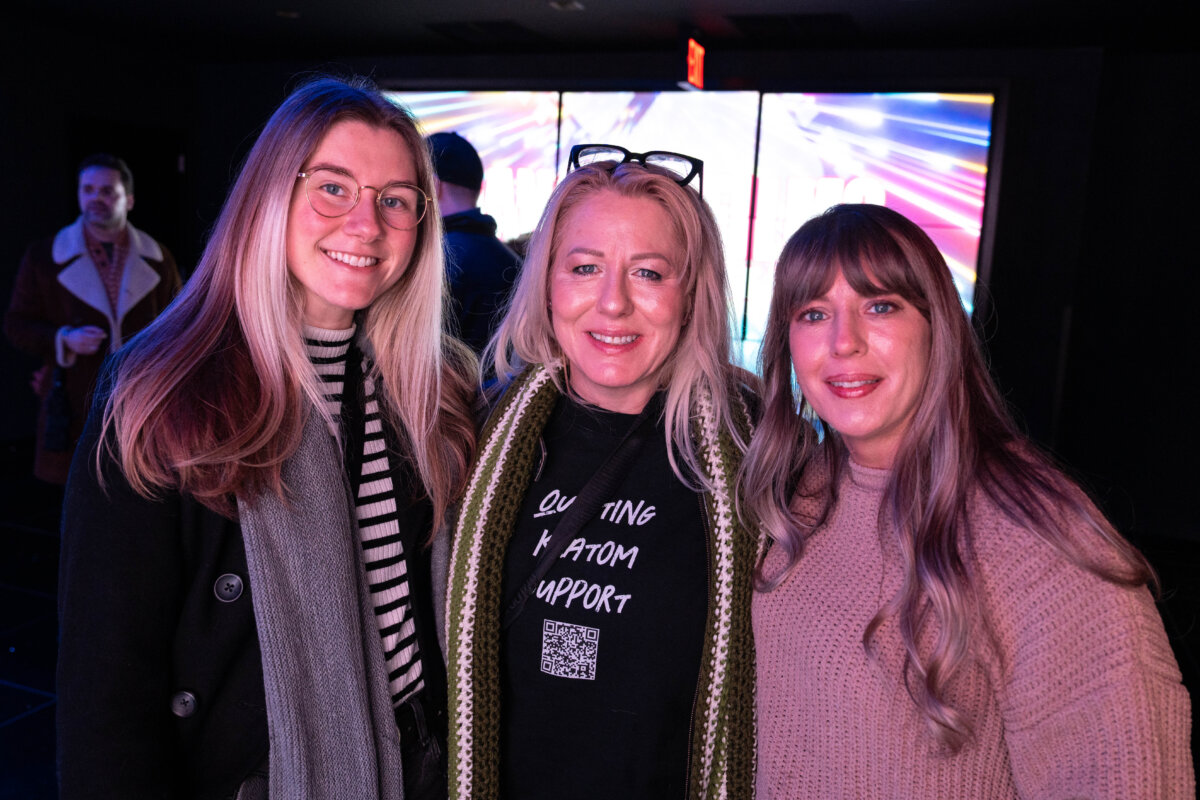
People such as recovering kratom addict Hilary Tesluck of North Carolina wept as they watched the documentary explore kratom-involved deaths.
“I kind of felt guilty, like survivor’s guilt. … ‘Why them and not me?’” Tesluck told The Epoch Times.
She and two fellow recovering addicts, Decima Davis of Mississippi and Natalie Melvin of Kentucky, run Quitting Kratom Support, a volunteer peer-to-peer online group.
About the deaths highlighted in the film, Tesluck lamented, “We could have made a difference and prevented these lives from being taken.”
Tesluck said she feels hopeful that the documentary will do a lot of good.
So does Wheeler, who aims to educate people, push for product safety, and save lives.
“If I just sat in my grief and did nothing … then Wyatt would become another young perceived overdose,” she said during the documentary’s closing moments.
“[After] seeing the enormity of it and becoming more educated by the day … there’s no way that I can stop now,” Wheeler said.
 Friends Read Free
Copy
Facebook
Tweet
Friends Read Free
Copy
Facebook
Tweet