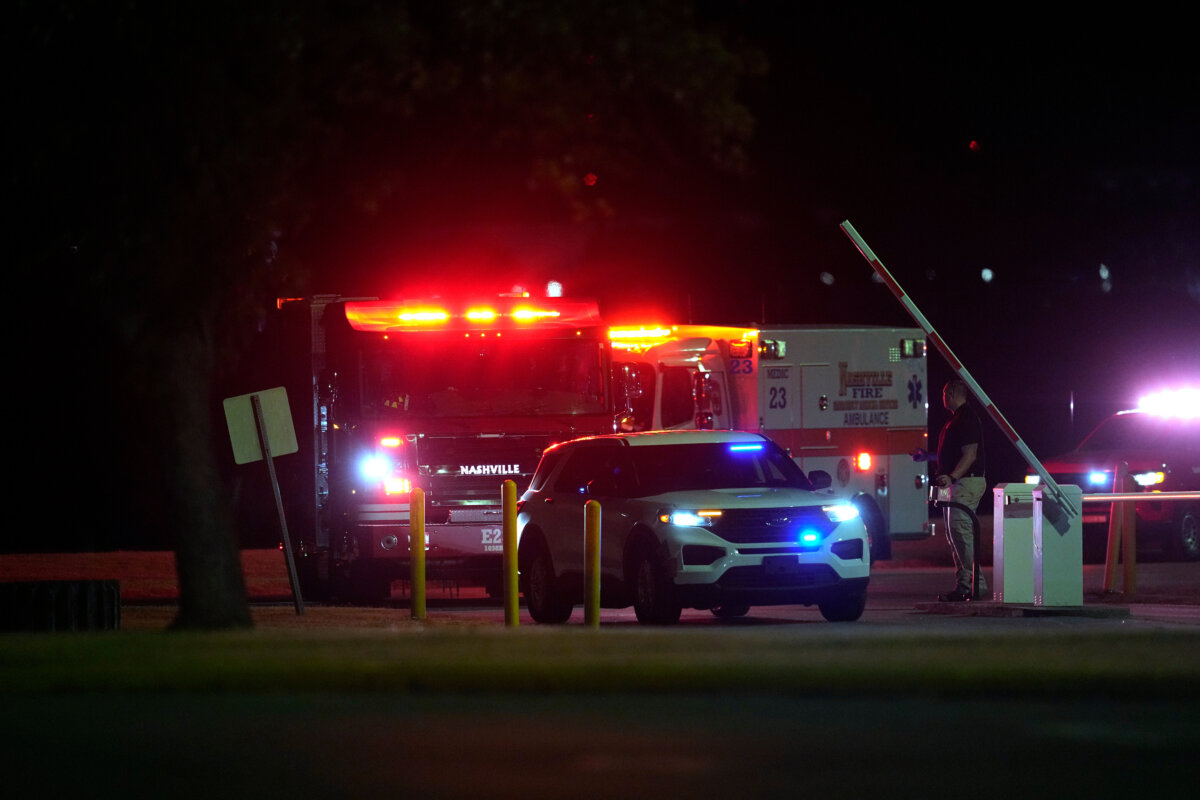

Christa Pike, a convicted murderer, was supposed to be executed on Sept. 30, but two lethal injections did not kill her.
Pike survived the doses of pentobarbital, her lawyers said. Tennessee officials have confirmed that Pike is still alive.
Here’s what to know about the case.
‘Take No Pleasure in Being Right’
Lawyers for Pike, 50, had attempted to halt the execution, arguing in court filings that new developments in the case called into question her conviction for murdering a 19-year-old woman in 1995.
They also expressed concerns about the state’s execution practices, after the execution of another convicted murderer failed.
“Tonight the State of Tennessee once again failed to carry out a lawful execution,” Pike’s attorneys said in a statement to news outlets late Sept. 30.
“We take no pleasure in being right, but the concerns raised by Ms. Pike proved to be true: difficult vein access, blown veins, degraded pentobarbital, no emergency medical care available when things inevitably go wrong, all under a protocol that remains veiled in secrecy.”
Witnesses Describe What Happened
Pike’s lawyers said in an emergency court filing that even after both syringes of pentobarbital, a drug commonly used as a lethal injection, were administered, Pike had not lost consciousness, still had a heartbeat, and was audibly snoring.
“They went through two rounds, and she was still breathing,” Catherine Sweeney, a WPLN reporter who was present for the attempted execution at the Riverbend Maximum Security Institution in Nashville, told a briefing.
Other reporters described hearing loud or heavy snoring.
“That’s the best description we can give you for the noises that were made after she had gotten her two doses of pentobarbital,” Will Puckett, a WVLT-TV reporter, said.
He also said he heard what sounded like choking.
Emergency vehicles later pulled up to the building, and witnesses were told to leave at 8:53 p.m., about two and a half hours after they arrived.
Pike had been asked prior to the injections if she had any last words, and she said, “I’m going to leave this world the way I spent most of my life, and that is with love,” Damon Lawrence with Roane County News said.
Governor Halts Executions
Tennessee Gov. Bill Lee just before midnight said he was pausing all executions for the rest of the year.
“Carrying out a lawfully imposed sentence is among the State’s most serious responsibilities, and the people of Tennessee expect it to be done in a manner that is not only legal and constitutional, but is effective,” Lee said in a statement to outlets.
A federal judge overseeing Pike’s case said that the halt made the emergency request to stop Pike’s execution moot. The judge said state parties told him they had begun administering medical care to Pike.
“The Tennessee Department of Correction followed every step of the State’s lawful, established execution protocol approved by the Attorney General’s Office,” the department said in a statement.
“The lethal injection chemical in the protocol has consistently been effective, and the protocol does not allow for additional procedures beyond what was carried out this evening.”
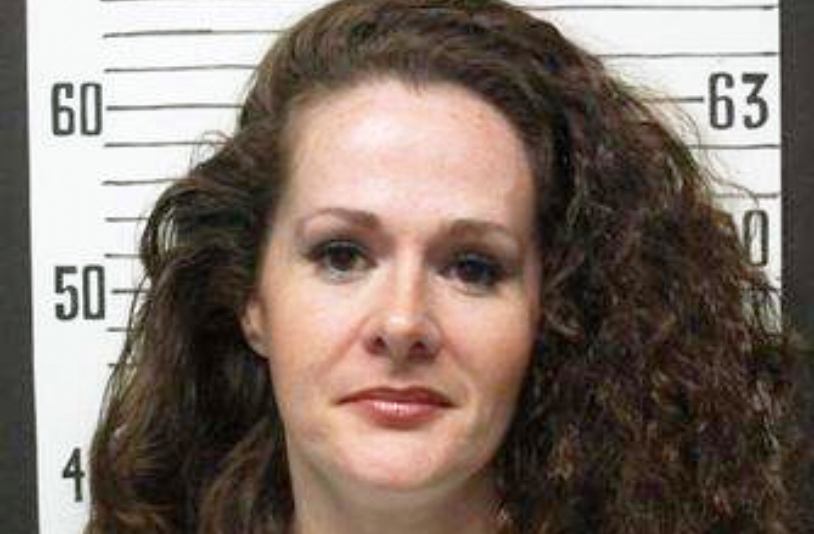 Crista Pike in an undated photo. (Tennessee Department of Correction via AP)
Pike Taken to Hospital
The Tennessee Department of Corrections said that Pike was transported from the prison to an off-site medical facility after she survived the injections.
Pike’s attorneys said that Pike was “being treated at a nearby hospital.”
They said they had not received information about her condition.
Murder Conviction
Pike, 18 at the time, beat, tortured, and killed another woman, Colleen Slemmer, on Jan. 12, 1995.
She was convicted of first-degree murder after confessing to the killing.
Pike, the only woman on Tennessee’s death row, had requested courts stay her execution, in part because of what her lawyers said were new developments, including how state officials had conceded that she was sexually abused as a child.
The Tennessee Supreme Court denied the request, but a federal appeals court on Sept. 30 paused the execution. The U.S. Supreme Court lifted the stay hours later.
The majority of justices did not explain the move. Three justices said that they did not agree.
“I see no reason to short-circuit the ordinary process of appellate review, particularly in light of the grave consequences of an erroneous decision,” Justice Sonia Sotomayor said in a dissent joined by Justices Elena Kagan and Ketanji Brown Jackson.
 Friends Read Free
Copy
Facebook
Tweet
Friends Read Free
Copy
Facebook
Tweet