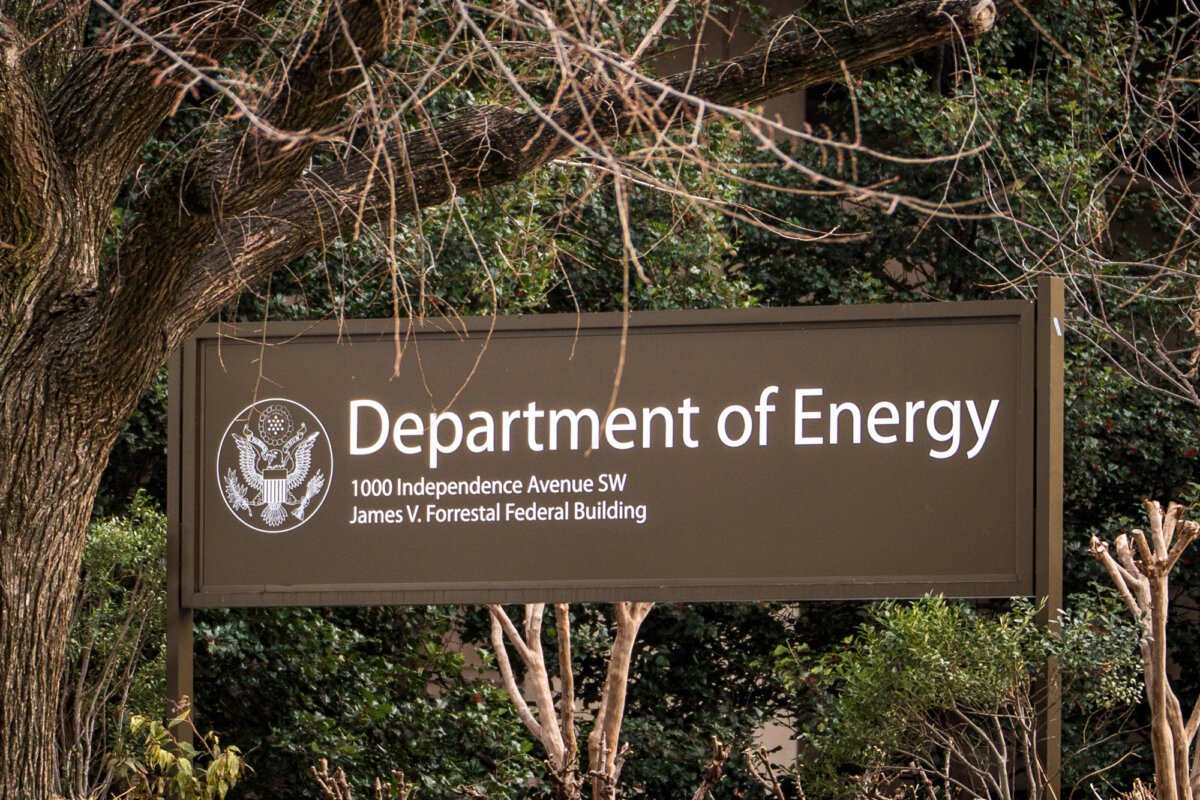

The Energy Department has ended rebates for switching from gas to electric appliances, effective immediately, according to a May 29 program notice.
It revises the High-Efficiency Electric Home Rebate program under Section 50122 of the 2022 Inflation Reduction Act (IRA). States and territories can no longer offer rebates for fuel switching, replacing non-electric appliances with electric ones.
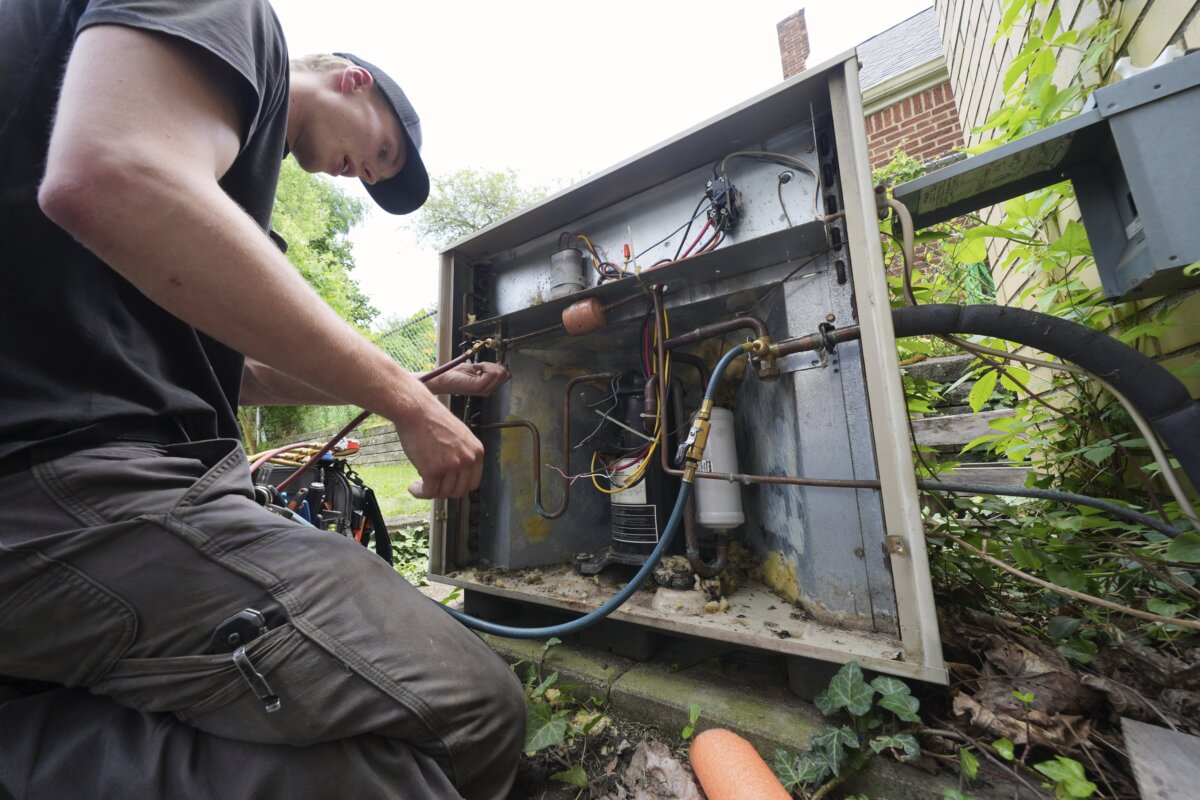
Instead, rebates will be available for upgrades from existing electric equipment to more efficient electric models, such as HVAC systems or appliances. New construction with electric equipment is still eligible for the rebates.
Grantees must adjust launched programs within three months and cannot approve new noncompliant reservations, according to the notice. The department stated that the revisions advance affordability, promote consumer choice, and ensure good stewardship of taxpayer dollars.
Congress created the rebates under former President Joe Biden’s Inflation Reduction Act with the aim of reducing household energy costs and pollution.
The law set aside nearly $9 billion for home efficiency and electrification programs. The High-Efficiency Electric Home Rebate program targeted low- and moderate-income families with cash back for high-efficiency electric heat pumps, stoves, ovens, insulation, and related upgrades. It also allowed fuel-switching from gas appliances.
The Trump administration’s notice removes that allowance. It also eliminates non-statutory requirements tied to diversity, equity, and inclusion initiatives and the Justice40 program—a Biden-era initiative that required 40 percent of federal benefits to go to disadvantaged communities.
Grantees must now prioritize insulation and air sealing before heating or cooling upgrades unless homes already meet approved standards. Existing reservations approved under the old rules can proceed.
The rebate shift aligns with the administration’s broader policy realignment, favoring traditional energy sources.
In October 2025, the Trump administration canceled, or clawed back, $8 billion in Inflation Reduction Act allocations for 223 renewable energy projects.
The broader rollback of Biden-era energy spending has been a consistent theme of the Trump administration’s domestic policy agenda.
The Inflation Reduction Act, signed by Biden in August 2022, represented the largest climate investment in U.S. history, directing roughly $369 billion toward clean energy and emissions reduction programs over a decade, according to the Congressional Budget Office.
The Trump administration argued that the IRA’s electrification mandates raised costs for American families and limited consumer choice in home energy decisions, in part because it authorized 10 years of sustained tax credits, low-interest loans, and grant programs that by some estimates could have topped $1 trillion.
Natural gas remains the most common home heating fuel in the United States, used in roughly half of all U.S. homes, according to the U.S. Energy Information Administration. The Trump administration has framed policies protecting gas appliances as a matter of affordability and energy reliability for working-class Americans.
John Haughey contributed to this report.
 Friends Read Free
Copy
Facebook
Tweet
Friends Read Free
Copy
Facebook
Tweet