News Analysis
After a democratic socialist, New York state Rep. Zohran Mamdani, made international headlines for winning the New York City mayor’s race, a different story quietly unfolded 1,200 miles away in another major U.S. city.
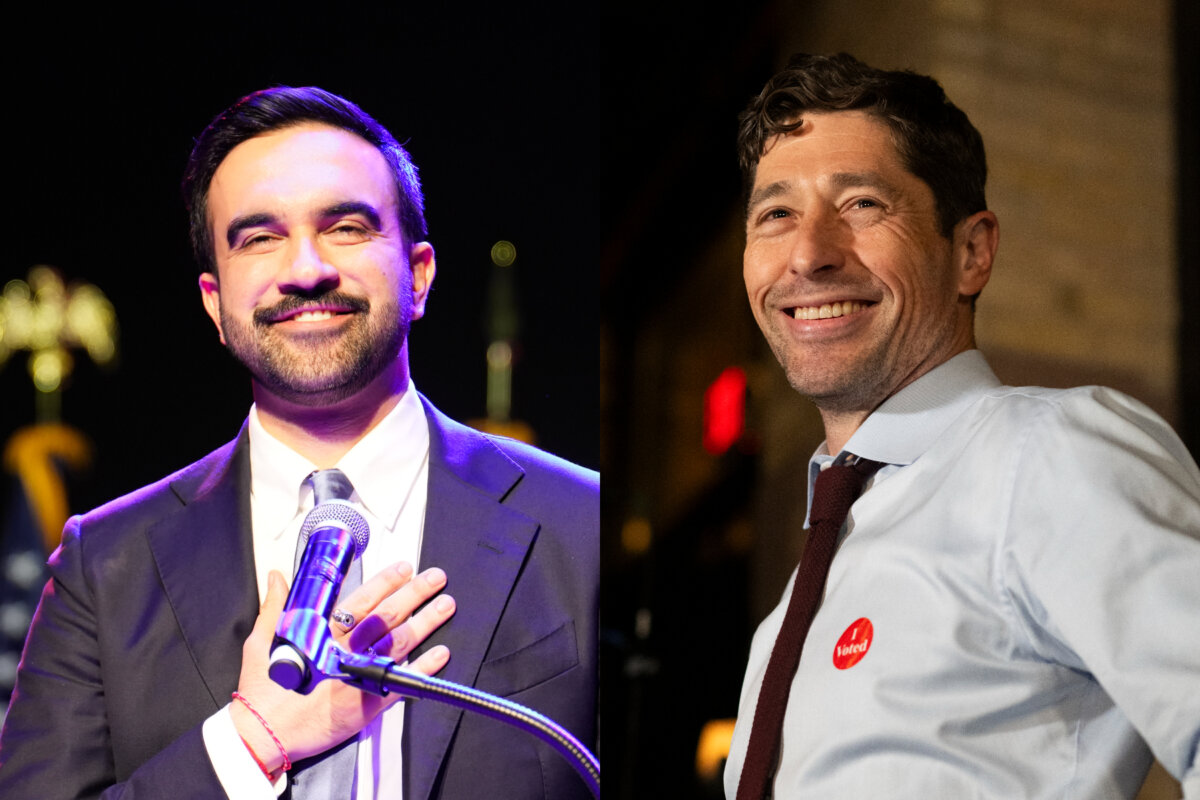
To win a third term, Minneapolis Mayor Jacob Frey—a more moderate Democrat—fended off 14 contenders including state Rep. Omar Fateh, who was sometimes called a “mini Mamdani” because the Democratic Socialists of America (DSA) endorsed both him and Mamdani.
Split outcomes in New York City and Minneapolis, along with other Nov. 4 election results, raise key questions: Is socialism in America gaining a lot of ground—or only a few well-publicized footholds? And will New York City’s flirtation with democratic socialism implode—or spread the anti-capitalist DSA movement more broadly across America?
The election results also hold implications for the 2026 midterm elections, which will determine whether Republicans maintain control of both chambers of Congress. If they don’t, Republican President Donald Trump would face more obstacles to his agenda.
While the political trends will take time to play out, observers such as Jesse Arm, a vice president at the Manhattan Institute for Public Policy Research, say election outcomes in Minneapolis and elsewhere show that the American appetite for DSA-type, radical leftist policies appears to be limited.
“Moderation won again,” Arm wrote in City Journal. “The only question is whether anyone in either party will notice.”
He wrote that Frey was among a number of moderate Democrats whose victories gained only a sliver of the national media spotlight.
“The attention, the oxygen, and the viral clips all belong to Mamdani,” Arm noted, even though Mamdani’s margin of victory was “the narrowest in a generation, roughly 30 points lower than Eric Adams’s 2021 landslide.”
“Spectacle and novelty” drove coverage from news outlets, he said—and Republicans jumped on the bandwagon “to make Mamdani the face of the Democratic Party so they can run against him everywhere else.”
As a result, views of the political landscape are distorted, Arm said. He pointed out that two Democratic congresswomen—Rep. Abigail Spanberger of Virginia and Rep. Mikie Sherrill of New Jersey—became governors-elect after campaigning on “competence and moderation, rejecting the extremes that have alienated swing voters in both parties.”
And in St. Paul, Minnesota, next door to Frey’s Minneapolis, state Rep. Kaohly Her scored an upset victory over the more progressive incumbent, Melvin Carter III.
Democrats Sour on Capitalism
These election results come at a time when the national Democratic Party is not only struggling to regain power but also to bridge deep divides between its DSA-leaning wing and mainstream Democrats.
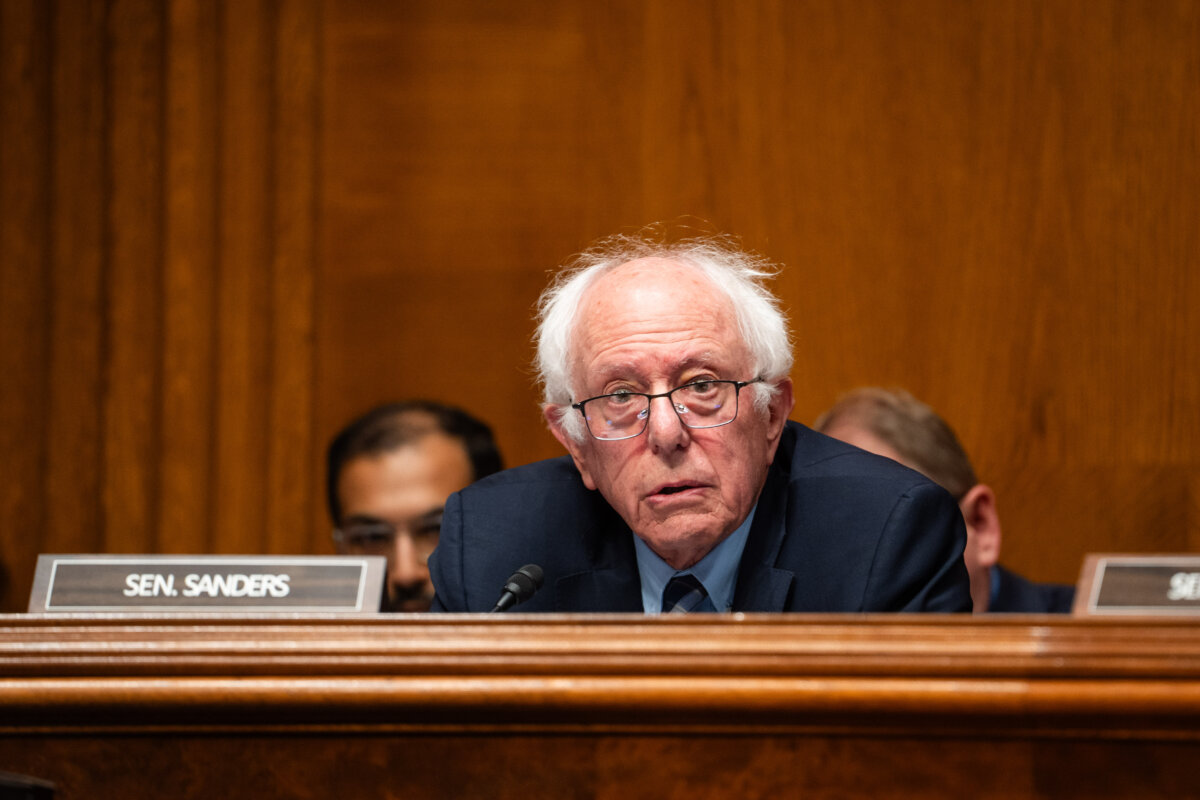
At least three members of Congress belong to the DSA: Reps. Alexandria Ocasio-Cortez (D-N.Y.), Rashida Tlaib (D-Mich.), and Greg Casar (D-Texas). Sen. Bernie Sanders (I-Vt.), who caucuses with Democrats, is a self-described democratic socialist.
“If Democrats were smart, they would make their overperforming moderates—[such as Spanberger and Sherrill]—their template for the future,” Arm wrote. He expressed skepticism over such a possibility, largely because Mamdani’s election gave the DSA faction a big boost.
During a 15-year span, Gallup polls have shown that favorability of socialism is trending upward among Democrats, while declining among Republicans and remaining relatively steady among independents.
The latest such poll showed that “Democrats are the only partisan group of the three that views socialism more positively than capitalism,” Gallup said.
Released in September, the poll showed 66 percent of Democrats viewed socialism in a positive light. For the first time in the poll’s history, fewer than half of Democrats (42 percent) viewed capitalism positively.
In contrast, 38 percent of independents and only 14 percent of Republicans looked favorably upon socialism.
Against that backdrop, DSA supporters trumpeted Mamdani’s win as a stamp of approval for their movement, which they say has been growing in size and influence.
In a post-election statement, the DSA called Mamdani’s triumph “the most monumental electoral victory for the U.S. socialist movement in the last century.”
Besides celebrating Mamdani’s win as the first Muslim mayor of New York City, the DSA heralded victories in the Seattle mayor’s race, as well as in city council contests in Detroit, Atlanta, and upstate New York.
The DSA is committed to “becoming an independent mass socialist party,” but for now will continue “acting as a party without a dedicated ballot line,” according to a 2025 DSA convention report on the World Socialist Web Site.
To that end, the DSA plans “a massive electoral push in the 2026 midterms through the Democratic primary process,” the report said.
In the meantime, people will be watching for ripple effects from Mamdani’s successes or failures in the nation’s largest city, whose fortunes are often said to be tied to America’s as a whole.
Uncertainty in New York City
Mamdani’s ability to handle his new mayoral responsibilities “remains to be seen,” said Frank Carone, former chief of staff for New York City Mayor Eric Adams, a mainstream Democrat who will leave office when Mamdani takes over in January.
Mamdani’s platform included pledges to freeze rent prices, eliminate bus fares, and create city-owned grocery stores.
Sources of funding for such programs remain in question. And many people believe Mamdani’s campaign promises to enact some programs were misleading, Carone said, because “the mayor does not have power” to do so without approvals from other leaders or lawmakers in local or state government.
In response to concerns about the socialist-inspired policies of Mamdani, John Hinderaker, who heads a public policy nonprofit called Center of the American Experiment, told The Epoch Times: “No mayor can single-handedly turn a city socialist.”
Mamdani faces “a little bit of a rocky road” because he will arrive in the mayor’s office “with no executive experience, no experience at all,” other than his five-year tenure as a state assemblyman, Carone said.
At 34, Mamdani is the Big Apple’s youngest mayor elected in a century.
However, Mamdani appears to be surrounding himself with experienced people, “which is good to see,” Carone said.
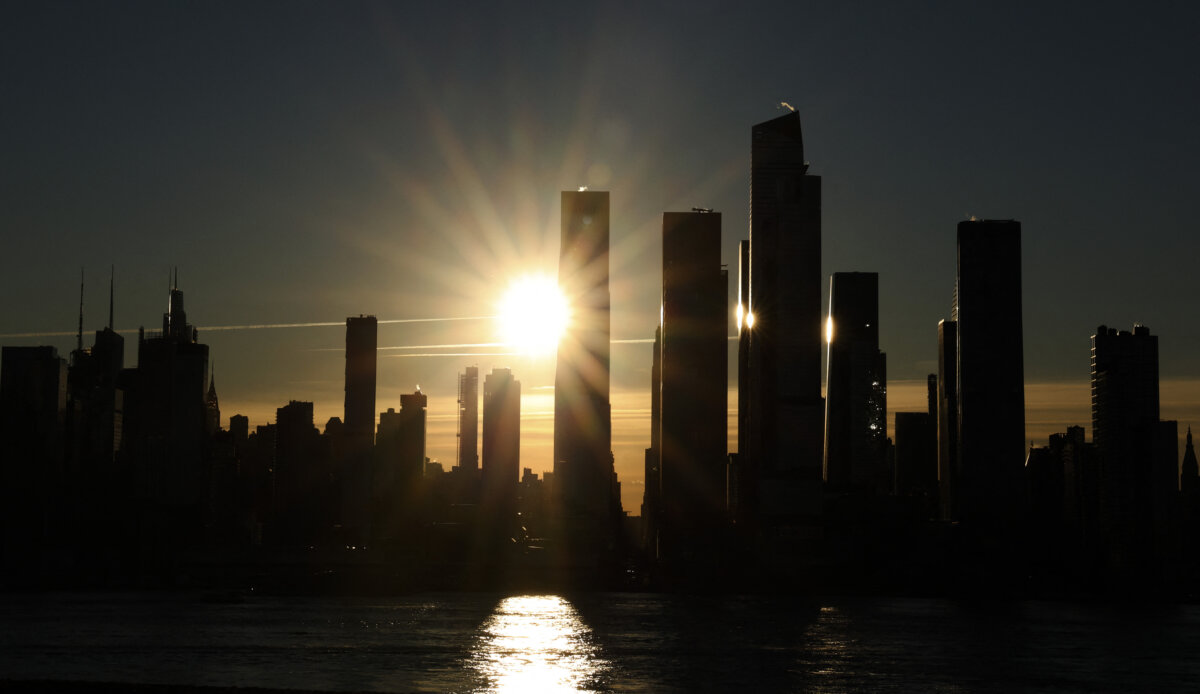
Mamdani will be tasked with leading America’s most populous city; it is home to about 8.5 million people.
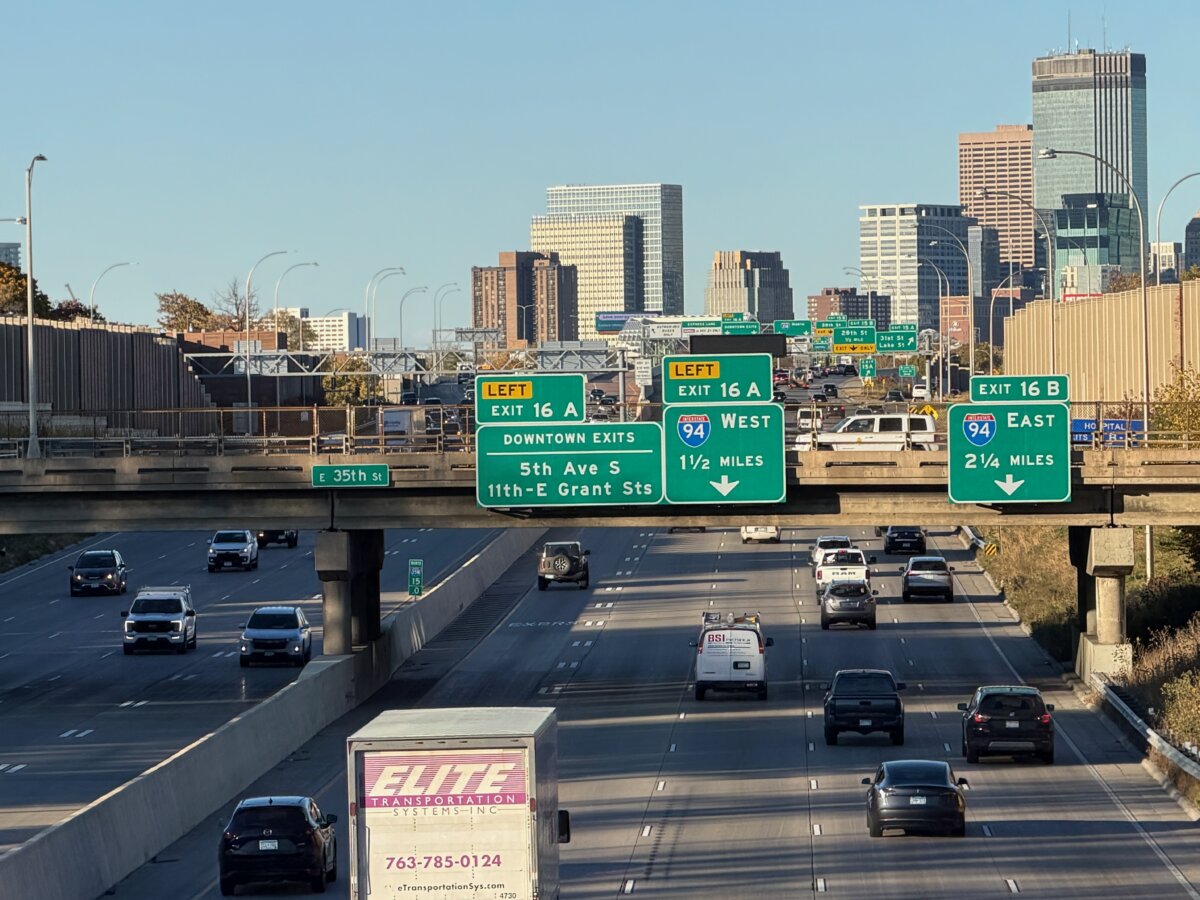
Frey’s Minneapolis ranks 46th in population, with about 425,000 residents, according to the U.S. Census Bureau.
Many people there breathed a sigh of relief that Frey, who is Jewish, beat the DSA-endorsed Muslim contender, said Andrew Parker, an attorney and political commentator in that city.
Frey’s victory—and changes to the balance on the city council—seem to signal “a pushback from moderate liberals in the city,” Parker told The Epoch Times.
He sees the incumbent’s reelection as “a loss for socialist anti-Semites who failed to learn from history that their policies do not work—and harm the poor and disadvantaged.”
Frey, 44, is 10 years older than Mamdani. He also has the advantage of having served as Minneapolis’s mayor since 2018.
Public Safety a Top Issue
Although affordability was the buzzword this election cycle, public safety remains “the North Star” for local government leaders such as mayors, Carone said.
“You can make mistakes. But you can’t make mistakes in public safety.”
Mamdani plans to concentrate on preventing gun violence, reducing homelessness, and expanding services to crime victims.
He also advocates an 800-percent increase in funding for hate-crime prevention.
Mamdani prioritizes help for troubled people rather than law-enforcement action—which somewhat mirrors a program developed under Frey’s leadership.
In Minneapolis,“Behavioral Crisis Response Teams” now handle 10,000 calls a year that previously went to police, Frey’s website says, “with zero injuries reported.”
Mamdani has said he had no plans to add officers, but he recently reversed his earlier “defund the police” stance.
That anti-police rallying cry originated in Minneapolis in 2020.
At the time, in his first term as mayor, Frey rejected the “defund the police” movement that spread nationwide after the death of George Floyd, 40, in police custody.
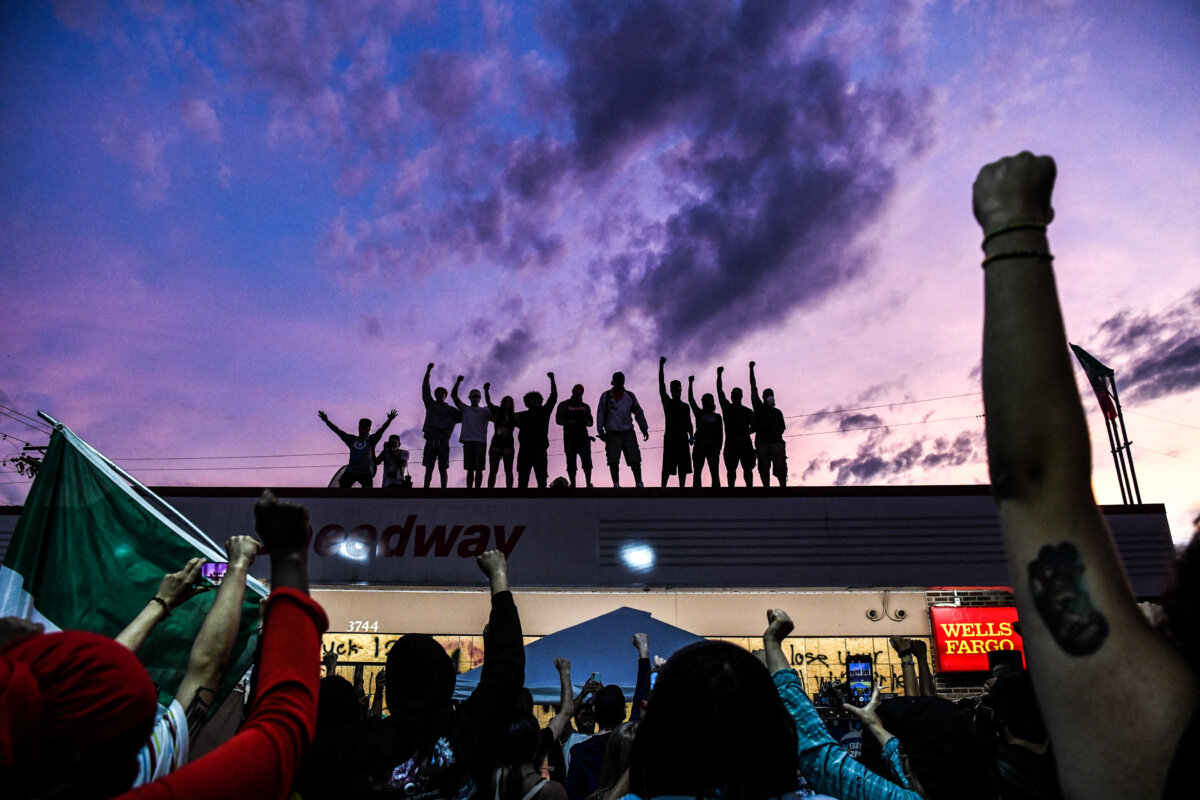
Frey condemned circumstances surrounding Floyd’s death. However, “when calls to defund the police grew loud, most residents—and I—said no, because we need to improve and reform policing, not get rid of it,” Frey wrote on his campaign website.
The Minneapolis police force is staffed with “more officers today than it has had in years,” Frey wrote, saying he intends to continue recruiting more officers.
Frey said his policies have reduced crime; he touts a decade-low number of shootings in the city’s poorest quadrant, the northwest.
In New York City, people are waiting to see the results of Mamdani’s policies, Carone said.
“If New York is safe and streets are clean, then people will stay. They’ll invest. They’ll raise families. They’ll open up small businesses,” he said.
Conversely, “if New York turns out to be unsafe because of changes in his policies, then they will leave.”
“That’s the bottom line,” he said, “and I believe that very, very strongly.”
Limits of Power
Carone said election statistics shed light on what could be Mamdani’s biggest challenge.
About half of the 2 million New Yorkers who voted Nov. 4 cast ballots for non-Mamdani candidates, and his political nemesis, President Donald Trump, earned 30 percent of the 3 million New York City ballots cast in last year’s election.
“He’s now the mayor for everyone, so he has to take that into consideration,” Carone said of Mamdani. “He has to tone down that rhetoric and find common ground with those on the opposite sides of the political spectrum.”
At the local level, neither mayor-elect seems to have a majority of council members solidly in his corner, observers such as Carone in New York and Parker in Minneapolis say.
Minneapolis’s 13 city council seats are about equally divided between those who are DSA-aligned and those more supportive of Frey, but there are a couple of council members whose votes could go either way, Parker said.
Mamdani must coordinate with 51 New York City Council members. There are probably two Republicans in the mix, plus “a couple of conservative Democrats that sort of vote alongside the Republicans,” Carone said.
Otherwise, he thinks most of the council members are moderate Democrats; he’s unsure how far left they would be willing to go.
In both cities, the person chosen to head City Council is paramount; that leader could hit the gas pedal—or the brakes—on the mayor’s agenda.
While voters in Minneapolis have already seen almost eight years of Frey in action, New Yorkers can only wonder how Mamdani will operate at the helm.
Carone said most people he knows have this attitude: “New Yorkers are tough … They’re hopeful that New York will continue to be a robust city—an epicenter of commerce, culture and tourism—despite his politics.”
 Friends Read Free
Copy
Facebook
Tweet
Friends Read Free
Copy
Facebook
Tweet