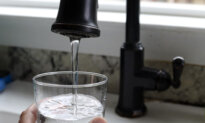
The Environmental Protection Agency (EPA) on April 14 launched a new initiative to reduce contamination of so-called forever chemicals in drinking water nationwide.
Forever chemicals, or per- and polyfluoroalkyl substances (PFAS), are man-made chemicals used in industry and consumer products that persist in the environment for a long time. Exposure to PFAS is linked to several health issues, including cancers and negative effects on reproduction and immune function.
The PFAS OUT initiative aims to “reduce exposure to PFOA and PFOS in drinking water, years ahead of compliance with federal regulatory requirements,” the EPA said in an April 14 statement. PFOA and PFOS are types of PFAS chemicals. The International Agency for Research on Cancer has classified PFOA as carcinogenic to humans and PFOS as possibly carcinogenic.
A U.S. Geological Survey (USGS) study from 2023 found that almost half of the tap water in the United States was contaminated with PFAS.
PFAS OUT will provide drinking water systems affected by contamination from forever chemicals with information on various resources to tackle the issue.
“EPA aims to directly engage about 3,000 drinking water systems nationwide that have known challenges with PFOA and PFOS, ensuring they are aware of the support available to them (approximately 2 percent of water systems),” the agency said.
“Small, rural, and disadvantaged water systems often have fewer resources to navigate complex contamination challenges. PFAS OUT is specifically designed to ensure these communities are not left behind, helping every affected system reduce exposure now and position itself for full compliance with enforceable drinking water standards in the coming years.”
The program will target public drinking water systems with PFOA or PFOS levels above the maximum contaminant threshold of 4 parts per trillion, according to the agency’s FAQ webpage.
The EPA clarified that the PFAS OUT initiative does not offer any direct funding or technical assistance to affected water systems. Instead, the program connects water systems to tools, resources, technical assistance, and funding opportunities.
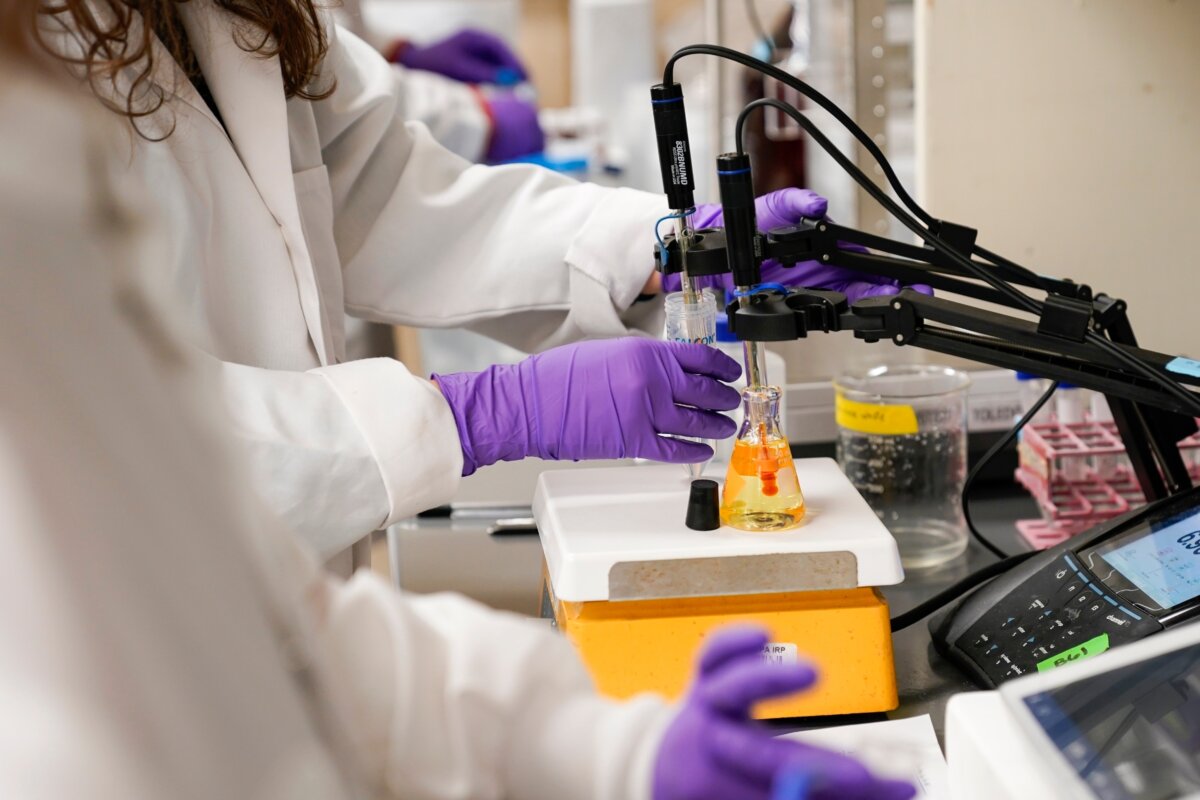
“Protecting Americans from exposure to PFAS in drinking water is a priority for EPA. That’s why I’m thrilled to launch the PFAS OUT initiative to help water systems accelerate actions to reduce exposure to PFOA and PFOS,” EPA Assistant Administrator for Water Jess Kramer said.
EPA said PFAS OUT advances President Donald Trump’s Make America Healthy Again agenda, an initiative that seeks to improve nutrition, confront chronic disease, and lower health care costs in the country.
PFAS Contamination
The 2023 USGS study tested for 32 types of PFAS from samples collected from 716 locations between 2016 and 2021. Researchers determined that, on average, at least one PFAS was present in about 45 percent of U.S. tap water samples.
For their analysis, “USGS scientists tested water collected directly from people’s kitchen sinks across the nation,” USGS research hydrologist Kelly Smalling said at the time.
An October 2024 report from the Government Accountability Office (GAO) also raised the issue, saying that PFAS “may be the biggest water problem since lead.”
GAO surveyed public water system managers in six states and found that most did not know how PFAS was entering their water supplies.
“We also learned that 77 percent of the public water systems in our survey have yet to fully implement a PFAS treatment method,” the report said.
EPA’s PFAS Out initiative is part of a wider effort to ensure drinking water is safe for Americans.
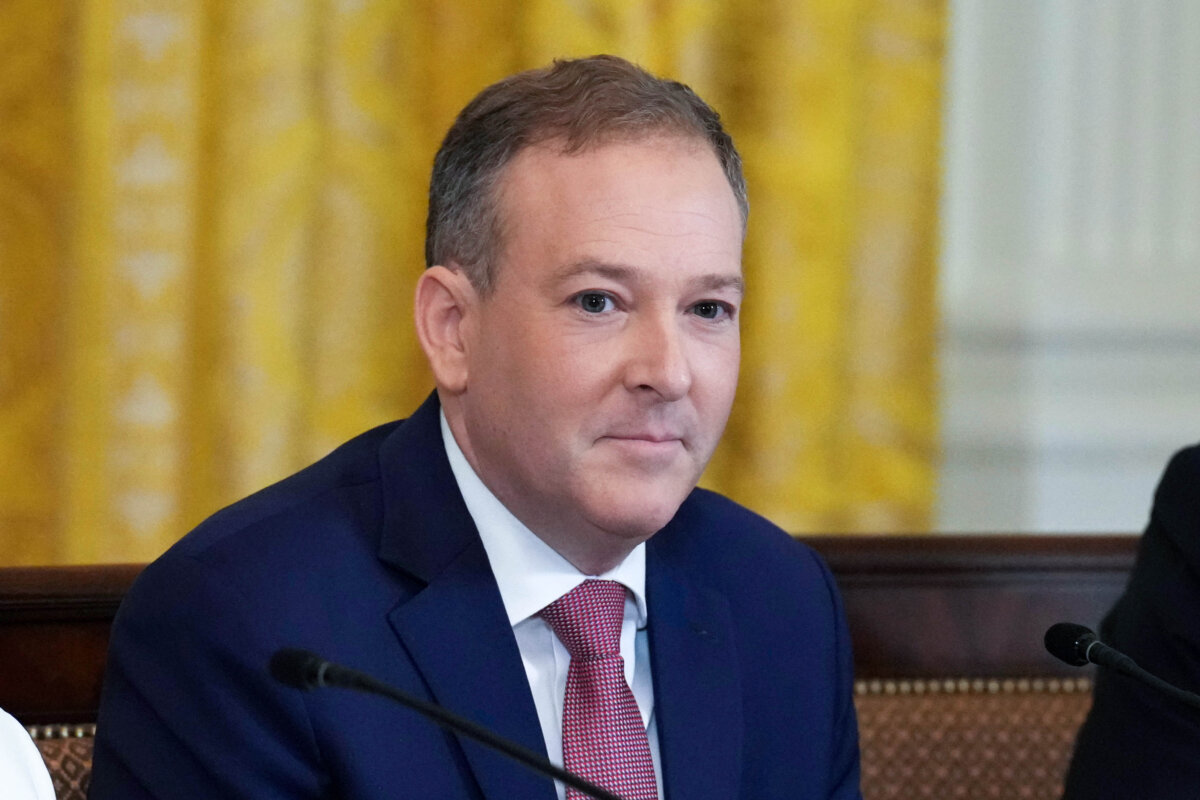
On April 2, EPA Administrator Lee Zeldin announced the release of the agency’s draft Sixth Contaminant Candidate List (CCL), a list of drinking water contaminants known or expected to occur in public water systems and that are currently not subject to EPA’s drinking water regulations.
Four contaminants—PFAS, pharmaceuticals, microplastics, and disinfection byproducts—as well as nine microbes and 75 chemicals potentially found in drinking water, were added to the Sixth CCL. When a substance is listed in the CCL, it may be subject to future regulation.
“For too long, Americans have vocalized concerns about plastics and pharmaceuticals in their drinking water. That ends today,” Zeldin said in an April 2 statement.
“By placing microplastics and pharmaceuticals on the Contaminant Candidate List for the first time ever, EPA is sending a clear message: we will follow the science, we will pursue answers, and we will hold ourselves to the highest standards to protect the health of every American family.”
 Friends Read Free
Copy
Facebook
Tweet
Friends Read Free
Copy
Facebook
Tweet