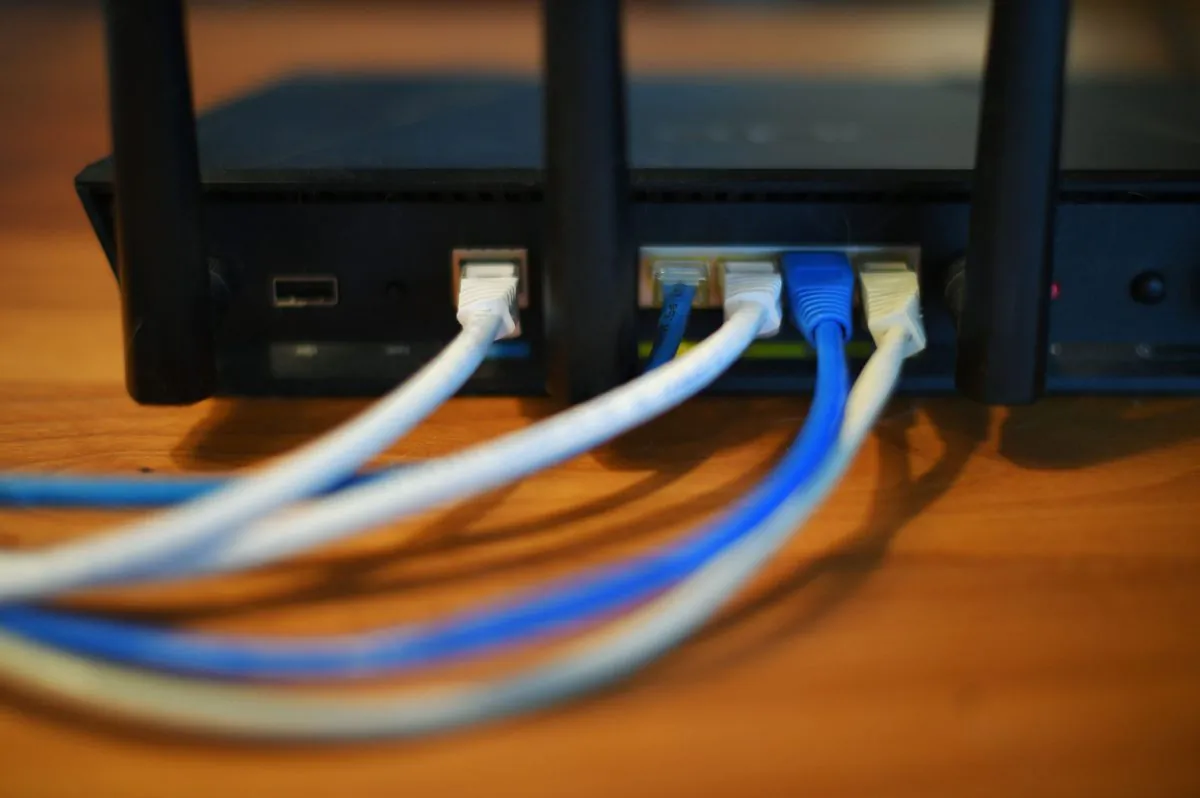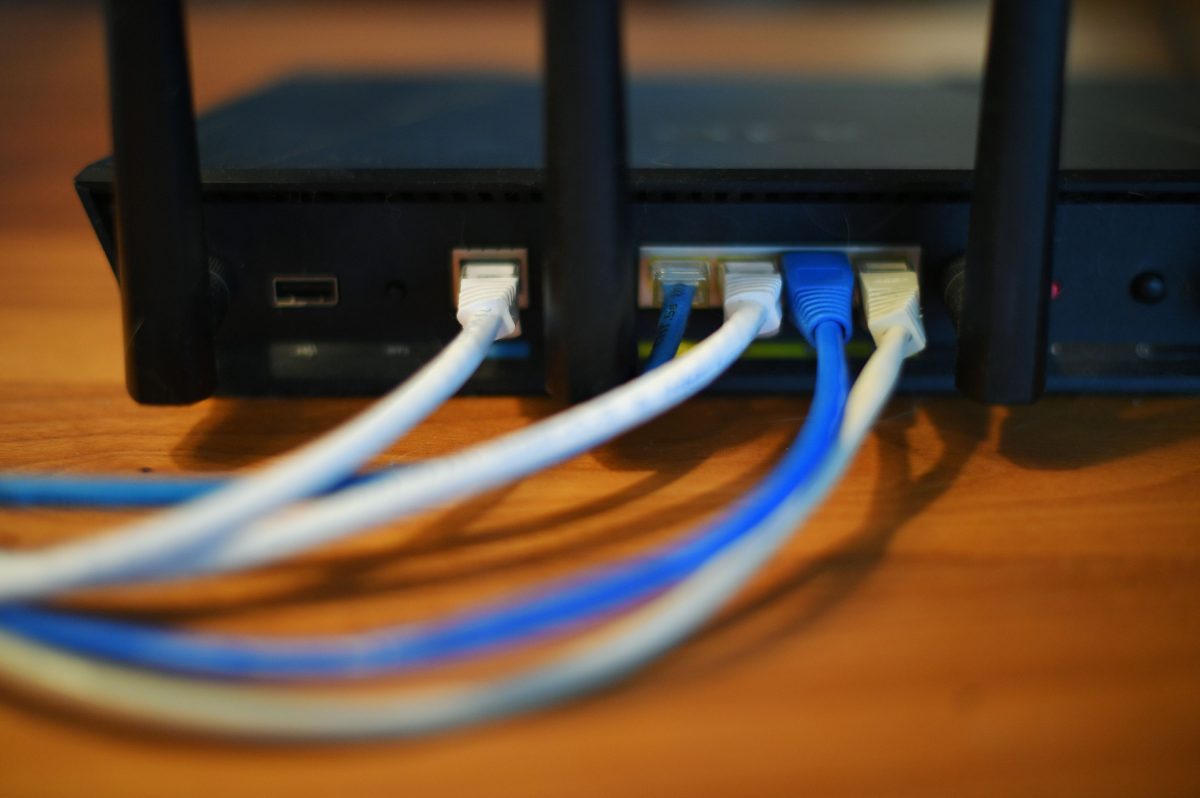

The Federal Communications Commission (FCC) banned all imports of foreign-made commercial routers March 23, a move that targets Chinese-linked brands found to pose national security risks.
“Today, the FCC took additional action to safeguard Americans and the communications networks we rely on,” FCC Chairman Brendan Carr posted on X. “This action means that new models of foreign-produced routers will no longer be eligible for marketing or sale in the U.S.”
The decision followed a March 20 report by an executive branch interagency body with national security expertise. The report found commercial routers—the boxes used in homes to connect computers, phones and other smart devises to the internet—posed an unacceptable risk to the United States.
“Allowing routers produced abroad to dominate the U.S. market creates economic, national security, and cybersecurity risks,” the report stated.
A majority of the routers in American homes and businesses are made in foreign countries. The devices are critical to the nation’s economy and defense, and the U.S. “can no longer depend on foreign nations for router manufacturing,” according to the report.
The FCC action doesn’t affect any previously purchased consumer routers. Those can continue to be used, according to the agency.
The FCC’s announcement was welcomed by Chris McGuire, a senior fellow for China and emerging technologies on the Council on Foreign Relations.
“Hopefully the intent is to implement this in a similar way to the FCC’s recent foreign drone restrictions: Prohibit devices from Chinese companies, while whitelisting devices from basically every allied/partner company,” McGuire posted on X. “If so, this will be extremely helpful, and will effectively ban the future sale of TP-Link routers and other Chinese routers that pose clear national security risks. The FCC is gradually becoming the lead agency on import controls.”
TP-Link, a Chinese company, is the world’s largest commercial wi-fi and home router manufacturer and controls a substantial share of the U.S. home routers market.
Ninety-six percent of Americans use routers as a primary means to access the internet, the group found. The tools are also critical for managing the flow of data for infrastructure and emergency services.
“Given the criticality of routers to the successful functioning of our nation’s economy and defense, the United States can no longer depend on foreign nations for router manufacturing,” the report stated.
Attacks by malicious state and non-state-sponsored cyber attackers have increased. Routers produced outside the U.S. are “prime targets for attackers” and have been used in multiple recent cyberattacks to gain access to networks, according to the report.

Cybersecurity expert Robert Joyce testified in Congress that TP-Link holds over 60 percent of the retail market and posed significant national security concerns. The company, with an office in Irvine, Calif., disputed the claims, saying it was not controlled by Chinese technology and holds only about 37 percent of the U.S. market.
TP-Link senior partner Ricca Silverio said the company stood behind the safety of its products but that the ruling would likely impact all routers sold in the United States.
“Virtually all routers are made outside the United States, including those produced by U.S.-based companies like TP-Link, which manufactures its products in Vietnam,” Silverio told The Epoch Times in an email.
“It appears that the entire router industry will be impacted by the FCC’s announcement concerning new devices not previously authorized by the FCC. TP-Link is confident in the security of our supply chain and we welcome this evaluation of the entire industry.”
Congress has tools to protect the country from compromised telecom equipment, including the Secure and Trusted Communications Networks Act of 2019. The act authorizes executive branch agencies such as the FCC to designate equipment and services as a threat to U.S. national security or Americans.
A router or other device that can redirect user traffic or has a “backdoor” to allow hackers to control it remotely can be designated a national security threat through this law. Once the device is designated, the FCC can’t authorize the equipment and it is pulled from the market.
“Bad actors can misuse wireless routers to infect millions of home networks to obtain consumer information and documents, proliferate misinformation, disrupt functionality, or cause other harm,” Michael O’Reilly stated in a Hudson Institute report in March 2024.
The FCC ruling allows exemptions for routers granted conditional approval by the Department of War or the Department of Homeland Security after finding the devices pose no unacceptable risks.
In 2024, House Select Committee on China Chairman John Moolenaar (R-Mich.) and ranking member Rep. Raja Krishnamoorthi (D-Ill.) called for an investigation into Chinese-made wifi-routers in the U.S. that were vulnerable to hacking and data harvesting by the Chinese Communist Party.
 Friends Read Free
Copy
Facebook
Tweet
Friends Read Free
Copy
Facebook
Tweet