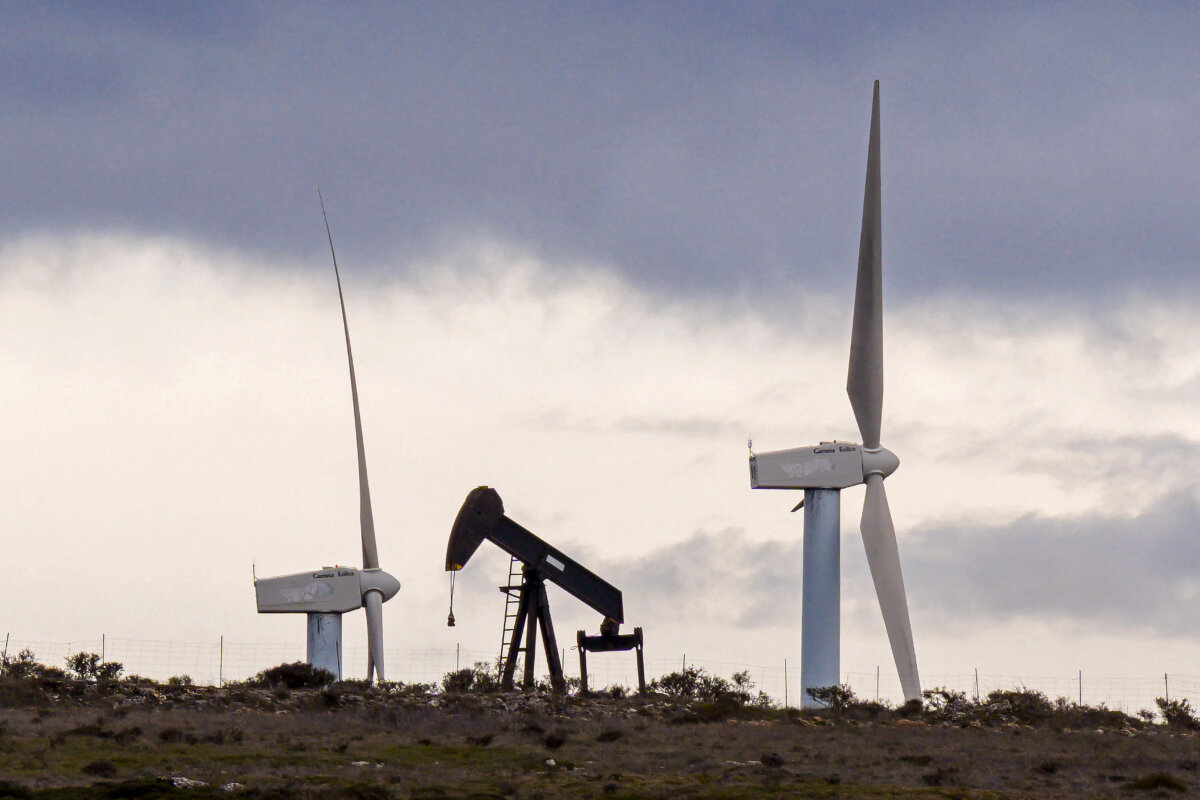

A federal court has quashed a lawsuit objecting to federal supervision of oil and gas operations in the Gulf of America following the government’s steps of exempting those activities from the Endangered Species Act (ESA), citing national security reasons.
The U.S. District Court for the District of Maryland decreed the case moot and said it did not hold jurisdiction to continue. The dismissal comes after the Endangered Species Committee’s unanimous March 31 move to exempt all Gulf of America oil and gas operations from the ESA.
The committee made the decision after the secretary of war concluded an exemption was required for national security reasons, marking the first time the committee has issued an exemption based on national security reasons.
The exemption rescinded the legal foundation for the National Marine Fisheries Service’s 2025 biological opinion and incidental take statement regarding those activities.
Without underlying ESA requirements to enforce, the documents “retain no legal force,” the Justice Department said Thursday when announcing the court decision.
“The Endangered Species Committee’s exemption reflects a judgment at the highest levels of government that producing American energy in the Gulf of America is essential to our national security,” Principal Deputy Assistant Attorney General Adam Gustafson of the Justice Department’s Environment and Natural Resources Division said in a statement. “Today’s decision clears away litigation that threatened development in the Gulf, in furtherance of President Donald J. Trump’s directive to unleash American energy.”
The Endangered Species Committee is composed of six senior federal officials and is chaired by the secretary of the interior.
Congress empowered the panel to exempt agency actions from Section 7 of the ESA and directed it to grant an exemption whenever the secretary of war finds national security requires it. The exemption now governs the Gulf oil and gas program. ESA rules cannot be deployed to disrupt energy production that the government views as key to the nation, the department said.
Attorneys with the Environment and Natural Resources Division’s Wildlife and Marine Resources Section handled the matter for the government.
The decision marks a significant change in how ESA applies to major energy projects in the Gulf.
Section 7 generally requires federal agencies to consult with the National Marine Fisheries Service prior to taking actions that could affect endangered or threatened species or their critical habitat.
The service examines potential impacts and, if appropriate, issues a biological opinion and an incidental take statement to allow limited harm to protected species if steps are taken to minimize effects.
The dismissed lawsuit challenged the 2025 biological opinion and incidental take statement for Gulf oil and gas operations. The exemption nullified those documents as irrelevant to the projects, putting an end to the legal dispute over their validity or sufficiency.
By dismissing the case, the court did not have to issue a ruling on the substance of the environmental claims.
The result precludes one potential legal case that could have delayed or impacted energy development in the region.
 Friends Read Free
Copy
Facebook
Tweet
Friends Read Free
Copy
Facebook
Tweet