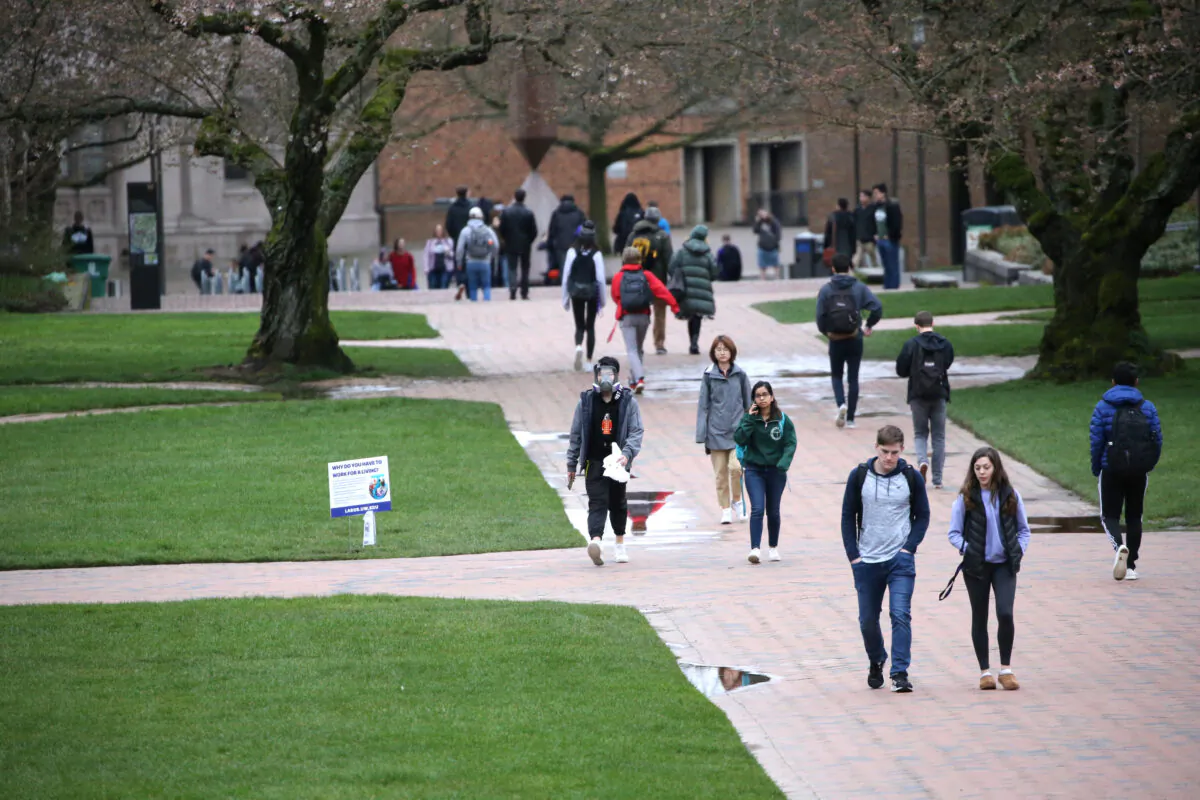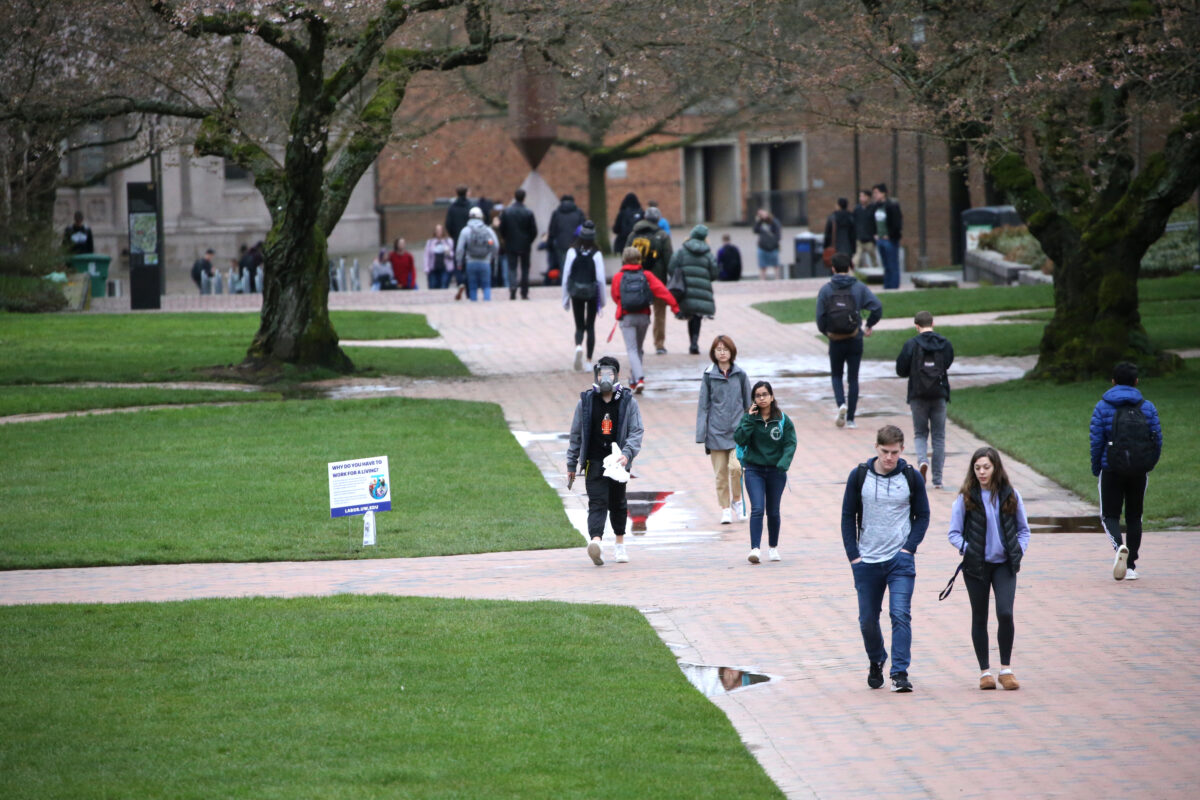

University of Washington professor Stuart Reges was exercising free speech when he parodied his employer’s official statement that the land encompassing the Seattle school belongs to local indigenous people, federal judges have determined.
The U.S. Ninth Circuit ruled in a 2–1 decision Dec. 19 that the university violated Reges’ First Amendment Rights when they punished him for including on his course syllabus a satirical take on the school’s official land acknowledgement statement.
The decision overturned a lower court ruling that was in favor of the university. Reges sued in 2022, alleging that other employees harassed him over his parody and created a competing computer science course so students could avoid the professor, according to a news release from the Foundation for Individual Rights and Expression, which represented Reges.
The official land acknowledgement statement says the university sits on land owned by the Coast Salish indigenous group that populated the area before Europeans arrived.
By contrast, Reges’ Jan. 3, 2022, syllabus said, “I acknowledge that by the labor theory of property the Coast Salish people can claim historical ownership of almost none of the land currently occupied by the University of Washington.”
A student Diversity Equity and Inclusion (DEI) Committee submitted a complaint about “offensive language” in Reges’ parody to other faculty members and administrators, who asked the computer science professor to remove the statement, according to court papers.
He refused to remove his statement from the document, but the university staff removed it from the online syllabus. Reges pushed back, conducting interviews with local media and informing everyone on the University of Washington’s “diversity allies” mailing list that the parody will be included on paper copies of his future syllabi, according to court papers.
A faculty committee investigation determined that Reges’ actions violated university policy and caused “significant disruption.” Administrators then warned him that any further disruptions would violate the university’s affirmative action policies and could result in sanctions against him.
In the July 2022 lawsuit, a district court ruled that the university’s actions against Reges did not constitute First Amendment retaliation or viewpoint discrimination. The higher court’s ruling, more than three years later, however, said otherwise.
“Reges also sought to situate land acknowledgments within a broader agenda of diversity, equity, and inclusion, which he opposes. Reges’s statement waded into a significant public debate about land acknowledgments and the political environment that favors them. As UW acknowledges, there is a live controversy even in the field of Native American studies over land acknowledgments. Reges’s speech, however misguided one might regard it, was core political speech that merits the highest First Amendment protection,” the Dec. 19 ruling reads.
Reges said that after 39 years of teaching, his fight for free speech almost cost him his “dream job.”
“I hope my victory will help inspire others to push back against those who have been attempting to limit free speech on college campuses,” he said in the news release.
David Rey, the university’s associate director of strategic communications, said Reges has maintained his faculty position and teaching duties since this case began. The university is still considering its next steps in this matter.
“We maintain that we have a responsibility to protect our students, and that the University of Washington acted appropriately,” Rey said in an email to The Epoch Times.
 Friends Read Free
Copy
Facebook
Tweet
Friends Read Free
Copy
Facebook
Tweet