
Warning letters from the Federal Trade Commission (FTC) have been sent to social media influencers and two trade associations over online endorsements of aspartame, an artificial sweetener, and promoting products containing sugar.
According to the Nov. 15 press release from the FTC, at least a dozen online health influencers have failed to provide adequate disclosures about monetary compensation they may have received for promoting the products in their Instagram and TikTok posts.
The FTC alleges that the American Beverage Association (AmeriBev) and the Canadian Sugar Institute may have violated the FTC Act by failing to adequately disclose they hired influencers to promote the safety of aspartame and the consumption of sugar-containing products.
AmeriBev is a government lobbying group representing the beverage industry in the United States. Its members include producers and bottlers of soft drinks, such as The Coca-Cola Company, PepsiCo, and Keurig Dr Pepper. The Canadian Sugar Institute is a food industry association representing all Canadian refined sugar manufacturers.
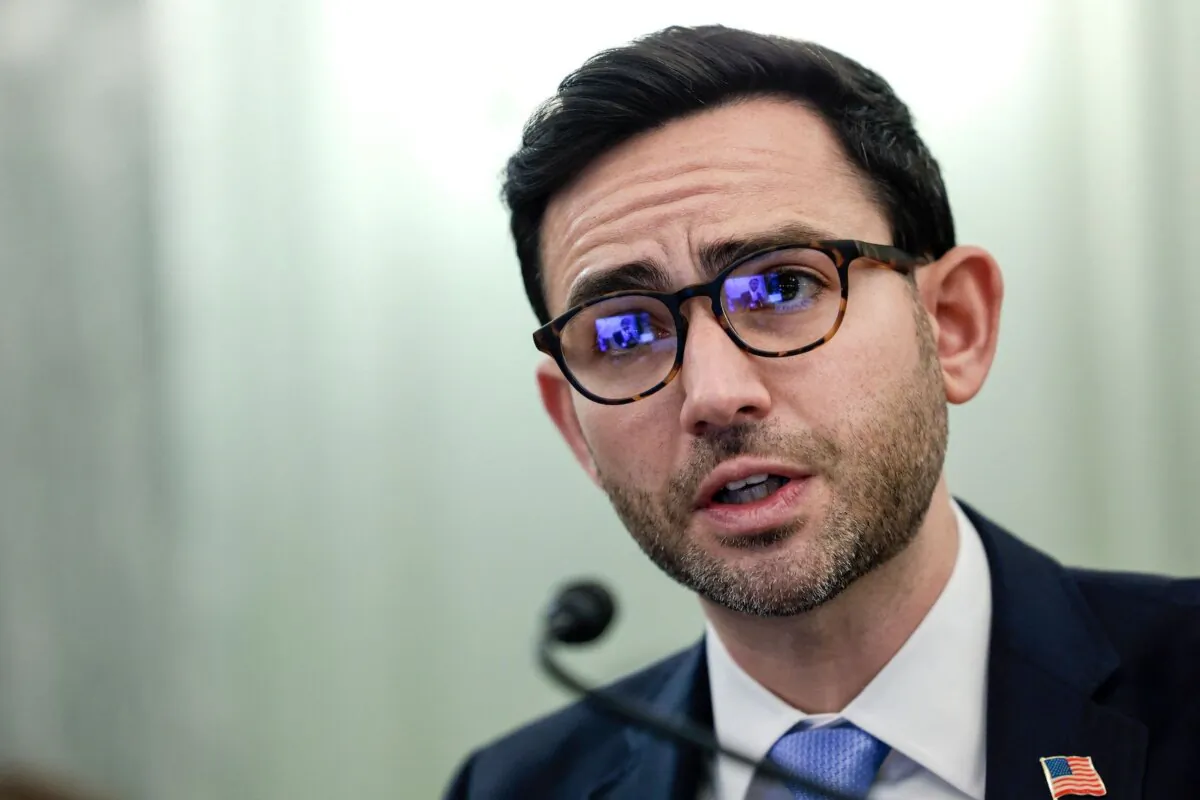
“It’s irresponsible for any trade group to hire influencers to tout its members’ products and fail to ensure that the influencers come clean about that relationship,” said Samuel Levine, Director of the FTC’s Bureau of Consumer Protection.
“That’s certainly true for health and safety claims about sugar and aspartame, especially when made by registered dieticians and others upon whom people rely for advice about what to eat and drink.”
In the letters sent out to the influencers and trade groups, the FTC says its Endorsement Guides require the connection between an endorser and the company marketing a product that could affect weight or credibility to be outlined in a “clear and conspicuous” manner.
Essentially, if an influencer is getting paid to shill a product by a company, they need to make that very clear to people who might watch the video to ensure people can make a fair decision about whether to buy and consume the product.
The letters further state the FTC has several other specific concerns, such as a lack of disclosure over the connection to the trade groups in the actual videos, text disclosures being too hard to find or vague and the use of a “paid partnership” disclosure tool.
“The Commission has previously expressed concerns about the conspicuousness of such built-in disclosure tools alone. We think it is too easy for viewers to miss seeing the paid partnership disclosure in these posts,” the letters read.
The FTC’s action follows the recent revision of the Commission’s Guides for Endorsements and Testimonials and is part of the agency’s continued monitoring of influencer marketing.
According to the FTC letters, future offenses concerning misleading endorsements could attract civil penalties of up to $50,120 per violation. Everyone involved was also asked to contact agency staff within 15 days and detail any actions taken, or that will be taken, to address the FTC’s concerns.
American Beverage Association Denies Wrongdoing
In a statement to The Epoch Times, a spokesman for the American Beverage Association denied that the organization had attempted to mislead consumers about the social media partnerships.
On the contrary, William Dermody Jr., vice president of Media and Public Affairs for AmeriBev, says the company has done everything in its power to be transparent with consumers. He also pointed out that the content of the posts has not been called into question at all, only alleged issues around disclosures with consumers.
“We took proactive, prudent, and meticulous steps to be transparent about our partnership with credible experts who spoke to the science behind the safety of aspartame and the FDA’s determination that it is safe,” he said.
“Importantly, no question has been raised about the substance of these posts,” Mr. Dermody added.
Going forward, Mr. Dermody says, AmeriBev will continue disclosing all partnerships it has with influencers and dietitians to ensure that consumers are kept in the loop.
“We will continue our ongoing commitment to disclose the relationship between dietitians and American Beverage and we appreciate the FTC’s guidance on how to best ensure transparency for consumers,” he said.
WHO Warnings on Aspartame
In the past, the World Health Organization (WHO) has classified aspartame as “possibly carcinogenic to humans.” However, the sweetener is still considered safe to consume by WHO if the recommended intake of 40 milligrams of aspartame per kilogram of body weight is followed.
According to researchers at Florida State University College of Medicine, after conducting a four-year animal study, they found an increased risk of anxiety associated with the use of aspartame.
WHO has also recommended further research on aspartame to determine more definitively whether or not it causes cancer. Sugar has always been found to have a whole host of health problems attached when consumed in high quantities, including obesity, diabetes, and cardiovascular disease.
The Epoch Times has reached out to the American Beverage Association (AmeriBev) and The Canadian Sugar Institute for comment but did not hear back by the time of publication.
Update: This article has been updated with comment from the American Beverage Association.
 Friends Read Free
Copy
Facebook
Tweet
Friends Read Free
Copy
Facebook
Tweet