The Trump administration negotiated critical minerals pacts with nations across three continents in 2025, a pace that will accelerate in 2026 as the United States and trading partners integrate mining and processing capacities to break free from China’s manipulation of global metals markets.
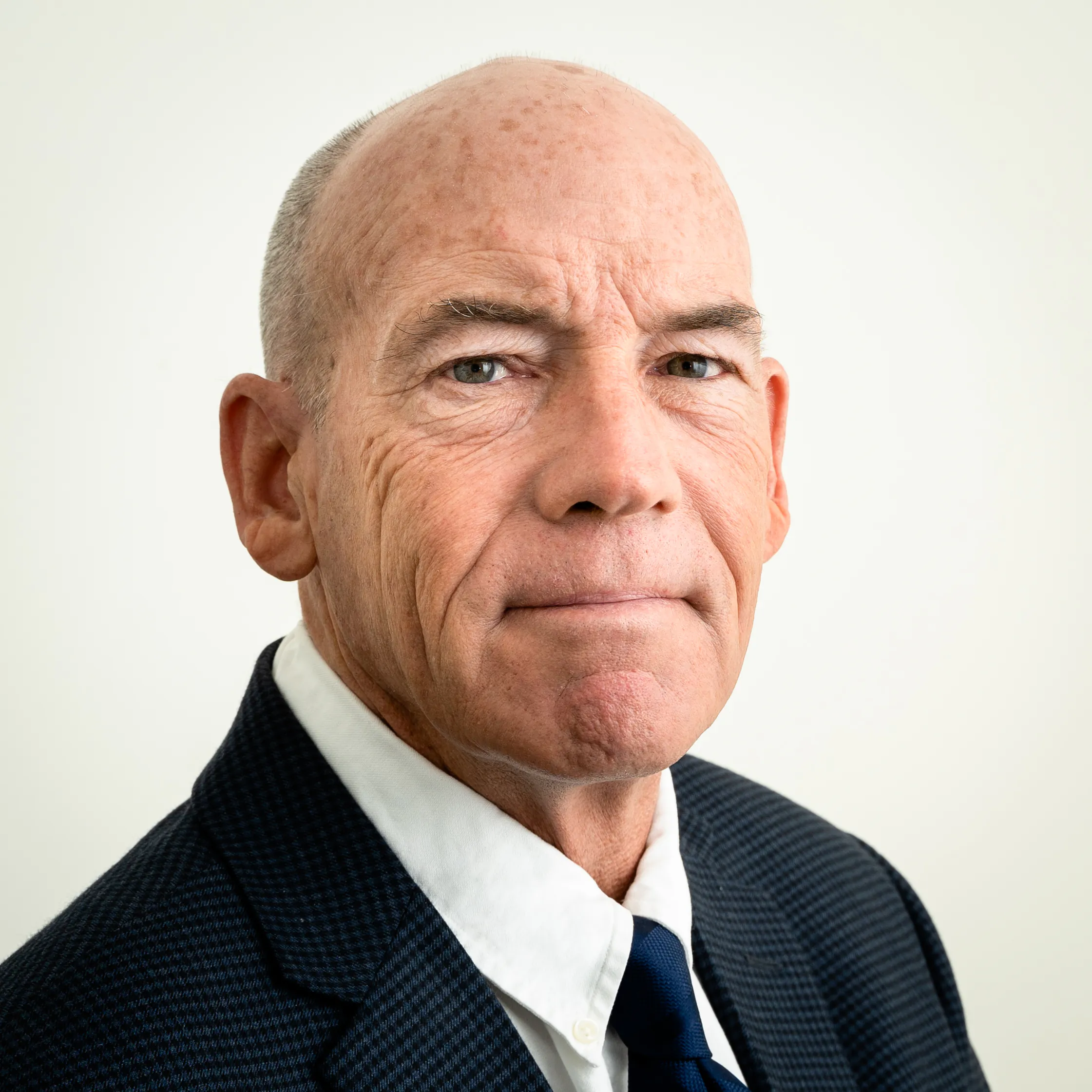
“We have at least a dozen more [pacts] we are discussing that I don’t think have been made public yet with countries around the world,” State Department Acting Deputy Assistant Secretary Reggie Singh said.
“The strategic impetus behind these is to build this ecosystem of private sector investment among all the countries we’re signing [memorandums of understanding] with,” Singh said during a day-long Center for Strategic and International Studies (CSIS) forum in Washington on Dec. 15.
The United States and trading partners must work together because the Chinese Communist Party (CCP) has spent decades tightening its grip on global supply chains, producing more than 70 percent of the world’s refined critical minerals and 90 percent of the rare earths that manufacturers, including defense contractors, need.
The first year of the second Trump administration “has been a busy year for critical mineral diplomacy,” with such pacts “becoming a pillar of U.S. foreign policy,” said Eric Palomaa, director of the CSIS Hess Center for New Frontiers, during an interview with Singh at the CSIS forum.
It was one of the forum’s seven exchanges with industry executives, administration officials, and congressional leaders, including Sens. Catherine Cortez Masto (D-Nev.) and Bill Hagerty (R-Tenn.).
The CCP’s domination of critical mineral supply chains is a generational problem, according to Palomaa.
“But we don’t have a generation to fix what China has built over a long period of time,” he said.
That will require deals for access to critical mineral deposits with nations across the world and investment in public-private partnerships to “counter China’s Belt and Road Initiative” and diversify supply chains, he said.
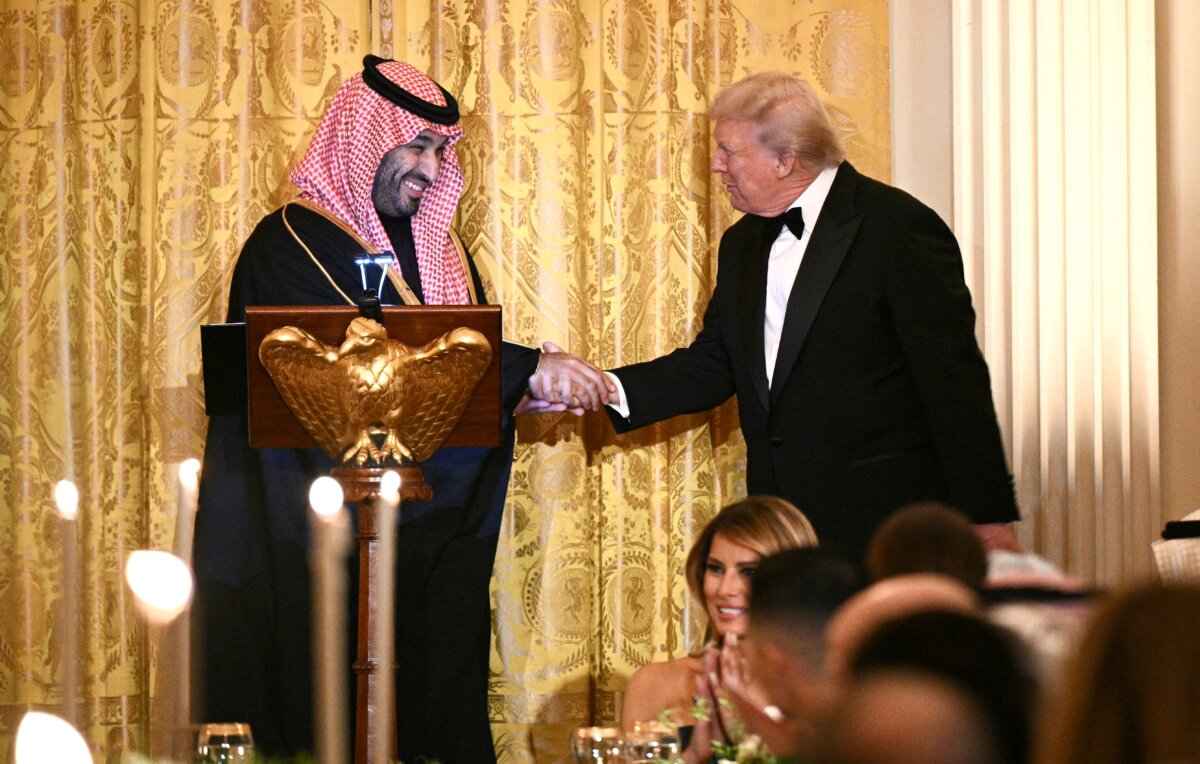
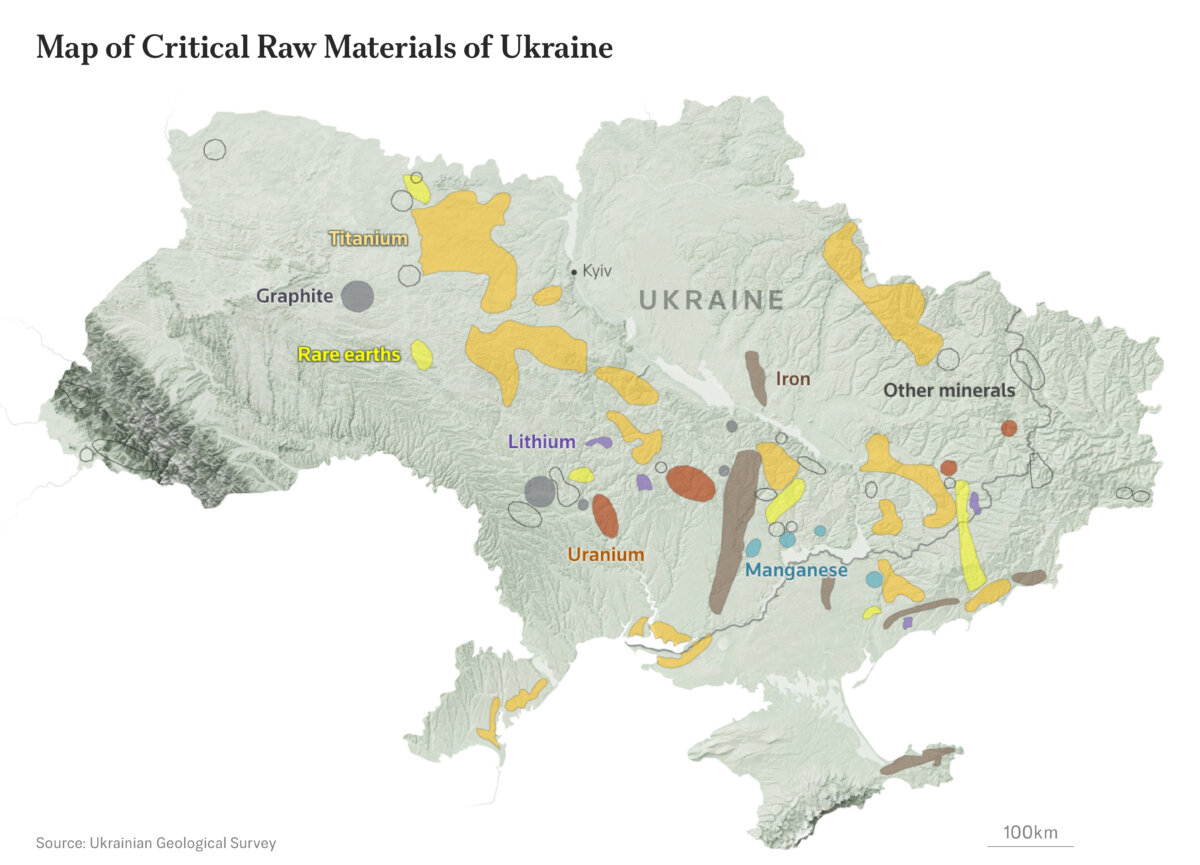
Agreements with “traditional partners like Australia” and nations with processing expertise such as Japan and South Korea were signed in 2025, he said, as were pacts with “new strategic partners,” including Saudi Arabia, Kazakhstan, Ukraine, Malaysia, Thailand, and Congo.
Singh said: “In the first quarter of 2026, perhaps we’ll get more of these signed, and we’ll have a critical mass of countries where we can coordinate policies with them to strengthen the critical mineral supply chain. It will be exciting in 2026.”
New Tools, Big Bucks
Gracelin Baskaran, director of the CSIS Critical Minerals Security Program, said in one of three panel discussions she moderated with industry leaders that China has been “using its foreign policy toolkit to secure minerals from around the world” for more than 40 years but that under the Trump administration, “[the United States] kind of took a page out of China’s playbook” with mineral pacts and direct federal investment in mining and processing projects.
Recent examples in the United States include the Department of Energy’s 5 percent stake in Lithium Americas and 5 percent share in its Nevada project; a 10 percent stake in the Alaska mineral development of Canada-based Trilogy Metals; and the Department of War’s 15 percent stake and $400 million stock purchase in the Mountain Pass rare-earths mine in California owned by MP Materials.
Such federal investments are now set to bolster overseas development, Baskaran said, calling the U.S. International Development Finance Corp. (DFC) and Export–Import Bank of the United States “the most significant contributors to advancing U.S. minerals diplomacy.”
Tom Haslett, DFC director of critical minerals and energy policy, said the agency, established in 2019 as the federal government’s international investment arm, is poised to dramatically scale up global coordination through the Critical Mineral Consortium led by UK-based Orion Resource Partners, funneling $600 million into it.
The consortium has also secured a $600 million stake from ADQ, based in Abu Dhabi, United Arab Emirates, and the United Arab Emirates sovereign wealth fund, Haslett said, “bringing capital from an international trade partner that can help … resolve constraints in the critical minerals supply chain.”
“[DFC has] been working to pivot our approach in the critical minerals and other sectors to align with the Trump administration’s points of emphasis in economic and national security spheres,” Haslett said.
“[The corporation has been] working behind the scenes to strengthen linkages with different parts of the U.S. government that are taking a leading role on the critical mineral supply chains front,” he said, noting that that includes organizations such as the Export–Import Bank of the United States and the Department of War.
Department of War funding for critical mineral mining and processing is about to get a boost in the proposed $901 billion defense budget, Haslett said, with a “maximum contingent liability” of $205 billion, up from $60 billion, and a $5 billion revolving equity fund.
“So that gives us a lot of room to run … take more direct stakes and give more influence to the U.S. government in sectors where there’s a strategic rationale for doing so,” he said.
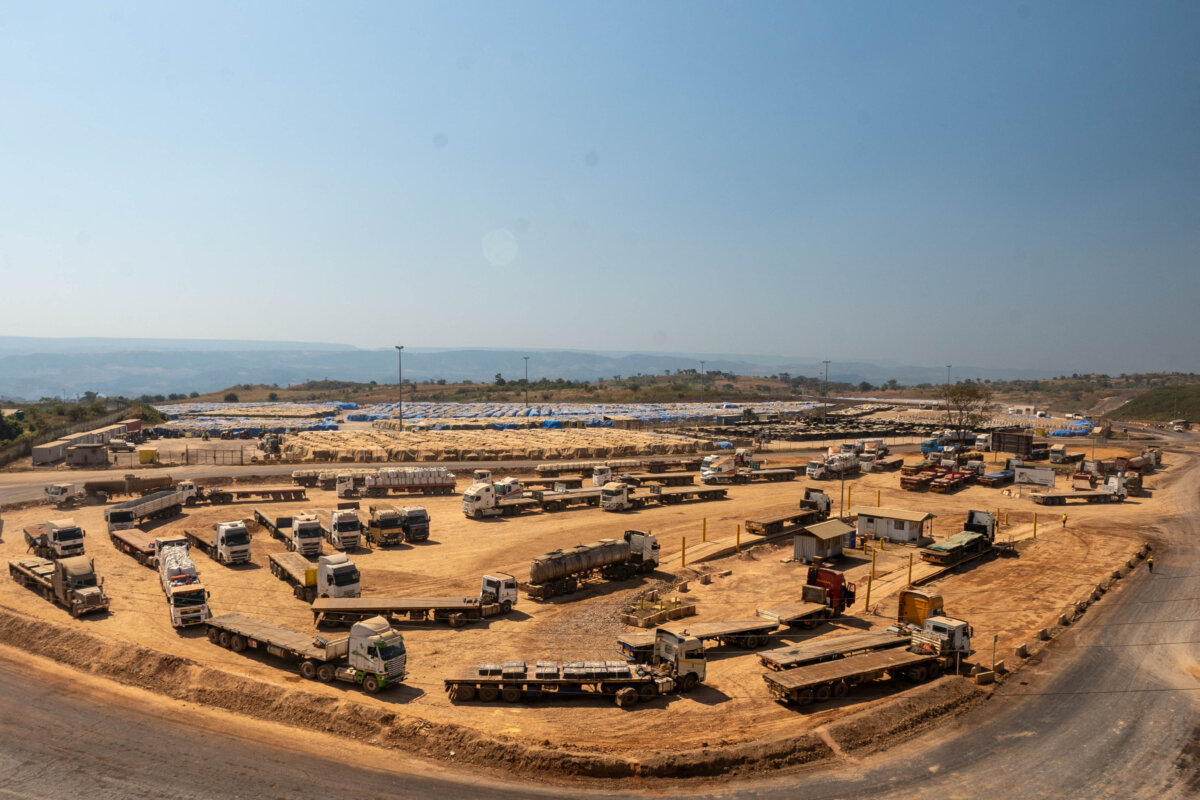
(Emmet Livingstone/AFP via Getty Images)
‘Brand Equity’
Cortez Masto told Baskaran that during a recent tour of Africa, she was disturbed by how many mining developments the CCP is financing on the continent. However, she said, according to industry and political leaders, “they’re eager for other partners,” as evidenced by the recent U.S.–Congo deal.
Singh said: “If you look at Africa … countries that went all-in on investment with our strategic competitor over the past generation, they now have seen the downside of that. So they have an impetus to diversify.”
African and South American countries that bought into China’s Belt and Road Initiative have found it to be a one-way street, according to him.
“When they interact with Chinese mining companies, there tends to be less local value-add,” Singh said.
“In many cases, Chinese workers are imported at all levels of organization, and you know, there’s a lack of local benefit—often it’s just the crude minerals being exported.”
That is not how Western miners operate, according to Singh.
“You’ll find there’s an ethos of doing the right thing from the beginning,” he said. “That works to our advantage. As opposed to what our strategic competitor has, [Western corporations] have some brand equity. That really has a powerful pull in a lot of developing countries.”
Emily Olson, chief sustainability and corporate affairs officer for Brazilian-owned, Canada-based Vale Base Metals, agreed, noting that her company brings jobs and community engagement to every project it initiates.
“You start with jobs, right?” she said. “We see this a lot in Asia, where [China] invests in big projects, brings a Chinese workforce in to do Chinese projects, and then you do not have the benefit of developing and building that local economy.”
“In all my experience, ensuring that job creation piece is real will be very important [in shifting development away from China],” she said.
Shared equity, a sense of local ownership with the promise of enduring benefit beyond the mine’s lifespan, has been part of the success of Vale Base Metals, according to Olson, and has paid dividends for Vale in resolving issues and currying good relationships with local and national leaders.
“I fully believe in doing the right thing,” she said.
“We need to really think about that as mining [companies] as we join with government and private equity to think about how we advance these projects at scale and at pace and what that role of the community needs to be.”
 Friends Read Free
Copy
Facebook
Tweet
Friends Read Free
Copy
Facebook
Tweet