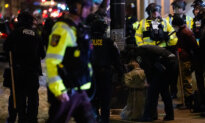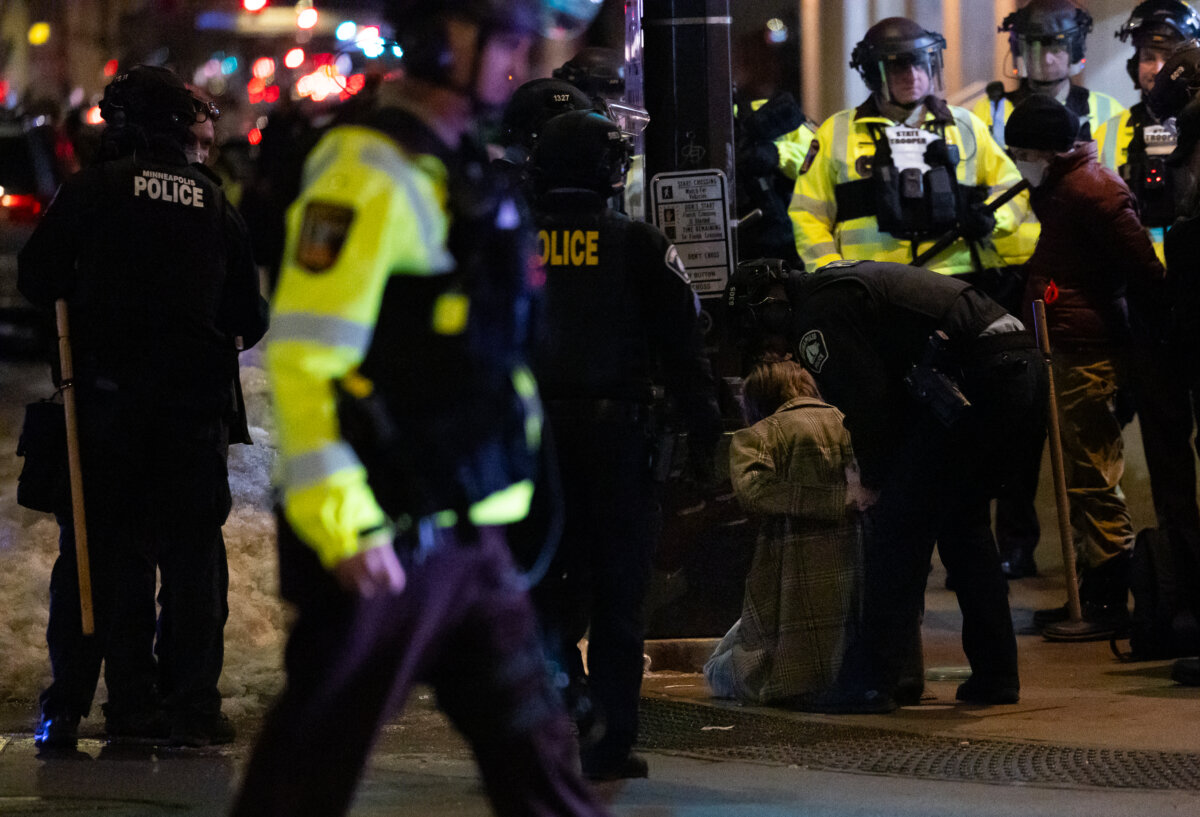

Videos of police, fire, and medic crews can draw millions of online views—along with a moment of fame and a paycheck for the videographer.
That’s an accepted part of reality for emergency workers, said Jeremy Thompson, police chief in Elizabethtown, Kentucky. But first responders object when people get very close, try to provoke reactions, and heighten risks for everyone in tense, “dynamic” situations, he said.
“A lot of people are jumping in the middle of these scenes where they don’t belong,” Thompson told The Epoch Times.
He urges people: “Just give us our space to work and then do whatever you want—drive your content, post your videos. But … it’s irresponsible and unsafe to be that close.”
That’s why the Kentucky Association of Chiefs of Police supports a proposed law that would set up a 25-foot buffer zone to shield first responders from interference, said Thompson, a member of that group’s executive leadership team.
The Bluegrass State became one of the latest states to move forward with this type of law, which calls for balancing safety against the public’s right to scrutinize and record public servants’ actions. Both houses of the state legislature have approved the legislation, which was presented on March 31 to Gov. Andy Beshear, a Democrat, for his signature.
These measures seek to create an interference-free “halo”—a designated area that gives first responders room to do their jobs, Thompson said.
Andrellos Mitchell, a Washington attorney, said of the issue: “Only in America would immigration officers, law enforcement, or first responders have to tell the public to stay out of the way while they are doing their jobs. That is absolutely asinine.”
A person’s right “to assemble, protest or simply be present in a public space” cannot overshadow public safety or law and order, he told The Epoch Times. “No matter who you are, you should not be allowed to interfere with them doing their jobs.”
Halo-law proposals are progressing in several states, including Kentucky, Massachusetts, and South Carolina.
More states likely will follow suit, given the “current political atmosphere,” Mitchell said.
Lawful Protest Versus Unlawful Interference
Networks of protesters, in states ranging from California to Minnesota, have been opposing a crackdown on illegal immigration that President Donald Trump resumed after he returned to office as the 47th president last year.
“In many cases, these protesters are not just exercising rights—they are interfering, intimidating, and obstructing law enforcement,” Mitchell said.
In January, following weeks of escalating confrontations, officers fatally shot two Minnesotans during separate immigration-enforcement operations. Shortly afterward, the National Police Association announced its support for a proposed federal Halo Act.
U.S. Sen. Ashley Moody (R-Fla.) sponsored that bill last fall, months after such a law took effect in her home state.
Moody’s proposal would “help prevent tragic outcomes by creating buffer zones between federal immigration officers engaged in enforcement activities and the public,” a National Police Association statement said earlier this year.
“Those who distract, impede, or attempt to harm officers create high-risk situations for themselves, law enforcement, and other members of the public,” the statement said. “Some of these scenarios, unfortunately, and unnecessarily, escalate into tragedy.”
Supporters see these laws as common-sense safeguards for first responders who have been subject to increasing violence for years. The laws are intended to protect bystanders and protesters alike, they say.
Detractors, however, have challenged halo laws as unconstitutional attempts to stifle the rights of journalists and other citizens.
Constitutional or Not?
Long before the fatal shootings in Minnesota, court challenges blocked halo laws in at least three states: Arizona, Indiana, and Louisiana.
Arizona became the nation’s first state to enact a halo law in 2022.
In 2023, a federal judge ruled the Arizona law was unconstitutional because it “prohibits or chills a substantial amount of First Amendment protected activity.” Further, the judge said, it was “unnecessary to prevent interference with police officers given other Arizona laws in effect.”
However, in February, a federal judge refused to block Tennessee’s 2025 halo law while a legal challenge from media organizations continues, according to the Tennessee Lookout, which is part of the lawsuit.
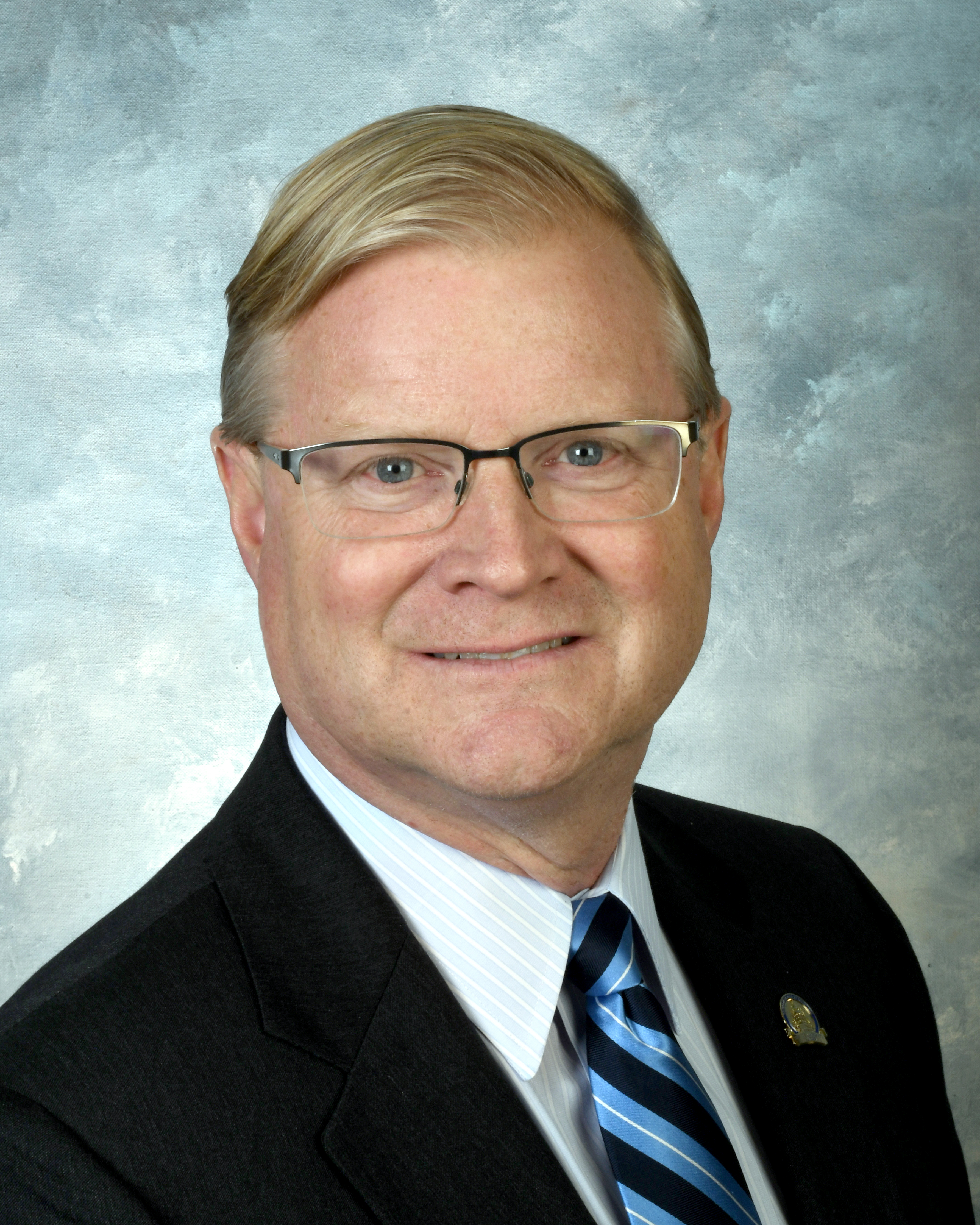 Kentucky Sen. Matt Nunn. (Courtesy of Kentucky Legislative Research Commission)
Court fights over halo laws are predictable, Mitchell said, with the issue turning on “whether the law is narrowly tailored to protect officer and public safety without unnecessarily restricting constitutional rights.”
When first responders are trying to save lives, maintain safety, or put out fires, “we don’t need additional distractions,” Thompson said.
“The last thing we need to be worried about is, ‘Who is this individual putting a cell phone two feet from my face, screaming at me that I’m violating a constitutional right that they couldn’t quote if their life depended on it?’”
Kentucky Sen. Matt Nunn said his halo law proposal is patterned after Florida’s law with one goal in mind: “Safety for all.”
“First responders, the citizens they are serving in the moment, and anyone else on the scene—including protesters—need and deserve to be safe,” Nunn said in a video explaining his version of the halo law earlier this year.
After a verbal warning, people who impede, threaten, or harass a first responder within a 25-foot radius could face criminal charges. A maximum 90-day jail sentence may be imposed upon conviction of this “Class B Misdemeanor” offense. Repeat violations would carry stiffer penalties.
The law “draws a firm line between peaceful protesting and observing, and the inappropriate act of interfering,” the Republican state senator said.
“This law protects constitutional rights,” he said. “The right to peacefully assemble and protest grievances is a core value that our entire nation must treasure and protect.”
Beyond public gatherings, provisions of the bill can make a difference in domestic-abuse situations, and when medics are trying to help patients, Nunn said.
“The Halo Act is about making sure the people who run toward danger have the space they need to do their jobs,” he said.
 Friends Read Free
Copy
Facebook
Tweet
Friends Read Free
Copy
Facebook
Tweet