
Elizabeth Cockrill Taylor’s first run for a school board seat in the Roaring Fork School District election in Glenwood Springs, Colorado, this year was an unforgettable experience.
After her campaign signs were repeatedly stolen from a busy location, Taylor planted two more signs containing concealed Air Tags.
Stolen as expected, the signs were traced to the home of an elementary schoolteacher in the district who was later charged with theft, election interference, and evidence tampering, the Eagle County Sheriff’s Department verified to The Epoch Times.
Taylor, who has criticized the district’s required gender pronoun and DEI (diversity, equity, and inclusion) policies, lost by a wide margin. Although school board candidates don’t run on party lines, she called the contest political, partisan, and downright nasty.
November school board races throughout Colorado and other states, notably Texas, Pennsylvania, and Ohio, saw gains by progressive candidates. This follows an era when reform-minded school board candidates, often conservative, won seats after challenging DEI, transgender ideology policies, and critical race theory curricula in recent years.
“I was thinking that maybe we’re insulated from that because it’s a more rural district,” Taylor, a registered Republican, told The Epoch Times. “But no.”
News coverage of school board races in various states indicates that liberals this year pushed back with concerns about school safety, academic accountability, and threats to federal funding under President Donald Trump.
“You have to find topics that the left cannot duplicate,” Ted Mische, a National School Boards Coalition volunteer who trains conservative school board candidates in Colorado, told The Epoch Times. “There’s a hard focus on copying word-for-word responses on fiscal conservancy, transparency, and test scores.”
Mische said that of the 23 candidates he worked with this past election cycle, 13 won and 10 lost. But statewide, he said, progressive candidates largely unseated conservative incumbents.
He said he plans to help his peers in Texas and Georgia. School board elections in those states over the past year have followed similar trends, with liberal candidates enjoying a competitive advantage through support from teachers unions and political action committees.
“I focus on community engagement,” Mische said. “Don’t try to compete with the left on money.”
Still, right-leaning organizations are prepared to fund school board candidates in the months ahead. Stefano Forte, executive director of the 1776 Project, said that his political action committee will continue to support candidates in Texas and Pennsylvania.
Democrats “have chosen to prioritize a woke culture war agenda” instead of things that parents and school communities care about, he said in an email response to The Epoch Times.
“We are focused on the quality-of-life issues that matter to parents: school safety, budget transparency, and strong educational standards that benefit the communities the school board serves,” Forte said.
By contrast, the Pipeline Fund supports progressive school board candidates. Its website says, “School board members—who are 88 percent white and over age 40—are making critical decisions for a student population that is a majority young people of color.”
The National Education Association (NEA) teachers union said on its website that it supported progressives who flipped school board seats in Central Bucks County, Pennsylvania, the Cypress Fairbanks school district in suburban Houston, and several districts in Iowa and Colorado, where “77 percent of affiliate-endorsed school board candidates won in each state.”
Becky Pringle, the NEA’s president, said on the organization’s website that her successful school board candidates cited swelling class sizes, threats to special education funding, and cuts to the Supplemental Nutritional Assistance Program (food stamps).
“Voters said loud and clear: Enough,” Pringle said.
Neal McCluskey, director of the Cato Institute’s Center for Educational Freedom, said the school board elections indicate that voters are experiencing “culture war fatigue.”
“You can only be angry for so long,” he told The Epoch Times.
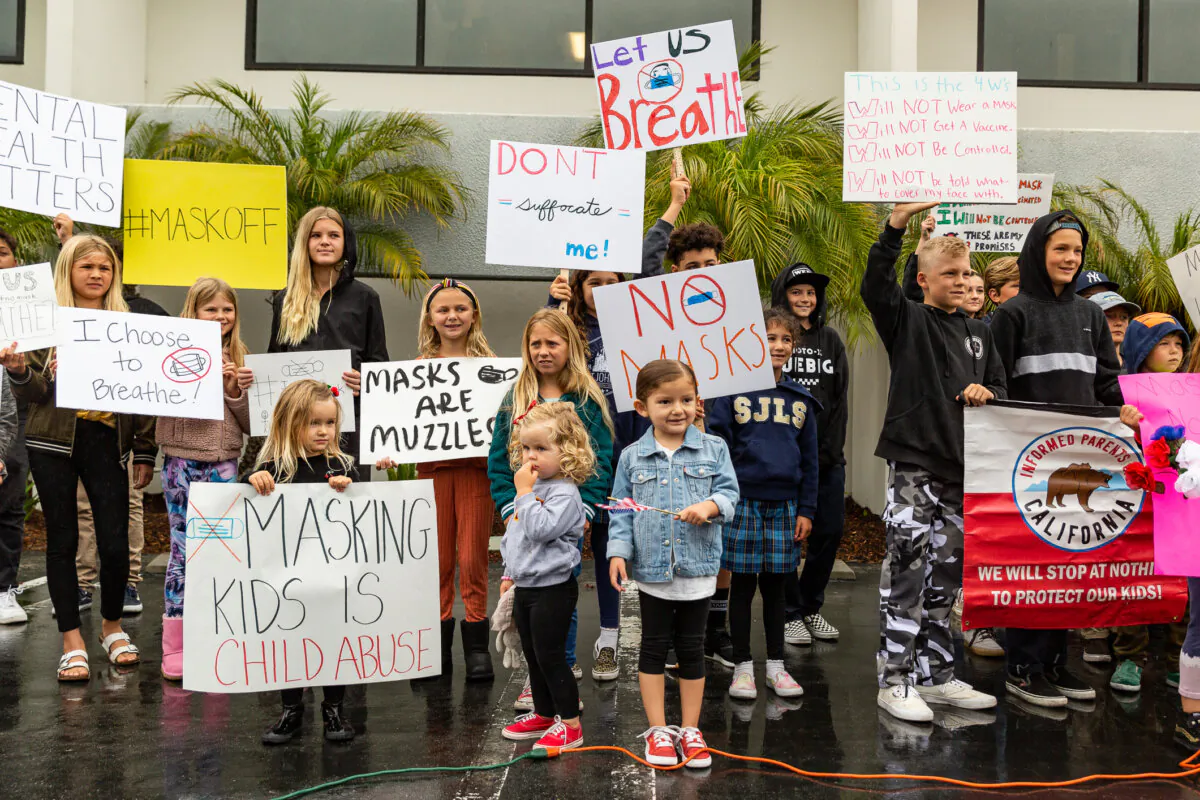
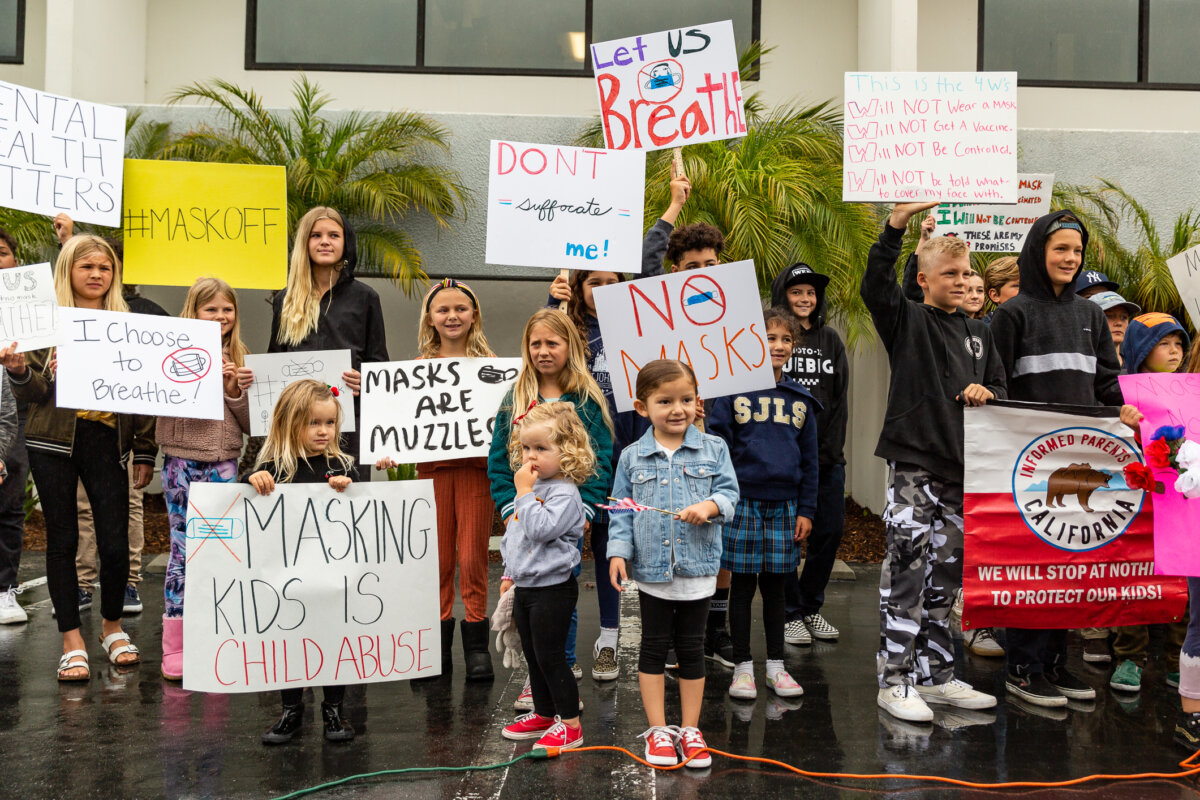
The culture war at issue, which Cato tracks as identity-based conflicts, largely dates back to the COVID-19 pandemic, when parents were angry about school closures and mask and vaccine mandates. Heavier scrutiny of K–12 schools at that time also revealed that most people were unaware of controversial curricula such as critical race theory and transgender ideology, McCluskey said.
Subsequently, conservative school board candidates enjoyed success in many parts of the country. Since then, however, many controversial issues, such as book battles, have moved from the district level to the state level. National issues have also distracted people from local school politics, potentially resulting in lower voter turnouts, McCluskey said.
The Cato Institute counted 298 identity-based conflicts this year through mid-November, compared with 565 in 2023.
“It’s definitely below the peak it was,” McCluskey said.
Vladimir Kogan, a professor of political science at The Ohio State University and author of the book “No Adult Left Behind: How Politics Hijacks Education Policy and Hurts Kids,” said that even though a vast majority of school board elections are run without party affiliation on the ballot, politics often play a role, even in off years when there are few national races.
Kogan noted a recent contest in the South-Western City School District in suburban Columbus, Ohio, in which every Democratic challenger on the ballot beat a Republican incumbent. Academic research dating back to 1969 suggests that state and local elections, including school board races, mirror the U.S. president’s popularity, he said.
“These are national waves,” Kogan told The Epoch Times. “This is a referendum on Donald Trump.”
The Epoch Times reached out to the Roaring Fork School District for comment but received no response.
 Friends Read Free
Copy
Facebook
Tweet
Friends Read Free
Copy
Facebook
Tweet