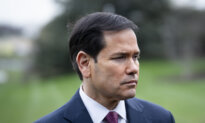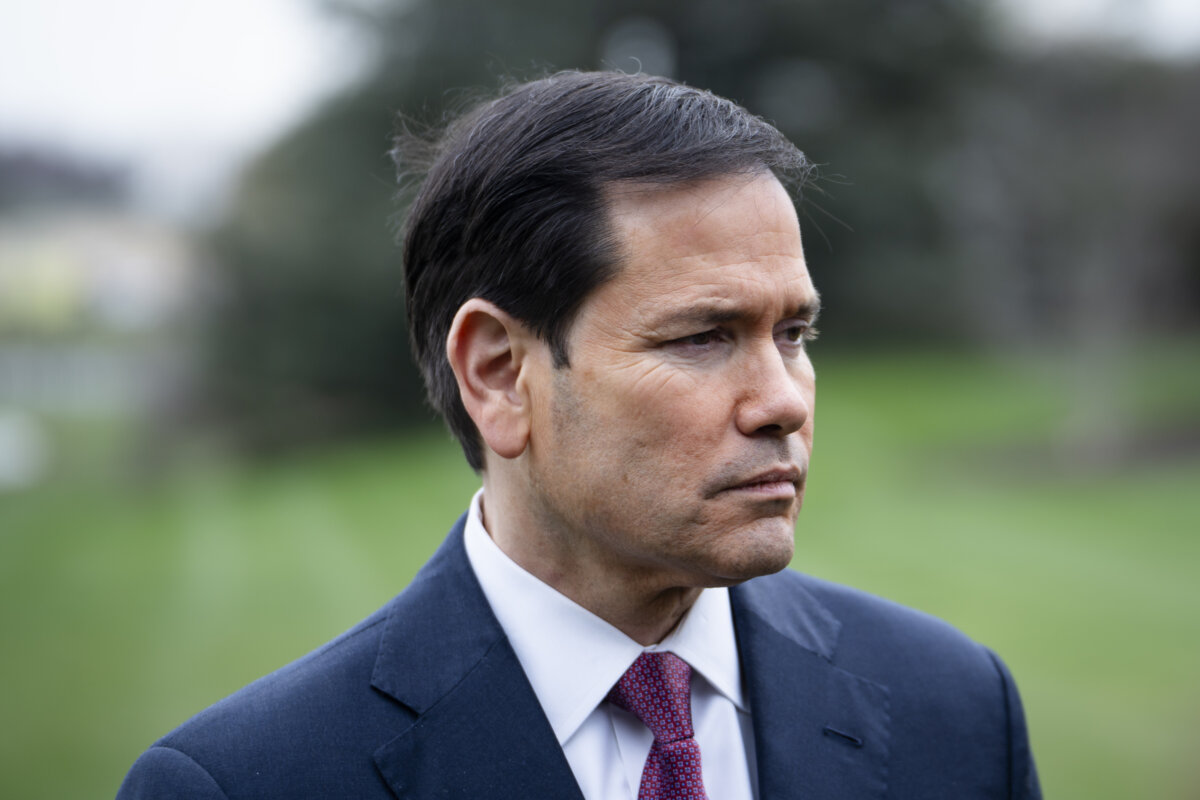

Secretary of State Marco Rubio is expected to testify this week in the trial of former Rep. David Rivera (R-Fla.), who is accused of secretly lobbying on behalf of Venezuela.
The trial begins on March 23, and Rubio is set to speak on March 24 about his relationship with Rivera, a longtime friend who was also his roommate during their time in the Florida Legislature.
Prosecutors claim that Rivera acted as a paid agent for former Venezuelan leader Nicolás Maduro, using his Republican connections from Congress to try to influence the White House to soften its stance toward Venezuela’s socialist government.
According to the allegations, Rivera secured a $50 million lobbying contract from Venezuelan official Delcy Rodríguez, with payments tied to state oil company PDVSA. Prosecutors say Rivera worked with Rep. Pete Sessions (R-Texas) and a convicted drug cartel associate to arrange meetings with U.S. officials and ExxonMobil. Sessions has not been charged.
The case highlights Miami’s long-standing influence on U.S. policy toward Latin America, particularly given its history as a hub for political exiles and anti-communist activism.
Rodríguez is also expected to come under scrutiny. Prosecutors say she relied on Rivera to organize meetings in major cities, including New York City, Washington, Dallas, and Caracas, Venezuela, in an attempt to build support for improving U.S.–Venezuela relations. Although those efforts initially failed, shifting political dynamics have since made such normalization more plausible.
Rivera was arrested and charged in 2022 with money laundering and failing to register as a foreign agent. Prosecutors allege that he used encrypted communications to conceal his work, including a chat group called “MIA” (for Miami). One of his key contacts was Venezuelan media figure Raúl Gorrín, who has also been charged in the United States with bribery.
According to prosecutors, members of the group allegedly used coded language: Maduro was referred to as “the bus driver,” Sessions as “Sombrero,” and money as “melons.”
Rivera denies all allegations. His legal team argues that his consulting firm was hired by a U.S.-based subsidiary of Venezuela’s oil company, not directly by PDVSA, meaning that he was not required to register as a foreign agent.
Rivera’s attorneys also claim that his work focused on helping Venezuelan-owned Citgo operate within the U.S. energy sector and that this was separate from his political efforts, which they say aimed to support a transition to more U.S.-friendly leadership in Venezuela.
However, a related civil lawsuit alleges that Rivera performed little of the contracted work and used the agreement to cover illegal lobbying. Of the roughly $20 million he received, prosecutors say $3.75 million was spent on maintaining Gorrín’s luxury yacht.
Although Rubio has not been accused of wrongdoing, prosecutors say Rivera viewed him as a crucial ally in gaining access to the White House.
According to court documents, Rivera met Rubio at his Washington home in July 2017 and later told him about efforts to persuade Maduro to agree to free elections. In a follow-up message, Rivera urged Rubio to support negotiations, writing that the United States should “facilitate” a peaceful solution.
After another meeting involving Rubio, Rivera, and Gorrín, Rivera allegedly suggested that Maduro would need to compensate him for arranging access to the senator, implying that such connections were essential to his efforts.
The initiative quickly fell apart. Later that month, U.S. President Donald Trump imposed sanctions on Maduro, calling him a “dictator,” and launched a campaign to remove him from power. Rubio subsequently publicly supported the administration’s hardline approach.
The Associated Press contributed to this report.
 Friends Read Free
Copy
Facebook
Tweet
Friends Read Free
Copy
Facebook
Tweet