
A coalition of 16 state attorneys general is questioning whether the nation’s largest accounting firms compromised their independence by committing to promote climate-related disclosures even when the information is not considered financially material.
The attorneys general sent a 38-page letter on Monday to Deloitte, Ernst & Young, KPMG, and PricewaterhouseCoopers, collectively known as the Big Four. The letter alleges that the firms’ climate commitments conflict with professional standards requiring auditors to remain independent, objective, and neutral.
According to the letter, the firms supported a climate-reporting framework calling for certain disclosures “independent of a materiality assessment.” Information is generally considered material when an investor would view it as important in making an investment decision.
Federal and state rules require auditors to be independent both in fact and appearance. Under Securities and Exchange Commission regulations, an accountant is not considered independent if an investor would conclude that the accountant is incapable of exercising objective and impartial judgment.
The attorneys general contend that promoting disclosures beyond what is financially material—while auditing climate information—could create the appearance that the firms are advancing a climate-policy objective rather than applying neutral accounting standards. They also allege a potential financial conflict because the firms not only audit companies’ climate reporting but also offer related environmental, social, and governance (ESG) consulting services.
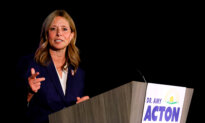
“The Big 4’s climate commitments force clients to make burdensome climate-related disclosures that drive up the costs of their services and place onerous requirements on farmers and small businesses,” said Nebraska Attorney General Mike Hilgers in a statement. “These costs will ultimately be passed onto consumers, who will be forced to bear the burden of increased prices for food, energy, and other everyday products.”
They cited SEC officials who have criticized the requirements as speculative, costly, and aimed at forcing companies to change their business operations.
None of the four accounting firms responded by publication time to an email from The Epoch Times seeking comment.
The attorneys general contend climate reporting presents particular concerns because it often relies on estimates about future government regulations, technology, and market conditions. They said some climate disclosures contain information that is not financially material and can be intended to influence how companies operate.
The letter cites SEC Commissioner Hester Peirce, who opposed the SEC’s 2024 climate-disclosure rule and described some climate disclosures as “high-priced guesses about the present and the future.”
In 2024, Peirce was critical of climate reporting requirements included in a new SEC rule for publicly traded companies. Peirce argued that climate disclosures can rely on uncertain projections and assumptions and impose significant compliance costs. She also warned that the requirements could affect smaller companies and suppliers that do business with public companies and expose businesses to increased litigation. Peirce voted against the rule, arguing that existing disclosure requirements already required companies to report material climate-related financial risks.
Peirce also characterized the requirements as “conduct-altering” disclosures that could cause companies to devote significant resources to climate-related activities.
Supporters of climate-related disclosures argue that standardized reporting gives investors better information about financial risks that companies face from climate change. When the SEC adopted its climate-disclosure rule in 2024, then-SEC Chair Gary Gensler said the requirements would make climate information more consistent and reliable and provide companies with clearer reporting standards.
“These final rules build on past requirements by mandating material climate risk disclosures by public companies and in public offerings. The rules will provide investors with consistent, comparable, and decision-useful information, and issuers with clear reporting requirements,” Gensler said in a 2024 statement.
The attorneys general also raised concerns about potential financial conflicts because the firms provide climate-related services to businesses. The letter questions whether accounting firms could benefit financially from increased demand for climate-disclosure assurance, sustainability reporting, and ESG consulting while also serving as independent auditors.
The letter asks the firms to provide information about revenue they have received during the past five fiscal years from climate-disclosure assurance, sustainability reporting, and ESG consulting services. It also seeks information about government contracts and the firms’ participation in organizations promoting climate-related commitments.
The attorneys general are asking the firms to explain how those activities comply with professional rules governing auditor independence, materiality, neutrality, integrity, and objectivity.
The attorneys general, all Republicans, represent Nebraska, Alabama, Alaska, Arkansas, Florida, Idaho, Iowa, Mississippi, North Dakota, Ohio, South Carolina, South Dakota, Texas, West Virginia, Oklahoma, and Montana.
 Friends Read Free
Copy
Facebook
Tweet
Friends Read Free
Copy
Facebook
Tweet