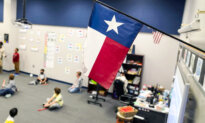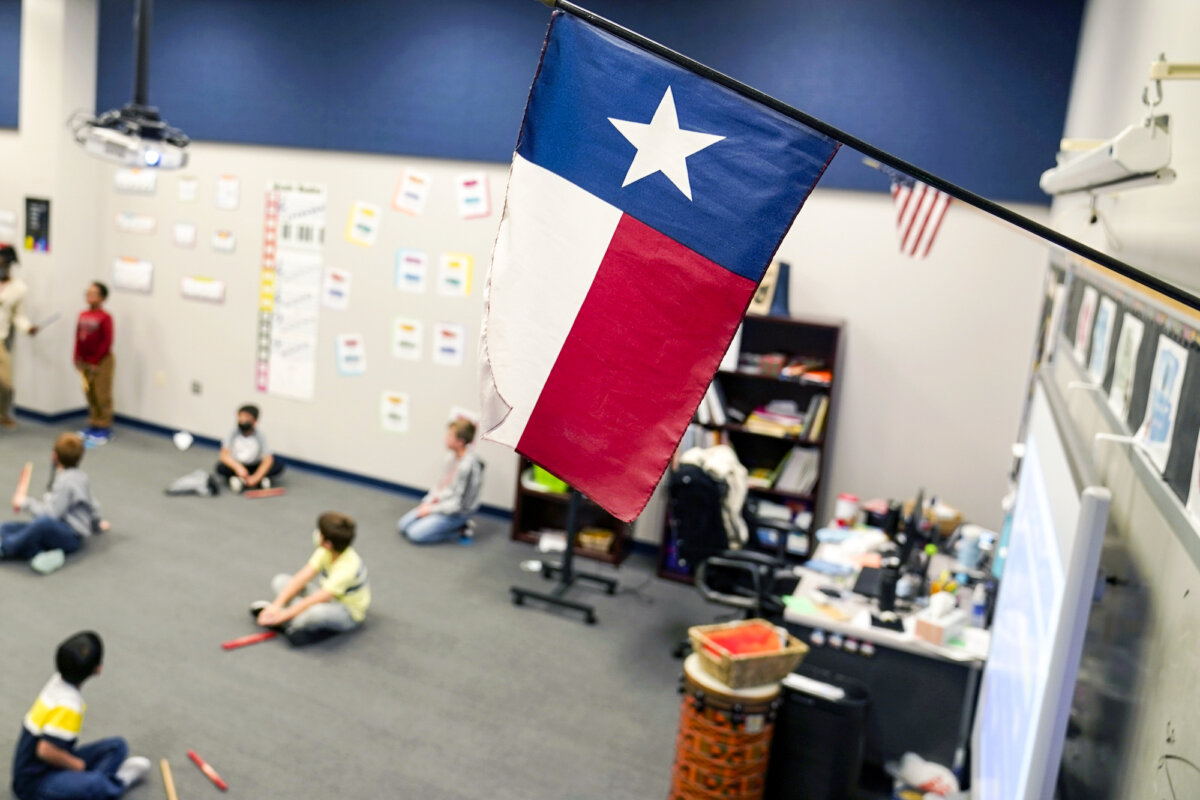

A more rigorous curriculum proposed for Texas public schools would have kindergartners read “The Cat in the Hat” aloud, sixth graders study the Gettysburg Address, eighth graders complete “To Kill a Mockingbird,” and high school seniors tested on their knowledge of “Pride and Prejudice.”
Moreover, multiple literary works—not just one per year as the current law stipulates—would be mandated for all grade levels. Students in the Lone Star State would also be exposed to historical documents such as the Federalist Papers and biblical passages, according to the Texas Education Agency’s recommended K–12 reading list.
The state’s Board of Education public comment window opened in May and will close on June 15. The board expects to vote on the list during its June 22 to June 26 meetings.
If approved, the requirements would take effect in the 2030–2031 academic year, the Texas Education Agency said in an email to The Epoch Times.
So far, many parents and state officials across Texas have supported the proposed reading list, while several teachers, students, and others have criticized it.
The most common complaint is that the list is too long. Opponents said requiring two books is reasonable, but anything beyond that infringes on their autonomy to select readings that they and students prefer.
They also said some of the works are too difficult for their proposed grade level, that the list doesn’t reflect the racial diversity of Texas, and that readings from the Bible violate the separation of church and state provisions.
Matilda Miller, a man who identifies as a transgender woman, did not state his affiliation during an April 7 State Board of Education hearing, but pushed back on the inclusion of biblical passages on the recommended reading list.
“A special level of arrogance is infesting the Texas government. … This is clearly a Christian supremacy agenda,” Miller said.
State Board of Education member Will Hickman, in response to complaints earlier this year, submitted a shorter list with more contemporary works, such as “Where Are You From” for second graders, “The Hunger Games” for eighth graders, and “Hidden Figures” for high school seniors. While Hickman’s intentions and efforts were commended, neither side in the debate supported his alternatives, according to comments made during the April meeting.
Parents who support the state’s recommendations said the list provides a good mix of Texas history, classic literature, and appropriate U.S. civics instruction by grade level as recommended by the U.S. Department of Education. They also said the Bible passages suffice as strong literary works that explain the founding Judeo-Christian principles of this nation without infringing on religious freedom.
“Our children need truth. Truth is the only currency that never devalues,” Nathan Irving, who identified himself as a father, military veteran, and pastor, said during the April board meeting. “Investing truth into our curriculum is the most loving thing that we can do for them.”
Other parents cautioned against books about the Muslim faith, saying that the growing population of Texas residents who advocate for sharia law is particularly concerning.
Christie Slape, who chairs the Texas chapter of the Moms for Liberty organization, praised the Texas Education Agency for including “Are You My Mother?” on the early childhood literacy list, as the book pleasantly reinforces “that a baby bird has a mother, not a birthing bird.”
She said she was also pleased to see “The Diary of Anne Frank” original novel on this list instead of the graphic novel version. Slape criticized Hickman’s inclusion of “The Martian” for high school sophomores, saying that the book contains dozens of references to obscene words.
Frank Gaffney, former deputy assistant secretary of defense under President Ronald Reagan and founder of the Center for Security Policy, said the state board has a duty to defend the Constitution, preserve U.S. freedom as it was defined by America’s Founding Fathers, and reverse the trajectory of public education that tells children our country is “irredeemably flawed” and not worth saving. He said the state’s proposed reading list does just that.
“Will you equip them, in short, to protect the freedom that many of us take for granted?” Gaffney said during the April meeting.
Frank Strong, a Texas teacher who addressed the state board at both the April and January meetings, said the list undermines teachers’ expertise and their ability to foster a love of reading in their students. In a June 4 Substack post, Strong called the state recommendations “a comically right-wing required reading list.”
Strong provided his suggested list of books that are centered on the topics of race, feminism, or environmentalism, including “Vamos, Let’s Go Read” (first graders read it aloud), “The House on Mango Street” (eighth or ninth grade), and “Parable of the Sower” (11th grade).
“While we have done a great job pushing the board to shorten the list, this is our last chance to tell them what we think about its composition,” Strong wrote, encouraging his readers to speak at the upcoming board meeting.
“In other words, it’s our last chance to tell them that ‘quality’ and ‘rigor’ are not synonymous with whiteness, masculinity, or Christian texts.”
 Friends Read Free
Copy
Facebook
Tweet
Friends Read Free
Copy
Facebook
Tweet