
The U.S. Department of the Treasury on Oct. 6 sanctioned Mexican companies and individuals accused of supplying precursor chemicals for fentanyl production to a Sinaloa Cartel faction.
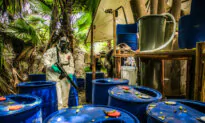
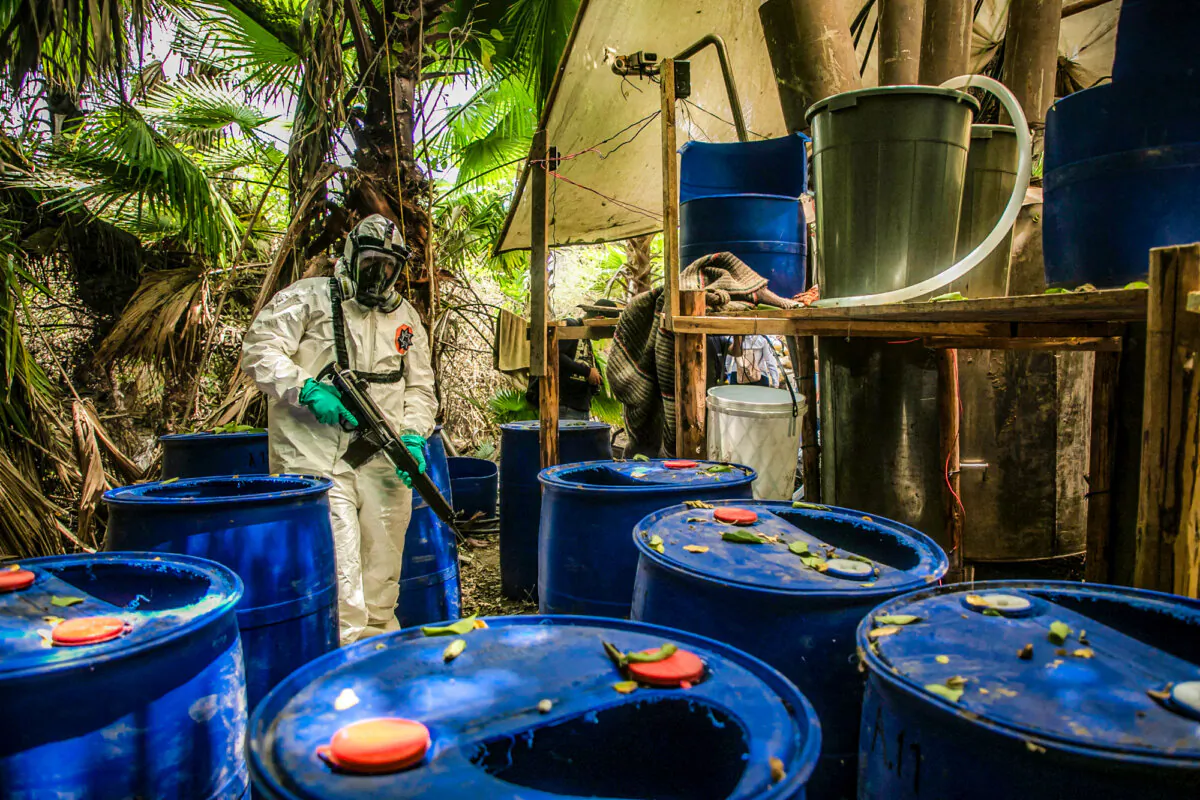
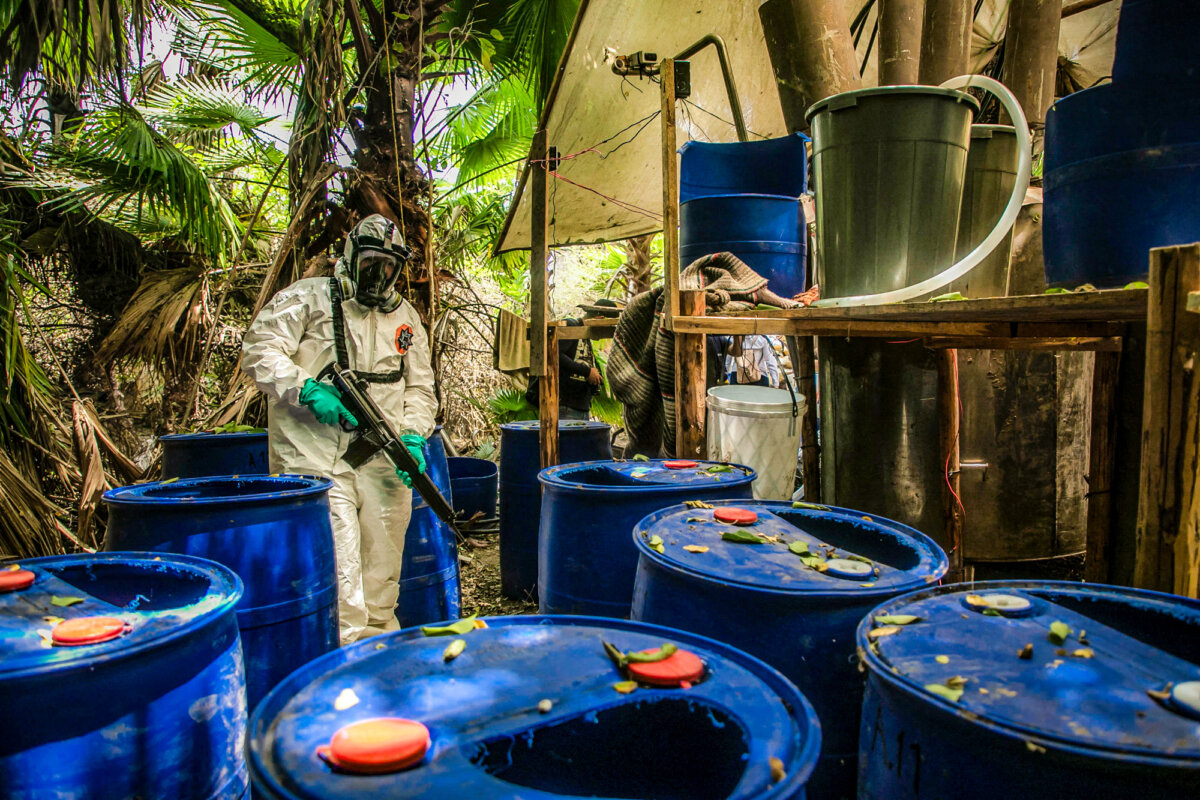
The ingredients for fentanyl are produced in China and exported to Mexico, where syndicates such as the Sinaloa Cartel and the Jalisco New Generation Cartel (CJNG) manufacture the deadly product, which is shipped across the border for a customer base of U.S. addicts.
The department said in a statement that its Office of Foreign Assets Control (OFAC) had sanctioned 12 Mexico-based companies and eight Mexican nationals allegedly affiliated with the Sinaloa Cartel’s Los Chapitos faction.
The Treasury Department said this network of companies and individuals supplies precursor chemicals—which are used in a process to make more complex chemicals—to Los Chapitos, which officials have accused of being responsible for the production and dissemination of fentanyl across the United States.
One of the companies, Sumilab, was first sanctioned by OFAC in May 2023 under the Biden administration. The Treasury Department said in Monday’s statement that it was able to maintain its corporate structures despite the May 2023 designation.
The Treasury Department says that Los Chapitos has “consistently procured precursor chemicals, overseen illicit laboratories, and managed drug distribution.”
“Over 500,000 Americans have died of fentanyl poisoning,” Treasury Undersecretary for Terrorism and Financial Intelligence John K. Hurley said. “President Trump has made clear that stopping the deadly flow of drugs into our country is a top national security priority. Under Secretary Bessent’s leadership, the Treasury Department is committed to dismantling the complex financial networks that support these terrorist organizations.”
Cartels Declared Terrorist Groups
In February, the U.S. State Department designated several Mexican drug cartels, including the Sinaloa Cartel, as well as several criminal gangs such as MS-13, as foreign terrorist organizations.
Los Chapitos is a network run by the four sons of Joaquin ‘El Chapo’ Guzman Loera, a Mexican drug lord who was jailed for life in New York in 2019. On June 9, OFAC sanctioned Los Chapitos for being “owned, controlled, or directed by, or having acted or purported to act for or on behalf of, directly or indirectly, the Sinaloa Cartel.”
Two of the four sons—Ovidio Guzman Lopez and Joaquin Guzman Lopez—are in U.S. federal custody, but Ivan Archivaldo Guzman Salazar and Jesus Alfredo Guzman Salazar remain at large and are subject to sanctions.
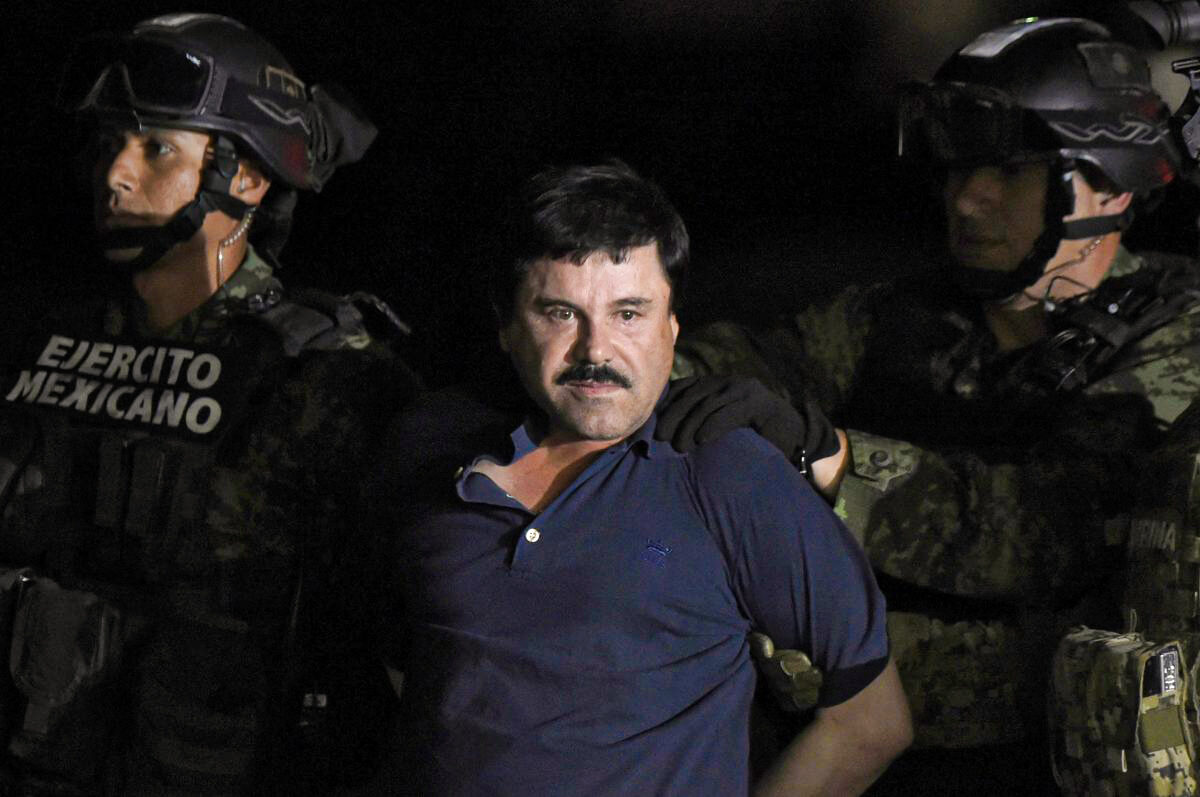
“Los Chapitos is a powerful, hyperviolent faction of the Sinaloa Cartel at the forefront of fentanyl trafficking into the United States,” Treasury Secretary Scott Bessent said in the statement at the time the sanctions were announced.
“At the Department of the Treasury, we are executing on President Trump’s mandate to completely eliminate drug cartels and take on violent leaders like ‘El Chapo’s’ children. Treasury is maximizing all available tools to stop the fentanyl crisis and help save lives.”
The sanctions follow the October 2024 killing of Nicholas Quets, a former U.S. Marine shot in Sonora, Mexico, by gunmen linked to the Sinaloa Cartel. According to the Treasury Department, the attackers were part of a heavily armed cell that pursued Quets and shot him in the back after confirming that he was a U.S. citizen.
Since President Donald Trump returned to the White House in January for his second term in office, he has sought to crack down on transnational criminal gangs and drug cartels that threaten the security of American citizens.
In February, Secretary of State Marco Rubio said that those groups declared terrorist organizations contain individuals who “have committed or have attempted to commit, pose a significant risk of committing, or have participated in training to commit acts of terrorism that threaten the security of United States nationals or the national security, foreign policy, or economy of the United States.”
Trump said in a Jan. 20 executive order, “The cartels have engaged in a campaign of violence and terror throughout the Western Hemisphere that has not only destabilized countries with significant importance for our national interests but also flooded the United States with deadly drugs, violent criminals, and vicious gangs.”
Analysts previously told The Epoch Times that designating cartels and transnational gangs as terrorists would allow the U.S. government to target their finances and individuals who supply them with weapons.
Jack Phillips, Chase Smith, and Chris Summers contributed to this report.
 Friends Read Free
Copy
Facebook
Tweet
Friends Read Free
Copy
Facebook
Tweet