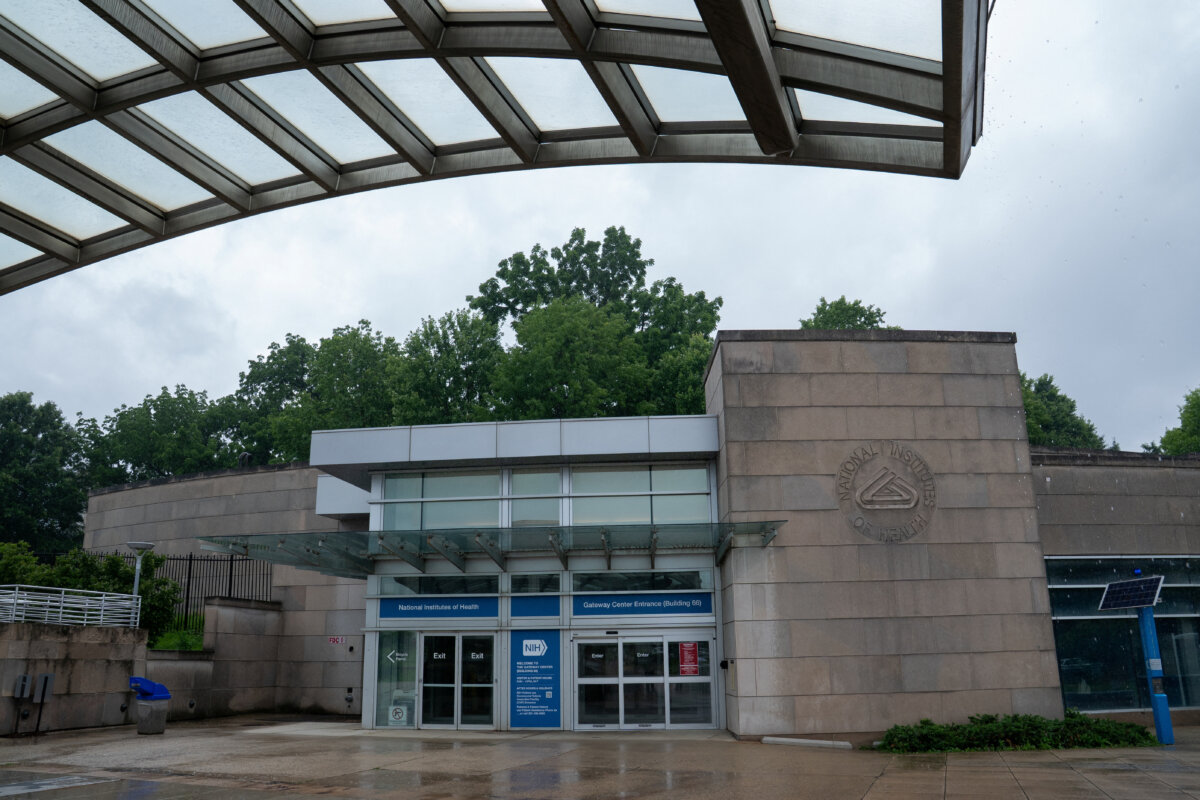

The Trump administration has come to an agreement with researchers and Democratic-led states to review National Institutes of Health (NIH) grant applications that were paused amid a policy aimed at cutting diversity, equity, and inclusion (DEI) initiatives, according to court documents filed on Dec. 29.
The deal remedies applications that were halted, denied, or withdrawn after the administration announced the policy, which it said was designed to end funding for research perceived as prioritizing ideology over science. It does not mandate funding for any specific proposals, but it ensures that they receive a second look.
The agreement is the result of ongoing litigation challenging the administration’s cuts. A federal judge in Boston had previously ruled that the NIH unlawfully terminated the funding when it cited alleged DEI ties.
The Department of Health and Human Services has appealed the judge’s ruling striking down the policy and defends its decision to stop funding for research “that prioritized ideological agendas over scientific rigor and meaningful outcomes for the American people.”
President Donald Trump issued executive orders soon after his inauguration in January, with Executive Order 14151, known as DEI-1, decrying DEI programs as “illegal and immoral discrimination” and ordering federal agencies to end related grants, offices, and initiatives.
The following day, Executive Order 14173, also known as DEI-2, bolstered these restrictions, mandating certifications from grantees that they steer clear of DEI activities. Grantees would face penalties under the False Claims Act for noncompliance.
These orders led to extensive terminations, prompting lawsuits against the administration. The San Francisco AIDS Foundation and Los Angeles LGBT Center filed a lawsuit alleging that the policies were unconstitutional, vague, and discriminatory.
Court Battles
U.S. District Judge William Young in Boston ruled in June that the directives were void and ordered funding restoration, citing arbitrary enforcement.
The Department of Justice requested emergency relief from the Supreme Court in July, and in August, the high court, in a 5–4 decision, enabled the NIH to proceed with cancellations while leaving disputes over terminated grants to the U.S. Court of Federal Claims, which specializes in monetary government disputes. The ruling left future funding processes unresolved, leading to the Dec. 29 settlement.
In August, an executive order strengthened oversight on all federal grants, criticizing expenditures on items such as critical race theory training and transgender education programs.
A federal judge, also in August, declined to block the National Science Foundation from halting DEI-related grants to increase minority participation in STEM after 16 Democratic states sued.
The NIH agreement does not affect Young’s broader policy block, which remains under appeal.
Reuters contributed to this report.
 Friends Read Free
Copy
Facebook
Tweet
Friends Read Free
Copy
Facebook
Tweet