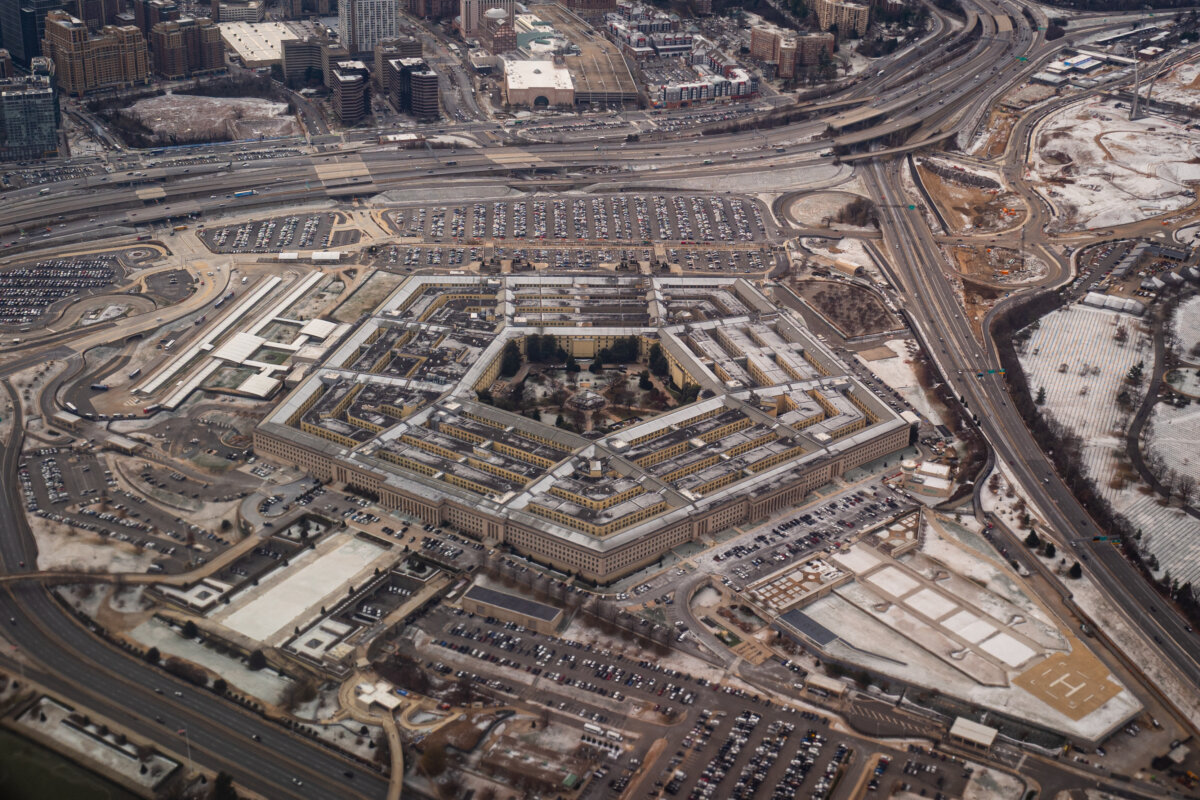

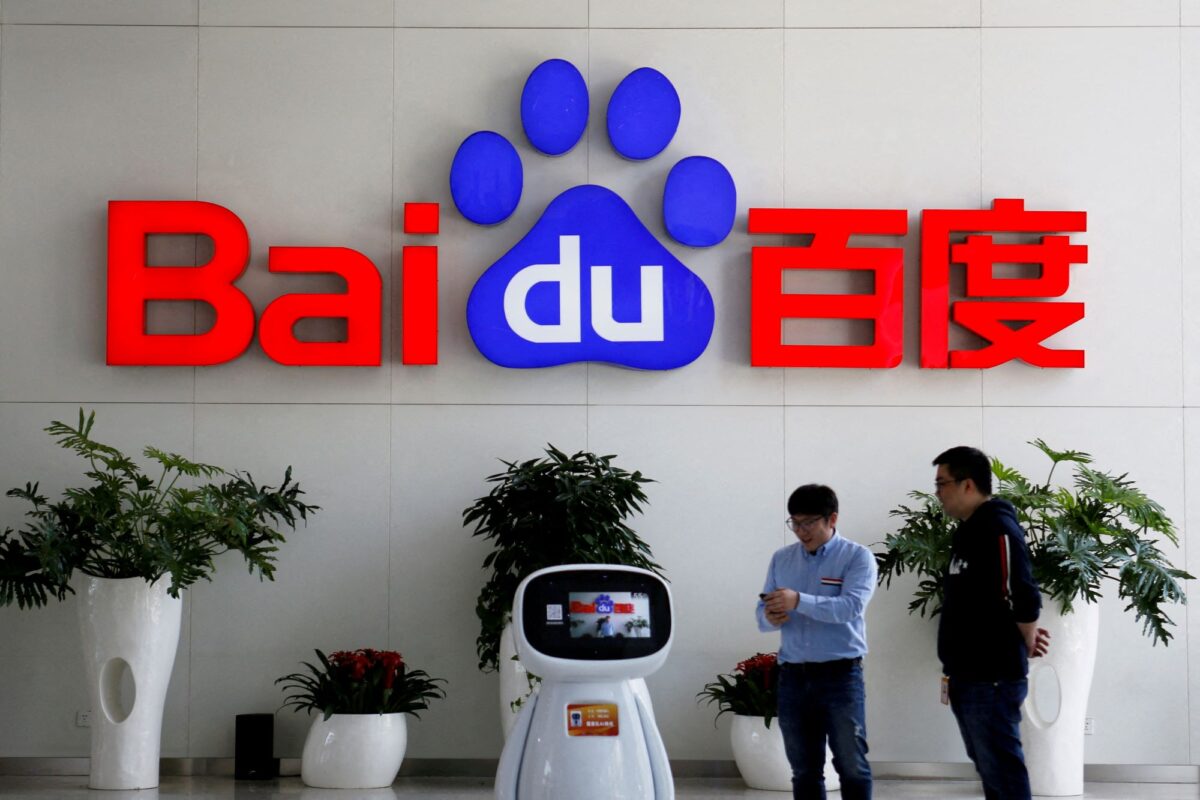
The Pentagon has flagged a list of prominent Chinese firms it believes are supporting the Chinese military, including e-commerce marketplace Alibaba, internet giant Baidu, and electric carmaker BYD.
Released on June 8 in a Federal Register notice scheduled to be published on June 10, the list covers a broad range of companies, including artificial intelligence (AI), solar, biotech, and electric batteries.
The determination comes roughly three weeks after U.S. President Donald Trump visited Beijing for the U.S.–China summit, which concluded with no major trade agreements reached.
The notice describes each of the three Chinese firms as a “military-civil fusion contributor” to the Chinese defense industrial base, a term that refers to the regime’s aggressive national strategy that integrates civil and commercial entities into military modernization.
The filing is made under the National Defense Authorization Act, which requests the secretary of war to identify and publish an annual list on Chinese military-linked companies until 2030.
Although the designation serves mainly to alert the public and private sectors on the firms’ national security risks and will not result in immediate sanctions, the move bars the Pentagon from entering into or renewing contracts with them for goods, services, or technology. It also prevents the department from indirectly procuring from the listed companies through third-party sellers.
The deputy secretary of war determined that the listed entities are engaged in commercial services, manufacturing, producing, or exporting, and that they operate directly or indirectly in the United States, the government document states.
The list has expanded since early 2025, with notable additions including wireless gear provider TP-Link; pharmaceutical firm WuXi AppTec; AI-driven robotics company RoboSense Technology; the CALB Group, a partially state-owned company and fourth-largest electric vehicle battery manufacturer globally; and Hangzhou Yushu Technology, a leading Chinese robotics company also known as Unitree Robotics.
The updated list includes two solar firms, JA Solar Technology and Trina Solar, and several semiconductor and AI-related companies. These include Tianma Microelectronics, which makes advanced microelectronics display panels; semiconductor display technology leader BOE Technology Group; and Zhongji Innolight, the world’s top producer of optical transceivers that are critical for AI centers.
The June 8 list largely mirrors a short-lived version from February that the Pentagon withdrew without explanation on the same day it went up.
The Pentagon said any listed entity can appeal the decision by submitting supporting evidence for review.
Several firms on the list have drawn alarm from Congress in recent years.
In December, nine lawmakers wrote to the Pentagon, listing more than a dozen companies they said have been contributing to “modernization, internal-security operations, and power-projection capabilities” of China’s People’s Liberation Army. Four of the companies are on the June 8 list.
Rep. John Moolenaar (R-Mich.), one of the nine and chairman of the House Select Committee on the Chinese Communist Party, said the updated Pentagon list is “a warning to American businesses, all levels of government, and the American people.”
“These Chinese companies are working with the Chinese military against our national interests,” he said in a statement. “American companies must stop doing business with these threats to our national security, otherwise they are enabling China’s military ascendance.”
The Epoch Times has reached out to Alibaba, Baidu, and BYD for comment.
 Friends Read Free
Copy
Facebook
Tweet
Friends Read Free
Copy
Facebook
Tweet