Around 6,000 people marched through a small town in south-west France on May 7 to protest after an 11-year-old girl was murdered in a case that has had political reverberations around the country.
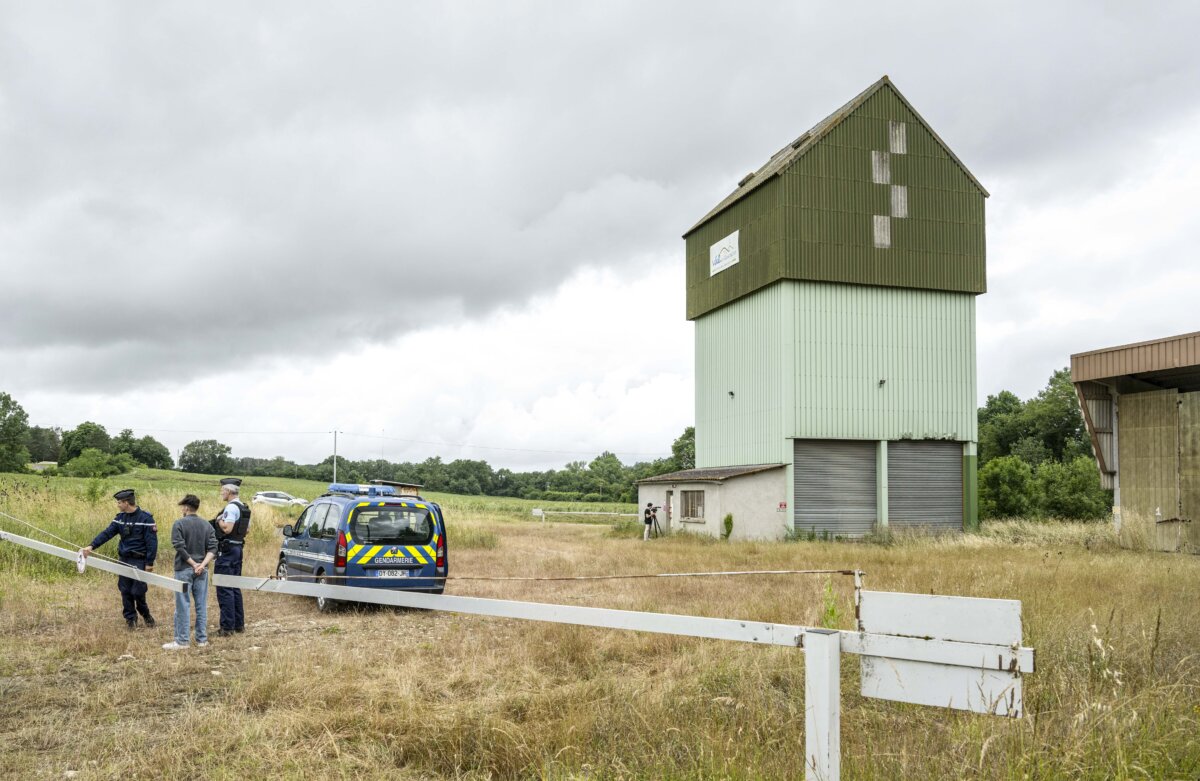
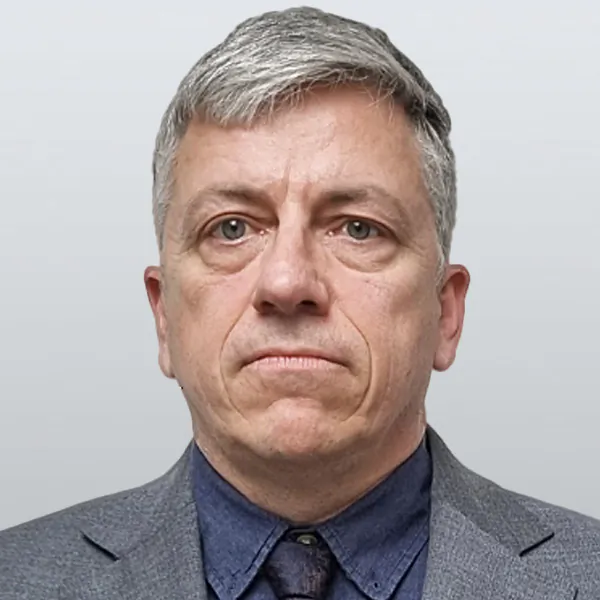
The body of the girl, who has been identified only as Lyhanna, was discovered on June 4 in a disused grain silo in Puycasquier in the Gers department, 10 miles from the town of Fleurance, where she was last seen on May 29 getting into the car of the suspect, who has been named as 41-year-old Jérome B.
Clémence Meyer, a prosecutor in Gers, said several young girls and their families had previously made multiple complaints about the suspect, including allegations of rape.
Meyer said an allegation that Jérome B raped a girl in his home in 2020 was investigated, but the case was closed in 2024 due to a lack of evidence.
Another girl had made a fresh allegation earlier this year, claiming he raped her repeatedly in 2024 and 2025, but the suspect had not been interviewed about this allegation at the time of Lyhanna’s death.
On June 5, French President Emmanuel Macron said he was shocked by the case, which he said revealed flaws in the system.
‘We Cannot Look Her Family in the Face’
“Things didn’t happen as they should have done. That is clear. And so it is unacceptable,” said Macron, who was at a European summit in Montenegro. “We cannot look her family in the face and say everything went well.”
What has become known as The Lyhanna Affair has become a high-profile news story across France.
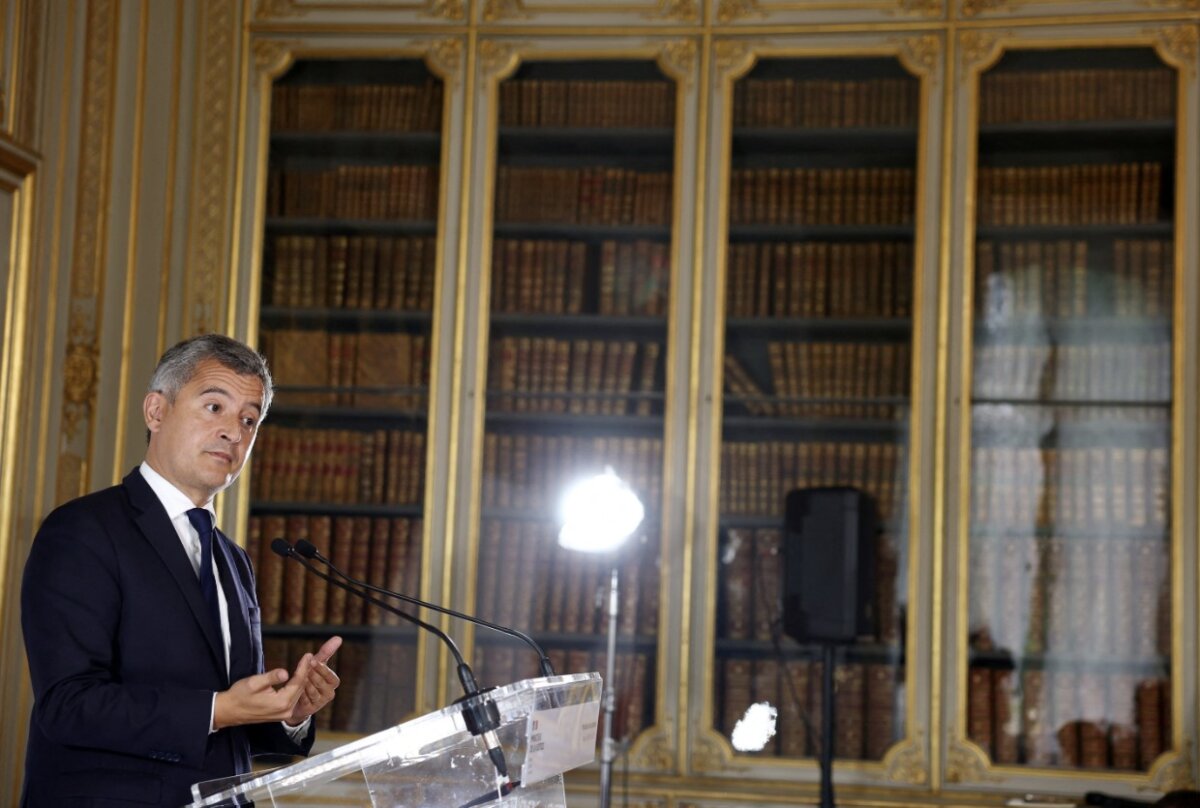
Last week, French Justice Minister Gérald Darmanin said the judicial system had “failed to protect this little girl.”
On June 8, Darmanin ordered the nation’s prosecutors to review 70,000 ongoing complaints of violence made by minors.
Darmanin said the Lyhanna case was a “terrible failure from the state, and of the justice system.”
He said he had ordered prosecutors across France to review the status of all formal complaints by July 14 as “an absolute priority.”
When asked by journalists whether he would resign, Darmanin said, “If any shortcomings are identified, I will take responsibility and propose disciplinary actions ranging from a reprimand to dismissal.”
France is still recovering from the shock of the Gisèle Pelicot case, which ended in December 2024 when her former husband, Dominique, was jailed for 20 years for drugging her and recruiting dozens of men to rape her.
Cécile Mailfert, an activist who founded the Fondation des Femmes, told the France Info television channel that there were widespread issues with the investigation of rape complaints.
“There are tens of thousands of complaints, right now, all over France. This reality … seems to be ignored,” Mailfert said.
Tip-off About Silo
Olivier Naboulet, the prosecutor who is leading the investigation into Lyhanna’s murder, said in a statement on June 5 that police had been led to the silo by a witness who said the suspect had previously worked there.
In the statement, Naboulet said a post-mortem examination was due to take place to find the cause of death.
When she went missing, Lyhanna was wearing a black-and-white striped blouse, black shorts, and yellow socks with branding from a Japanese manga series, “One Piece,” and the police said the body was wearing “similar clothes.”
French media reported that detectives discovered that the suspect was seen in front of Lyhanna’s school in Fleurance on May 29 and was later spotted on surveillance cameras driving with her in his car.
He told investigators that he dropped her off near the town’s swimming pool, French media said.
It was not immediately clear whether Jérome B had legal representatives who could comment on his behalf.
Reuters and The Associated Press contributed to this report.
 Friends Read Free
Copy
Facebook
Tweet
Friends Read Free
Copy
Facebook
Tweet