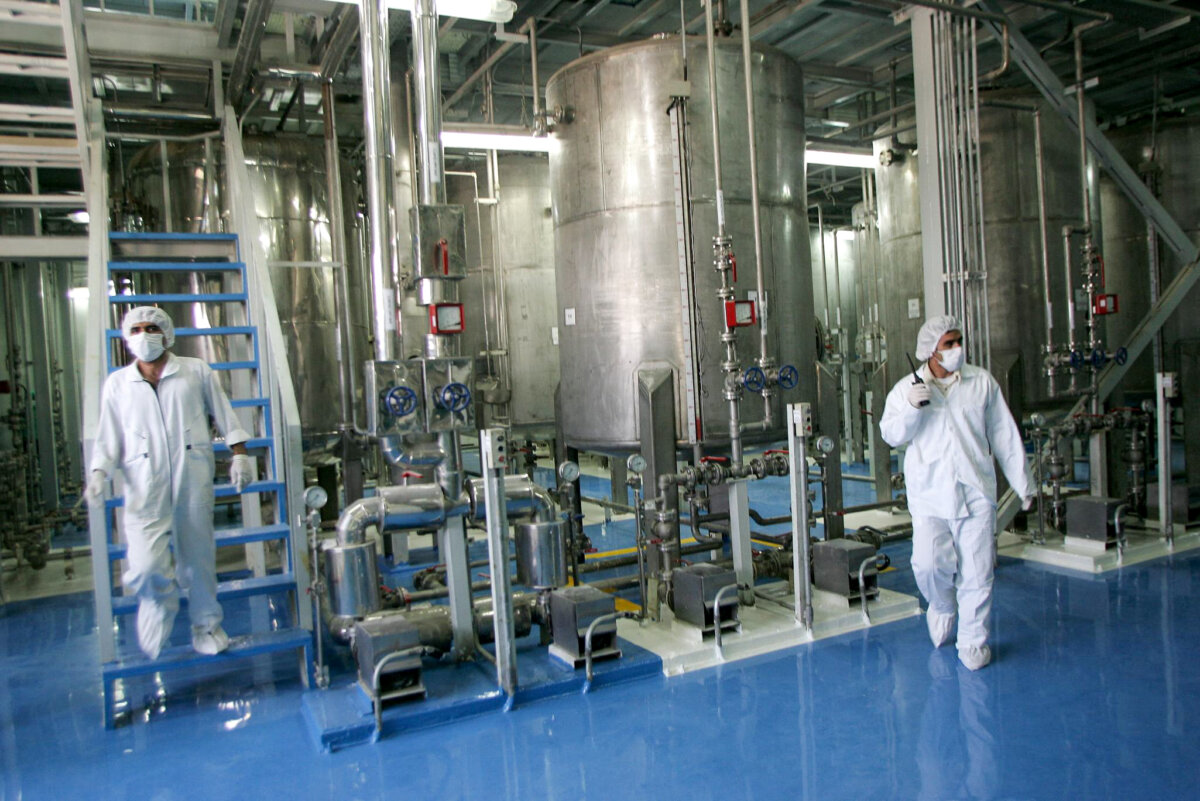

The head of the United Nations’ atomic watchdog on Monday called on Iran to re-engage with the agency and allow inspections of its nuclear facilities
“Iran has not engaged the Agency on the unresolved safeguards issues” since last year, International Atomic Energy Agency (IAEA) Director General Rafael Mariano Grossi said in a statement issued on June 8.
He added that Iran has not provided details to the U.N. about highly enriched uranium that was bombed during strikes carried out by the United States last summer.
“It is now almost one year that the Agency has had no access to any of the declared nuclear facilities affected by the military attacks of June 2025, therefore the Agency has lost continuity of knowledge of the previously declared nuclear material at those facilities,” Grossi said. “This gives rise to a proliferation concern as this nuclear material includes [970 pounds] of highly enriched uranium, which the agency has not been able to verify since June 2025.”
Grossi then called on Iran “to engage the agency constructively in order to facilitate the full and effective implementation of safeguards” to comply with a provision of the Treaty on the Non-Proliferation of Nuclear Weapons, the landmark 1970 international treaty designed to prevent the spread of nuclear weapons.
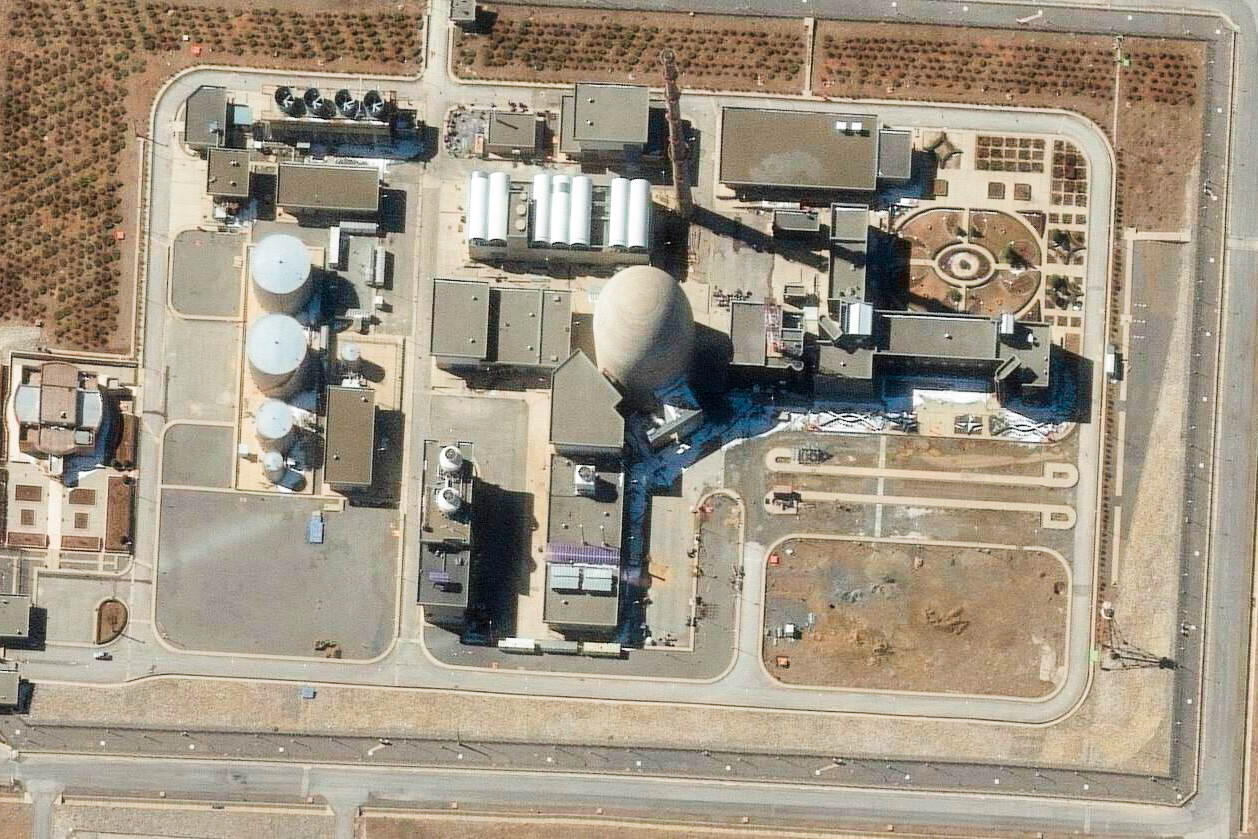
Amid Iran’s war with the United States, the U.N. official added that “it was possible to resume some in-field verification activity in Iran last week when the agency conducted a routine inspection at the Bushehr nuclear plant in Iran.” However, no other inspections have been carried out at other Iranian nuclear facilities in Iran in recent months, he said.
Iran has nearly 1,000 pounds of uranium enriched to 60 percent purity—considered a short step away from enriching it to weapons-grade levels of 90 percent, the IAEA said last year.
U.S. President Donald Trump has called on Iran to hand over the enriched uranium or destroy it, also saying that the material is buried under a mountain that collapsed during last year’s strikes. In multiple recent interviews and public events, he has said the U.S. military could potentially be sent to Iran to extract the material.
For years, U.S., European, and Israeli officials have said that Iran is seeking to obtain nuclear weapons, which Tehran has long denied. Iran has insisted that its nuclear facilities are intended for civilian purposes and that the oil-rich country has a right to pursue the use of nuclear power.
Grossi’s statement comes as tensions have flared in the Middle East in recent days, with both Israel and Iran exchanging attacks on Sunday night and early Monday morning. But by Monday, both countries indicated they would halt their respective military operations.
The Iranian military said that it was halting offensive strikes, while Israeli Prime Minister Benjamin Netanyahu suggested in a statement that the current round of fighting was over. But he also warned that if Iran “makes the mistake and returns to attacking us, we will respond with force.”
Officials have been unable to turn the April ceasefire into a deal to permanently end the conflict.
However, Trump on Monday struck an optimistic tone in a Truth Social post, saying that “final negotiations” to end hostilities are ongoing.
“Things should move quickly,” he wrote.
The Associated Press contributed to this report.
 Friends Read Free
Copy
Facebook
Tweet
Friends Read Free
Copy
Facebook
Tweet