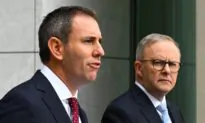

Motorists are set for relief at the bowser after the federal government agreed to halve the fuel excise tax for three months as global prices surge amid the Middle East conflict.
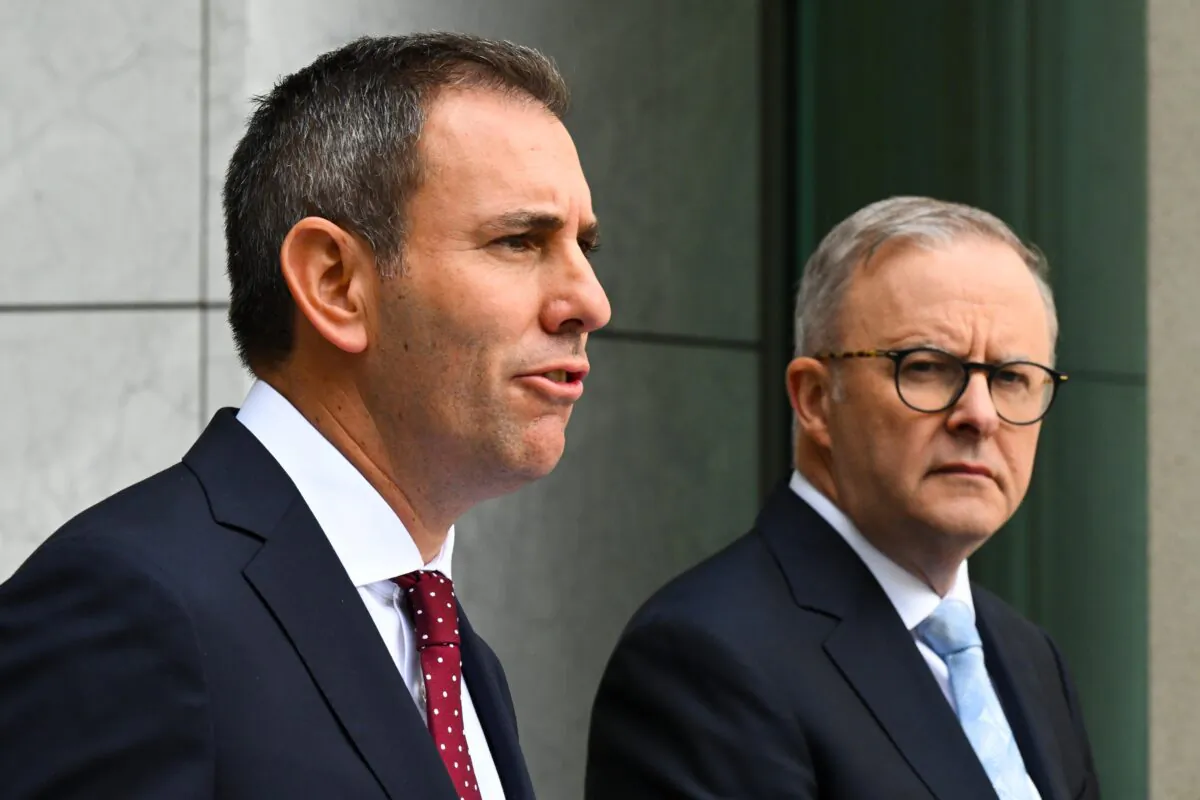
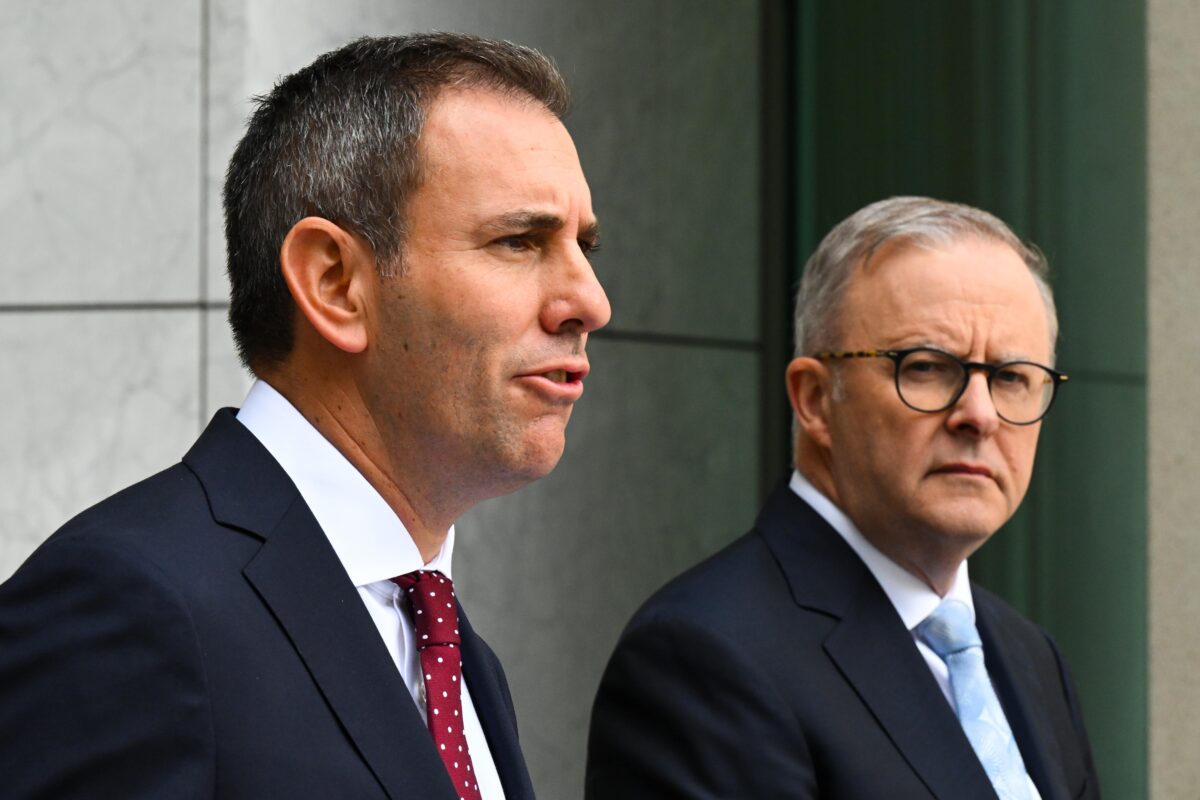
Prime Minister Anthony Albanese said after National Cabinet on March 30 that the temporary measure would cut 26.3 cents a litre from prices at the pump, while also releasing its four-level fuel plan to manage demand.
“We’re acting now to be over prepared, to prepare and to shield Australians from the worst of the impacts,” he told reporters.
The government will also cut the heavy vehicle road user charge to zero for three months and delay a scheduled increase to that charge by six months.
Treasurer Jim Chalmers said the package would reduce the cost of filling a 65-litre tank by about $19.
The excise and road-user charge changes are expected to reduce the take of the federal budget by $2.55 billion over the three-month period from April 1, with a further $53 million in foregone revenue from delaying the charge increase.
Chalmers said the measures were also expected to cut headline inflation by about half a percentage point through the year to the June quarter of 2026.
4 Level National Framework
Alongside the tax cut, National Cabinet adopted a four-level national framework for responding to fuel shortages: plan and prepare; keeping Australia moving; taking targeted action; and protecting critical services for all Australians.
Albanese said Australia is currently at level two.
“We do this in in order to be completely transparent about not just where we are, but where this might go in the future … We know this is uncertain because it’s not clear when this conflict will end or what the circumstances of it ending will be,” he said.
Energy Minister Chris Bowen said stage two means supply is continuing to arrive, but local disruptions remain.
“We certainly don’t expect to move off there for quite a while, because stage three is about when supply is disrupted. And at this point there’s been no disruption to international supplier to Australia,” Bowen said.
Stage three involves the government will “act to secure supply” and for the country to “adopt voluntary practical measures to limit fuel use.”
“All [federal, state, and territory] governments will look for practical measures to help you reduce your use,” according to a statement.
Stage four will see all governments work to implement “stronger demand measures” to make sure fuel gets to services like utility, life support, and emergency.
“There will be a nationally consistent framework to support the allocation of fuel, with clear conditions for when the measures can be relaxed,” the government said. However, levels three and four may be adjusted depending on the circumstances.
Albanese Says Plenty of Shipments Arrived
In April, six ships were cancelled, but he said they were “more than replaced” by nine additional ones.
The prime minister said there was “more fuel than anticipated” and pledged more was to come once new powers to underwrite shipments or buy fuel directly take effect.
“We have the legislation that we announced on Saturday and that was introduced today, which is about us procuring, literally, shiploads of fuel.”
Bowen later told Parliament during Question Time that Australia currently had about 39 days of unleaded petrol (around 6 billion litres), 30 days of diesel, and 30 days of jet fuel, equivalent to roughly 800 million litres.
He said refiners and importers were delivering fuel to regional Australia at “record levels.”
Viva Energy, which operates a refinery in Geelong, has reported deliveries to regional areas up 55 percent over the past week.
Fuel Crisis Dominates Question Time
Despite government assurances, the fuel crisis dominated Question Time, with opposition MPs and regional representatives pressing the government on shortages and service disruptions.
Liberal MP Andrew Wilcox said the Kidney Support Network in Mackay was concerned volunteer drivers had been forced off the road, putting renal patients at risk of missing treatments.
Another Liberal MP Mary Aldred also pointed to growing strain in aged care, saying Ageing Australia CEO Tom Symondson had warned “we are seeing an increase in workers not taking up shifts.”
The Coalition also used the session to claim credit for the government’s fuel excise cut, with Shadow Treasurer Tim Wilson saying the government had “followed” its push.
Opposition Leader Angus Taylor earlier said the move [to cut to fuel excise] came after sustained pressure from his side.
“They are following our lead … we work in a bipartisan way to move this in a way that its put in place,” he told Parliament. Last week, Taylor and his state counterparts in New South Wales and Victoria pushed for a cut to fuel excise.
He also rejected claims that panic buying was driving demand.
“Its a jerry can driven demand surge … but the truth is it’s his [Minister Bowen’s] fault,” he told the Parliament.
 Friends Read Free
Copy
Facebook
Tweet
Friends Read Free
Copy
Facebook
Tweet