
Australia’s inflation rate has jumped again, adding pressure to household budgets and raising expectations the Reserve Bank of Australia (RBA) may lift interest rates next week.
New data from the Australian Bureau of Statistics shows inflation rose to 3.8 percent in the year to December, up 3.4 percent in November, moving above the RBA’s 2–3 percent target range.
The increase comes just days before the RBA meets to decide whether to raise rates for the first time since November 2023.
Housing was the largest contributor to inflation over the past year, rising 5.5 percent, but the sharpest lift came from electricity prices.
Power and Housing Prices Push Inflation Higher
Power prices jumped a whopping 21.5 percent over the year as state government rebates in Queensland and Western Australia ran their course, leaving households exposed to higher bills.
The ABS said much of the rise reflected timing rather than a structural surge.
Once rebates are stripped out, electricity prices increased by a more moderate 4.6 percent over the year.
Housing costs continued to weigh on inflation, with rents rising 3.9 percent. While still elevated, the pace of rent increases eased slightly from November as vacancy rates across major cities remained adequate.
Food costs also climbed, adding to pressure on household budgets. Prices for food and non-alcoholic beverages rose 3.4 percent over the year, with meals and takeaway food up 3.5 percent, reflecting higher wage bills and ingredient costs.
Meat and seafood prices increased 4.4 percent, driven by strong global demand for Australian red meat.
Beef and lamb prices each rose by more than 10 percent over the year. Fruit and vegetable prices rose 4 percent, as weather-related supply disruptions pushed up the cost of items such as cucumbers, zucchini and capsicums, while reduced apple supplies also lifted prices.
With the holiday season, discretionary spending picked up sharply, led by a surge in travel costs.
Recreation prices rose 4.4 percent over the year, with domestic holiday travel and accommodation jumping 9.6 percent amid strong demand over Christmas, the summer school holidays, and major events including the Ashes cricket series.
International travel costs also rose steeply, with airfares up 24.4 percent during the holiday period.
Political Reaction
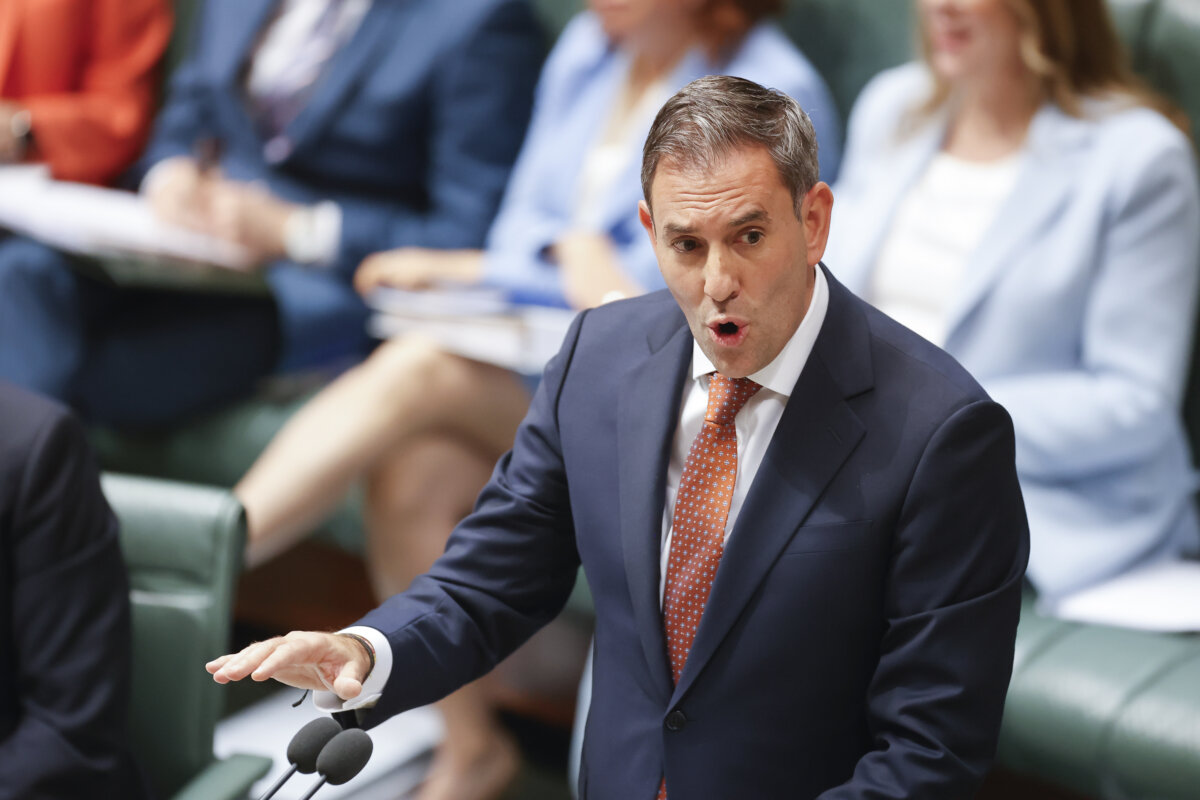
Treasurer Jim Chalmers described the latest inflation rise as “unwelcome but unsurprising.”
Speaking after the data release, he said, “Today’s data shows our inflation challenge reflects a mix of temporary factors and some more persistent pressures.”
He pointed to the expiry of electricity rebates and higher travel prices as short-term drivers, while acknowledging deeper pressures remain.
Chalmers added that inflation was not predictable.
“We’ve seen around the world that inflation doesn’t always moderate in a straight line.”
He linked housing costs to supply shortages, arguing: “That’s why we have a big, broad and ambitious policy backed up by substantial investment in building more homes in our community.”
Opposition Leader Sussan Ley criticised the government’s record in a post on X shortly after the figures were released.
“Today, families across Australia are being squeezed like never before. Under Labor, food is up 16 percent, rent up 22 percent, and electricity up nearly 40 percent. That is a cost of living crisis, plain and simple,” she wrote.
She added, “I remain determined to build an Australia where families can get ahead, where people are empowered to stand on their own two feet, and where hard work is respected and rewarded.”
 Friends Read Free
Copy
Facebook
Tweet
Friends Read Free
Copy
Facebook
Tweet