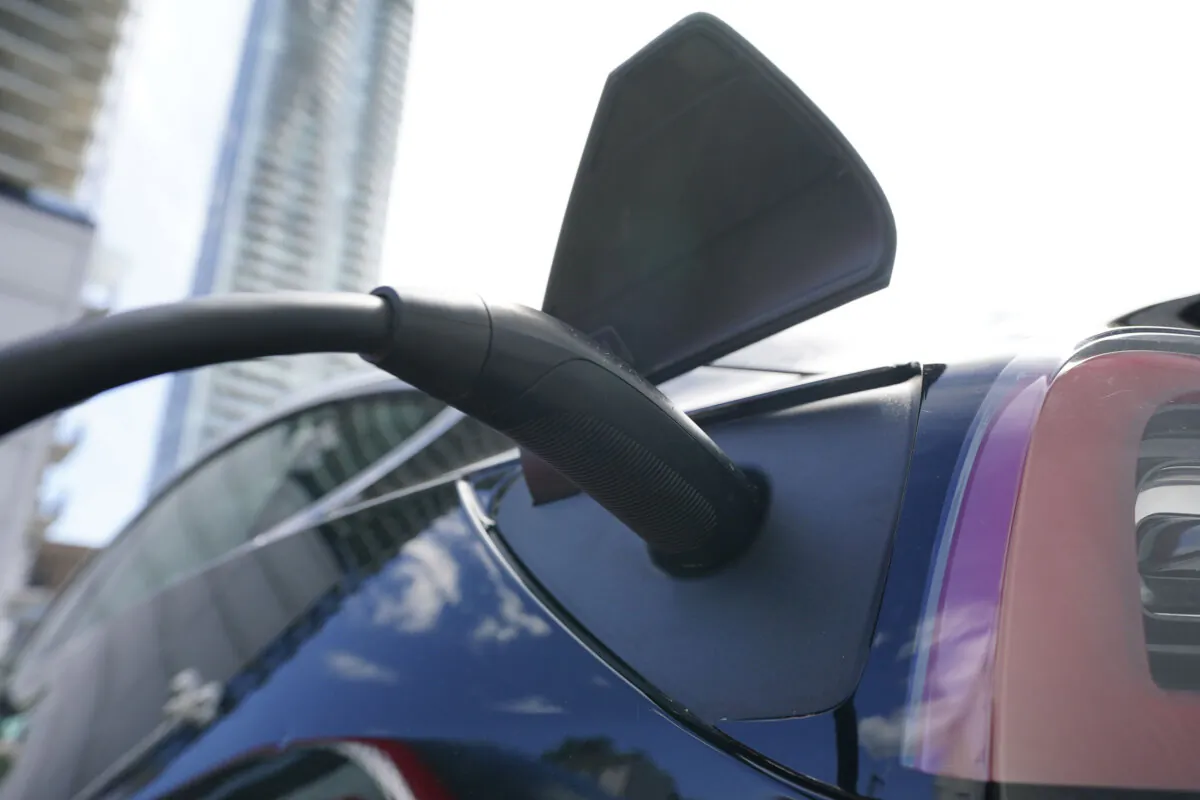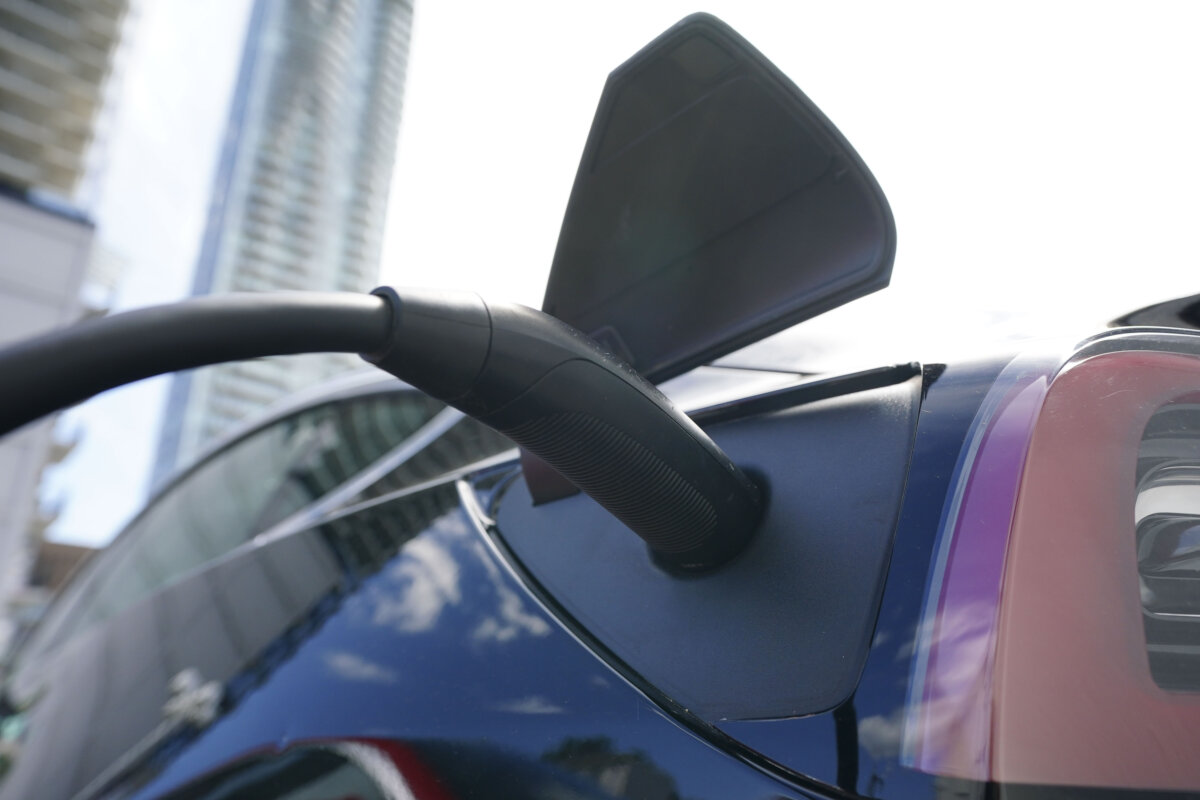

British Columbia has announced plans to lower its 2035 zero-emission vehicle sales mandate from 100 percent to 75 percent.
The province also plans to scrap its 2035 ban on the sale of new internal-combustion-engine vehicles. Both changes are meant to better align provincial regulations with goals set by the federal government, the ministry of energy and climate solutions said in an April 1 press release.
“We are giving people greater choice while reducing air pollution and emissions in our communities,” Energy Minister Adrian Dix said in the release. “We are recalibrating our ZEV targets to be consistent with the federal government’s new ZEV policy and to give industry and consumers greater flexibility.”
ZEVs, or zero-emission vehicles, include battery-electric, plug-in hybrid electric, and fuel cell electric vehicles.
The amendments are set to be completed by the fall, and the revised rules are expected to maintain a 26 percent sales requirement for this year and 2027, the ministry said. Provincial goals for the years 2028 to 2030 will be guided by federal plans to be made public this summer, the statement added.
The New Car Dealers Association of BC called the province’s decision “a helpful step toward a more balanced and adaptable approach to zero-emission vehicle policy.”
“We appreciate that government is listening to both industry and consumer concerns,” association president Blair Qualey said in a statement, noting that dealers have been “highlighting the growing gap between policy ambition and market reality” for some time.
“These changes reflect an important recognition that flexibility matters and that policy must evolve alongside consumers, not ahead of them,” Qualey added.
The Pembina Institute, a clean-energy think tank, applauded the decision for different reasons. A statement from Pembina growth director Adam Thorn said the institute is “encouraged” to see the B.C. government maintain a 75 percent target despite current economic and market conditions.
“A sales requirement is particularly important because it ensures vehicle supply, infrastructure investment and industry planning move forward together,” Thorn said. “These near-term milestones ensure the policy ramps up effectively and give industry and investors the confidence to continue building charging infrastructure, expand vehicle supply and create jobs across British Columbia.”
Also on the province’s EV agenda is funding for 75 public charging station projects across the province. The CleanBC Go Electric public charger program is providing $19.1 million in funding for the new projects, which will include 277 direct-current fast-charger ports and 51 level 2 charger ports, the ministry said.
EV Rules
B.C. originally legislated a 100 percent ZEV sales target in 2019 to reduce greenhouse gas emissions, making it the first jurisdiction in the world to do so.
Ottawa followed suit in 2022 under then-Prime Minister Justin Trudeau. His Liberal government published draft regulations in December 2022 mandating all new passenger vehicles and light trucks be electric ZEVs by 2035. The plan was to phase in the rules starting with a 20 percent requirement in 2026 and up to at least 60 percent by 2030.
Prime Minister Mark Carney’s government scrapped the mandate that would have required automakers to produce and sell only electric vehicles by 2035. Carney announced in February that his government would instead implement stricter greenhouse gas (GHG) emissions standards for model years 2027 to 2032.
The revised aim is to reach an EV adoption rate of 75 percent by 2035 and 90 percent by 2040, he said.
The decision to eliminate the EV sales mandate was in response to demands from the automotive sector and several provinces. Manufacturers contended that the mandate was impractical and expensive, particularly in light of trade pressures from the U.S. and sluggish consumer adoption.
 Friends Read Free
Copy
Facebook
Tweet
Friends Read Free
Copy
Facebook
Tweet