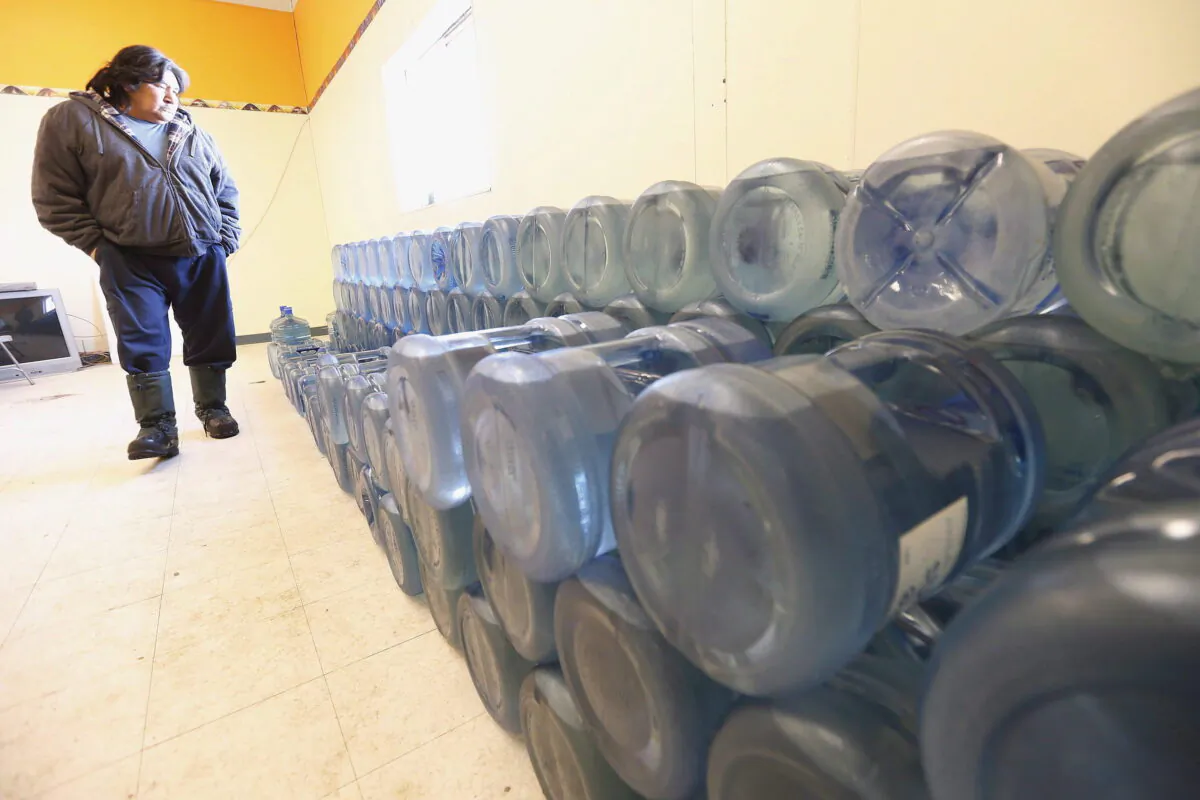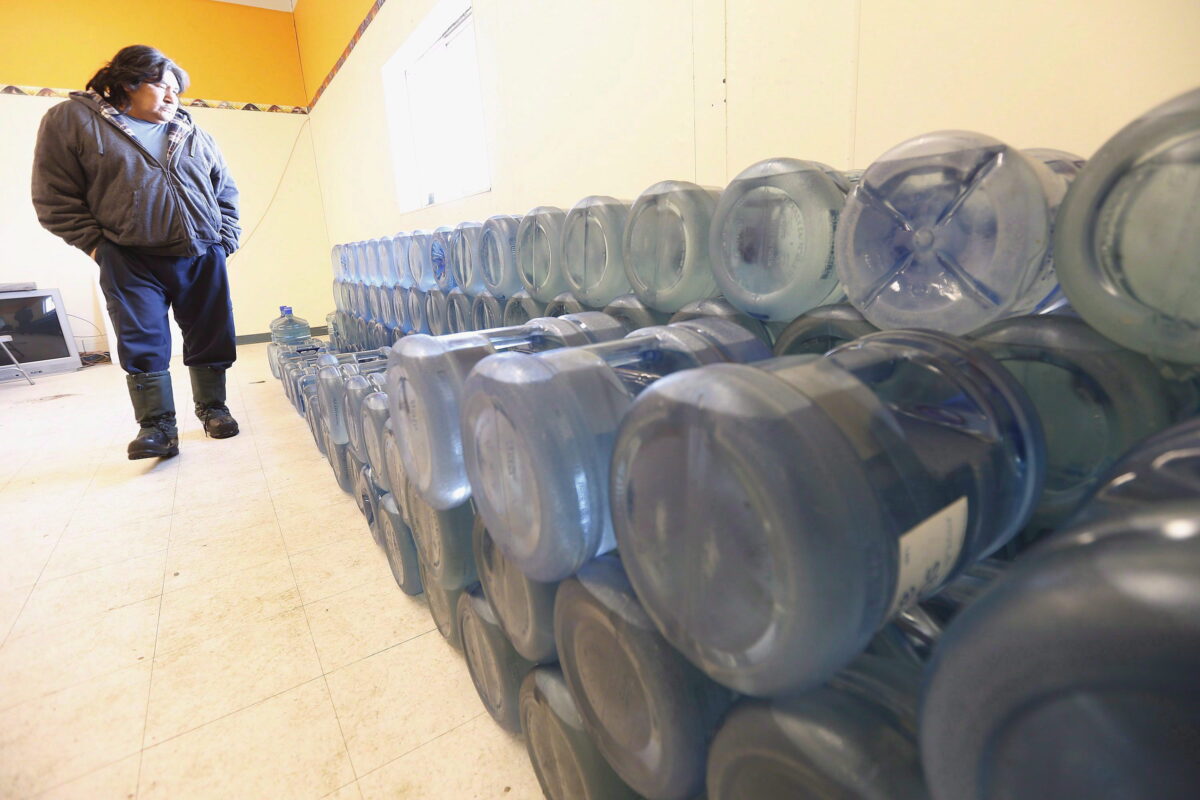

The number of long-term boil water advisories in First Nations communities has increased by 32 percent compared to last year, according to Indigenous Services Canada (ISC).
“As of June 23, 2025, there are 37 active long-term drinking water advisories in 35 First Nations communities,” ISC wrote in a June report to the Senate Committee on National Finance (NFFN), which was released by the committee on July 28 and was first covered by Blacklock’s Reporter.
The department reported 28 long-term advisories in a report to the NFFN last year. This year’s report did not indicate a reason for the 32 percent increase but noted that while the federal government works with affected First Nations to come up with a solution, it is up to the First Nations to implement a solution.
“Ultimately, the decision to put in place a particular solution is made by First Nations leadership, as they are the managers and operators of their water and wastewater infrastructure,” ISC said.
The department also noted that drinking water advisories are not always due to a technical problem, as some advisories may remain in place when an infrastructure project to address the advisory has finished if a community doesn’t have a trained water system operator to maintain the system.
Since 2015, 148 long-term drinking water advisories have been lifted, while 305 short-term advisories have also been lifted and prevented from becoming long-term, ISC says. In total, 80 percent of advisories have been lifted since 2015, and projects to address half of the remaining advisories have been completed and the advisories are pending being lifted.
As of July 11, ISC says there are now 38 advisories in effect in 36 communities. Twenty-seven active advisories are in Ontario, while six are in Manitoba, four in Saskatchewan, and one in Newfoundland and Labrador.
During the 2015 federal election, former Prime Minister Justin Trudeau promised First Nations his government would eliminate all long-term drinking water advisories by March 2021. However in December 2020, the Liberal government said it would not be able to end all advisories by the deadline.
Then-Indigenous Services Deputy Minister Christiane Fox said the COVID-19 pandemic had slowed efforts to upgrade water systems and carry out on-site training as supply chains took a hit and travel was restricted in some reserves. Although a second deadline was not set, Trudeau’s government committed to a long-term partnership to finish the work.
Drinking Water Perceptions
A 2024 public opinion research survey asked 511 First Nations residents across Canada and 502 residents in the general public living in other small communities about their perceptions of the quality and safety of the drinking their communities have access to.
The majority (73 percent) of First Nations residents surveyed said they drink bottled water instead of tap water, while around 50 percent said they use bottled water for making coffee or tea, in food preparation, or for cooking.
While 73 percent of residents of the general public rated the quality of their drinking water as “good,” only 39 percent of First Nations said the same about the drinking water they have access to. Moreover, 32 percent of First Nations consider their drinking water quality to be “bad,” compared to 9 percent among residents of other small communities.
When it comes to safety, 28 percent of First Nations said they consider their drinking water to be “very safe” and 35 percent consider it to be “somewhat safe.” Meanwhile, 33 percent consider their water to be either “somewhat unsafe” or “very unsafe.” Comparatively, 87 percent of residents of other small communities considered their drinking water to be safe.
When asked if the quality of their drinking water had changed over the past five years, 39 percent of First Nations said it had remained the same, while 37 percent said the water was safer than five years prior, and around 20 percent said the water had become less safe.
Residents of the general public were less likely to say their water quality had deteriorated, the survey found.
Three-quarters of First Nations residents said that access to more information about water testing procedures and the quality of their community’s tap water would make them feel safer. Two-thirds said they would like access to more information about what to do when there is a drinking water advisory in place and a way to access updated information on the status of their community’s tap water quality.
The demand for this type of information was significantly higher among First Nations compared to members of the general public, the survey indicated.
Isaac Teo contributed to this report.
 Friends Read Free
Copy
Facebook
Tweet
Friends Read Free
Copy
Facebook
Tweet