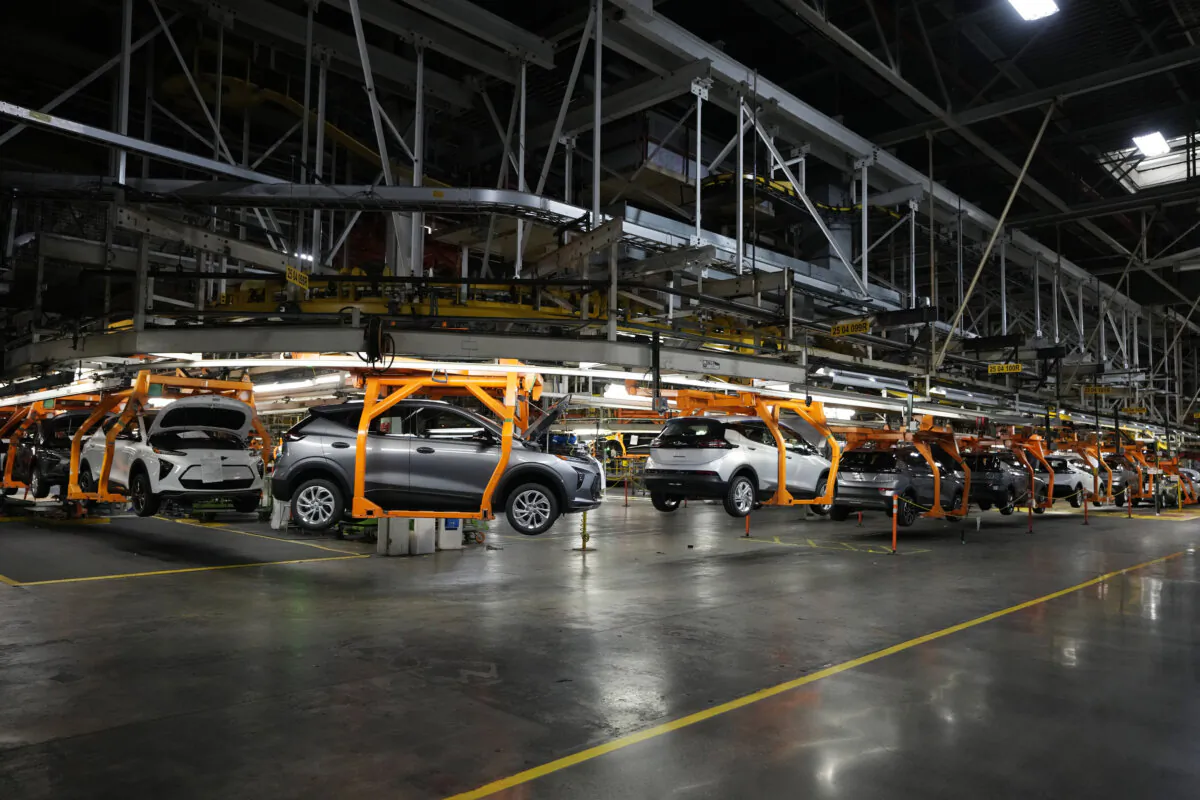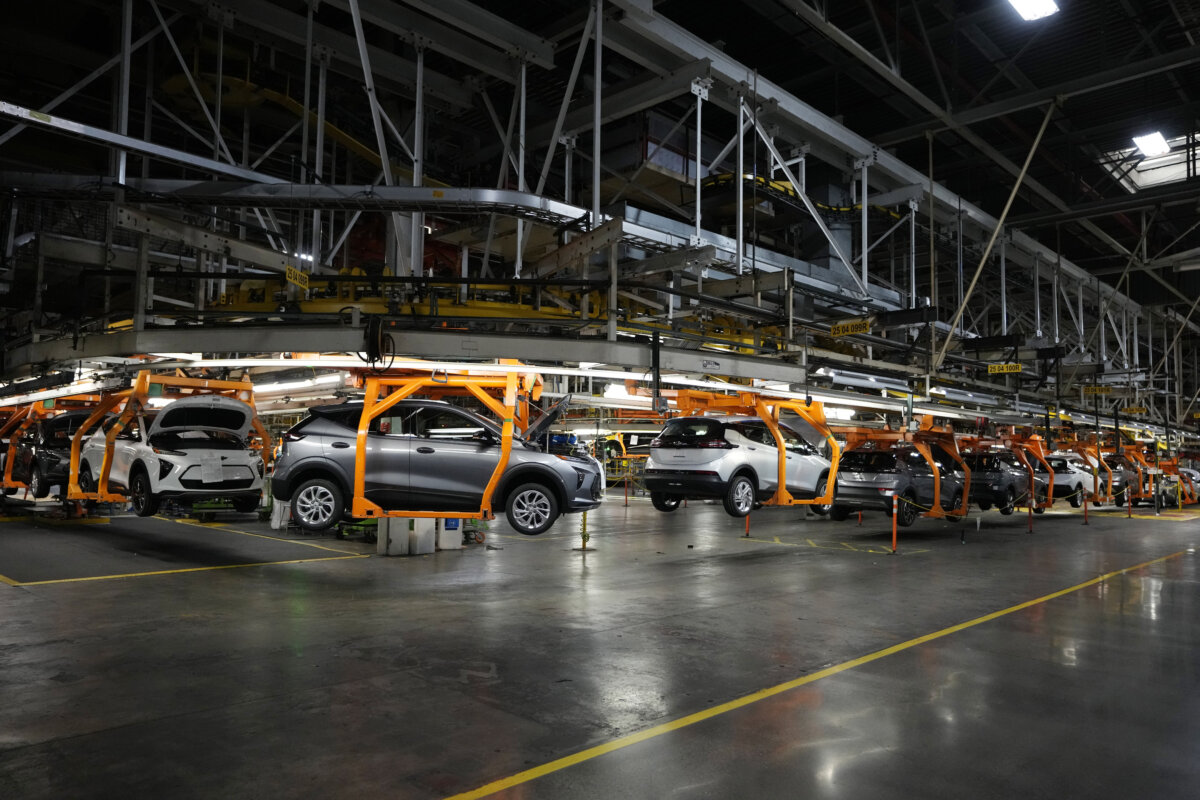

The Parliamentary Budget Office says that the ownership costs of zero-emission electric vehicles (ZEV) would still need to decrease by 29 percent to meet the government’s sales target of 60 percent by 2030.
The Liberal government announced in 2023 that auto manufacturers would be required to ensure the market share of ZEVs sits at 20 percent in 2026, 60 percent in 2030, and 100 percent by 2035. Automakers are issued credits by the Canadian Environmental Protection Act for the EVs they sell.
Manufacturers that sell more EVs than needed to meet each year’s target will be able to bank those credits to meet future targets, or sell them to companies that didn’t meet their targets. Manufacturers can also cover up to 10 percent of the credits they need each year by investing in public fast-charging stations.
The Parliamentary Budget Office (PBO) said in its 2024 report that meeting those targets would require the ownership costs of the vehicles to fall by 31 percent by 2030.
However, the recent June 10 report said prices would now need to fall by 29 percent by 2030 due to the end of the federal fuel charge and the return of the rebates. Had the government not announced plans to bring back the rebate, the cost of EVs would need to fall by 33 percent.
The PBO said its 2024 report was created with the assumptions that the federal fuel charge would evolve in line with scheduled increases through 2030 and that the Incentives for Zero-Emission Vehicles (iZEV) rebate program would expire after 2025.
The Liberal government removed the federal fuel charge on April 1, along with the requirement for provinces and territories to have a consumer‑facing carbon price. The recent PBO report said the removal of the federal fuel charges would reduce the ownership costs of internal combustion engine vehicles through lower annual operating costs.
More recently, Industry Minister Mélanie Joly indicated in May that Ottawa would be bringing back the iZEV program that provided ZEV buyers with purchase rebates of up to $5,000. That program had was set to end in March 2025, but was shut down in January because popularity for the program had surged and the allocated funds were “fully exhausted.”
The report’s authors said that while the specifics of the return of the iZEV have not been specified, they assumed the “broadest eligibility criteria for the rebates,” which is that all new ZEVs purchased after 2025 would receive a $5,000 rebate.
The report said that its projections for the supply of charging stations are “essentially unchanged from our previous report,” which predicted that meeting the ZEV sales targets would increase the supply of standard and fast charging ports by 33,900 and 4,700 units respectively by 2030.
 Friends Read Free
Copy
Facebook
Tweet
Friends Read Free
Copy
Facebook
Tweet