
Canada should strengthen ties with the United States and remain cautious of China as Ottawa updates its Indo-Pacific Strategy and seeks closer ties with Beijing, MPs heard in committee.
Stephen Nagy, a professor at the International Christian University in Tokyo and a senior fellow with the Ottawa-based think tank Macdonald-Laurier Institute, testified on April 21 before the House of Commons foreign affairs committee, which is currently studying the government’s review of Canada’s Indo-Pacific Strategy.
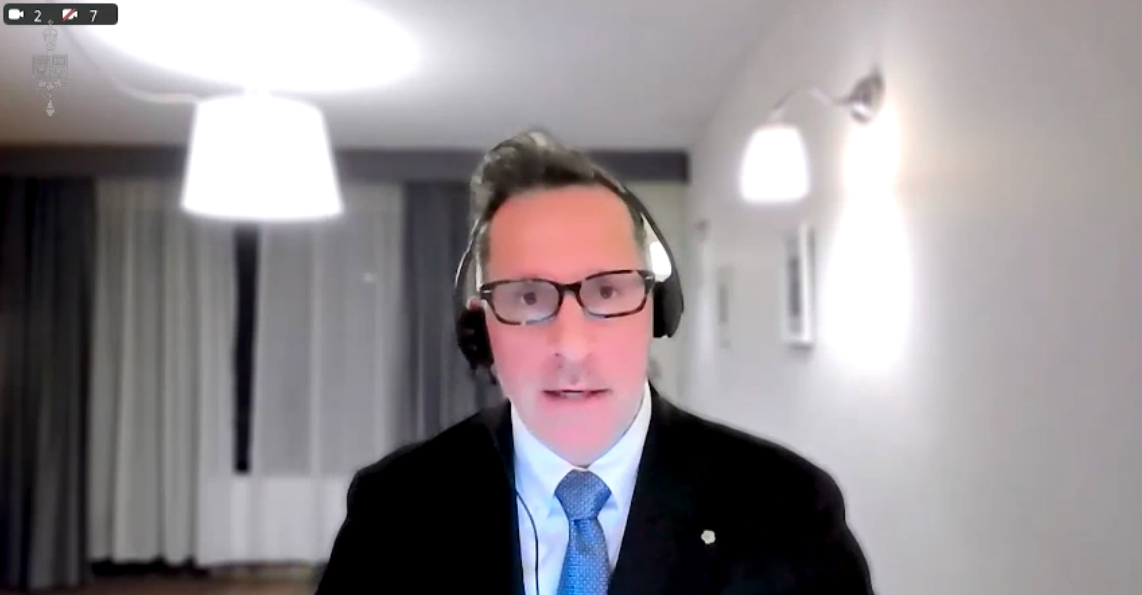
Foreign Affairs Minister Anita Anand has said that the government is currently reviewing the strategy to align it more closely with the goals of the Carney government. The current Indo-Pacific Strategy was introduced by the Trudeau government in 2022.
Nagy told MPs that it is in Canada’s national interest to anchor its strategy within the Indo-Pacific region by having “the strongest relationship” with the United States, which he said means being “the indispensable partner” for its southern neighbour.
“We are an asset economically, technologically, and strategically, and we need to continue to invest in the United States despite the difficulties,” he said.
He noted that while there will be a change of leadership in the United States in the years ahead, “geographic, institutional, and legal realities that connect Canada to the United States will remain.”
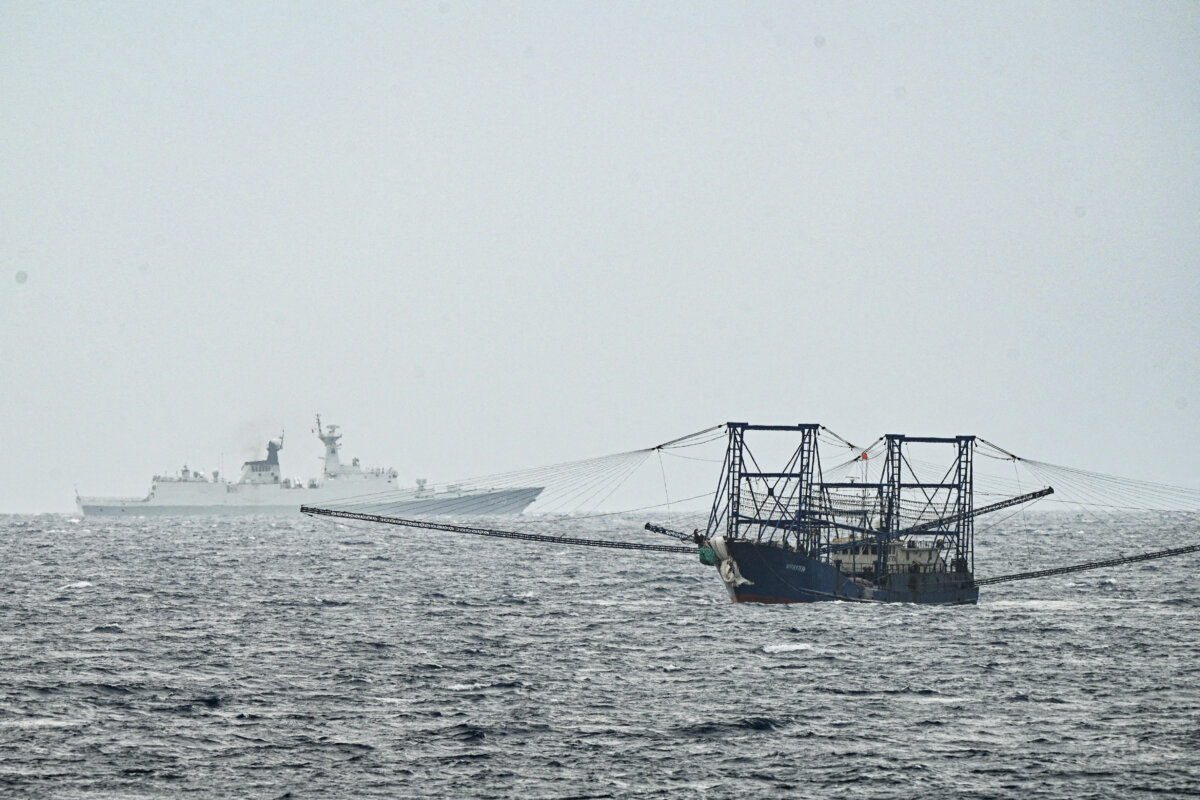
Nagy also said China is the only country that would like to be the “regional hegemon” in the Indo-Pacific, and noted that if Beijing is the regional hegemon, it would affect Canada’s access to trade agreements and sea lines of communication, as well as how regional agreements emerge.
Bloc Québécois MP Alexis Brunelle-Duceppe asked Nagy whether Ottawa getting closer to Beijing diplomatically and commercially, compared to its relations with the United States, could pose a “pretty major issue” for Canada.
Nagy noted that Canada needs to create a “broader” Indo-Pacific Strategy that keeps in mind the risks of becoming closer to China, and that while the United States may be “unpredictable,” Canada’s geographic, institutional, legal, and family ties to the United States can’t be forgotten.
“I continue to advocate for building an indispensable relationship with the United States,” he said, noting that this includes concrete measures on “seriously” dealing with foreign interference and Arctic security.
Nagy said Canada will “never” have an effective Indo-Pacific policy without having “the strongest and deepest relationships with the United States,” which he noted doesn’t mean Canada has to have the same policy as the United States.
“We share respect for rule of law, we have strong, strong cross-state partnerships, and that, despite the challenges in the relationship today, will continue three or four years from now,” he added.
Nagy’s comments come after Prime Minister Mark Carney said during an address to Canadians on April 19 that many of Canada’s former strengths based on its close ties to the United States have become its weaknesses that must be corrected through trade diversification.
Conservative Leader Pierre Poilievre rebutted Carney’s address in a video posted to social media on April 20, and warned against Canada attempting to replace trade with the United States with that of other countries.
Canada–China Ties
Nagy also told MPs he believes the “real challenge” in the Indo-Pacific region is “China’s pursuit of what we call hegemony in the region, dominating the region, and reshaping the region.” He noted that if China reshapes the region along rules that are preferable to it, “this will obviously negatively affect Canadian interests.”
He noted engagement with China needs to be thoughtful and Canada needs to have guardrails in place. In addition, Canada “needs to be very realistic” about China’s willingness to use force against Taiwan, he noted, adding that this would cause a “fundamental disruption to the global economy.”
The Chinese regime considers Taiwan, which is a democratic island nation, to be part of its territory. Meanwhile, Taiwan has been pushing back against Beijing’s international pressure campaign to sideline the island.
“I think that the priorities of the prime minister should be focused on understanding these issues and building relationships, trade agreements, energy agreements, critical mineral agreements, and security agreements and disinformation agreements that actually tackle those issues, which I think are the priority for Canada and Canadian interests,” Nagy said.
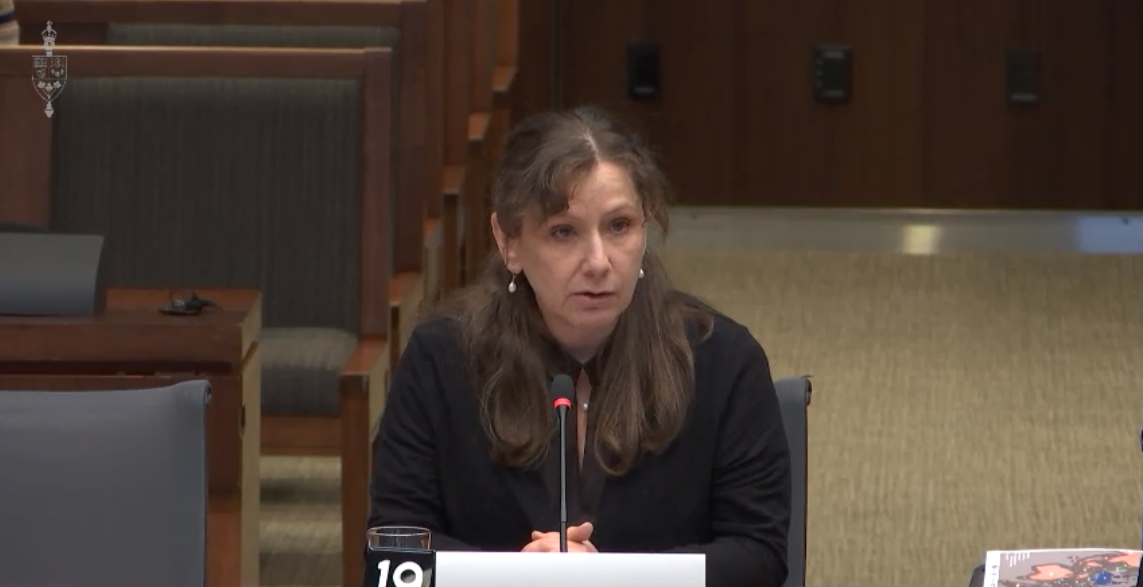
Cleo Paskal, non-resident senior fellow with the U.S.-based think tank Foundation for Defense of Democracies, also testified before the committee. She told MPs an element of Canada’s renewed Indo-Pacific Strategy should “identify strategic geography that underpins a free and open Indo-Pacific,” and help block China’s “illegal course of aggressive and deceptive operations that corrupt local societies, politics, and economics.”
In a bid to diversify trade away from the United States, Carney has sought closer ties with China and signed several agreements with Beijing during his visit to China in January, a move that has been criticized by opposition parties, China experts, and the U.S. administration.
U.S. Commerce Secretary Howard Lutnick said Ottawa’s agreements with Beijing could jeopardize the upcoming review of the Canada–United States–Mexico Agreement.
 Friends Read Free
Copy
Facebook
Tweet
Friends Read Free
Copy
Facebook
Tweet