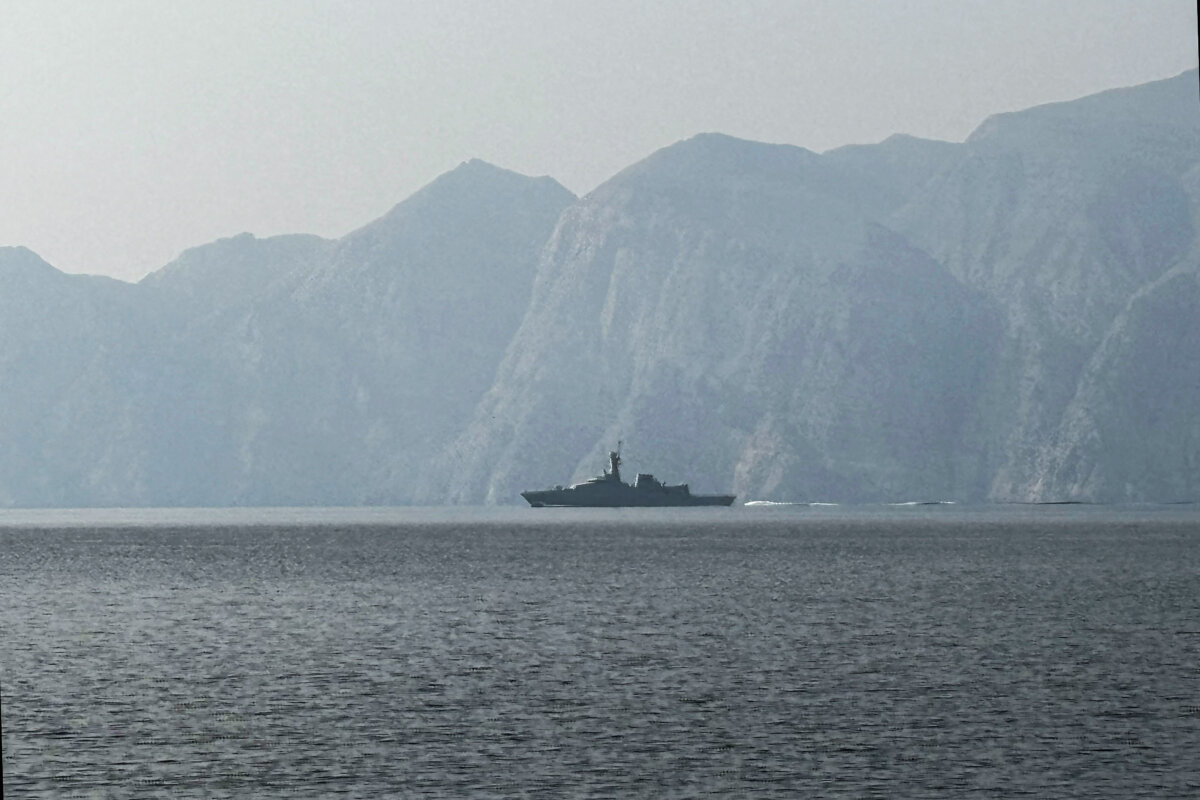

The U.S. military command overseeing Middle Eastern operations said Tuesday that no ships were able to pass a U.S. naval blockade of Iranian ports in the region during the first 24 hours of its implementation.
In an X post uploaded just over 24 hours after the blockade started, Central Command (CENTCOM) said that “no ships made it past the U.S. blockade and six merchant vessels complied with direction from U.S. forces to turn around to reenter an Iranian port on the Gulf of Oman.”
“The blockade is being enforced impartially against vessels of all nations entering or departing Iranian ports and coastal areas, including all Iranian ports on the Arabian Gulf and Gulf of Oman,” it added. “U.S. forces are supporting freedom of navigation for vessels transiting the Strait of Hormuz to and from non-Iranian ports.”
Around 10,000 U.S. service members, more than a dozen naval ships, and more than 100 military aircraft are taking part in the mission, the military stated.
The blockade was initiated at around 10 a.m. ET on Monday after it was announced by President Donald Trump in a bid to raise pressure on Iranian officials after negotiations between Washington and Tehran over the weekend failed to produce an agreement. In part, the administration wants Iran to reopen the Strait of Hormuz, which has been effectively shut down over the past several weeks.
Since the start of the conflict in late February, Iran has been launching attacks on civilian ships in response to Israeli and U.S. strikes against the country. That has led to a surge in oil, gas, and fertilizer prices worldwide, including within the United States.
Trump has also said that Iran’s regime must abandon its aspirations to acquire a nuclear weapon. Tehran has long denied that it is trying to produce nuclear weapons and maintained that it wants to only pursue civilian nuclear capabilities.
On Tuesday, Trump told the New York Post that a second round of talks with Iran “could be happening over [the] next two days.” Trump initially told the newspaper they would likely be held somewhere in Europe but later stated that they could be held again in Pakistan’s capital.
Trump said Monday that Iran’s control of the strait amounted to blackmail and extortion as the U.S. blockade took effect. He said in a social media post that Iran’s navy had been “completely obliterated.”
Iran’s small, fast-moving naval ships would be quickly eliminated by the U.S. Navy should “any of these ships come anywhere close” to the blockade, he said.
Iran threatened to retaliate against Persian Gulf ports if attacked.
“Security in the Persian Gulf and the Sea of Oman is either for everyone or for no one,” said Lt. Col. Ebrahim Zolfaghari, an Iranian military spokesperson, according to a post on X by Iranian state broadcaster IRIB. “If Iran’s ports are threatened, no port in the region will be safe.”
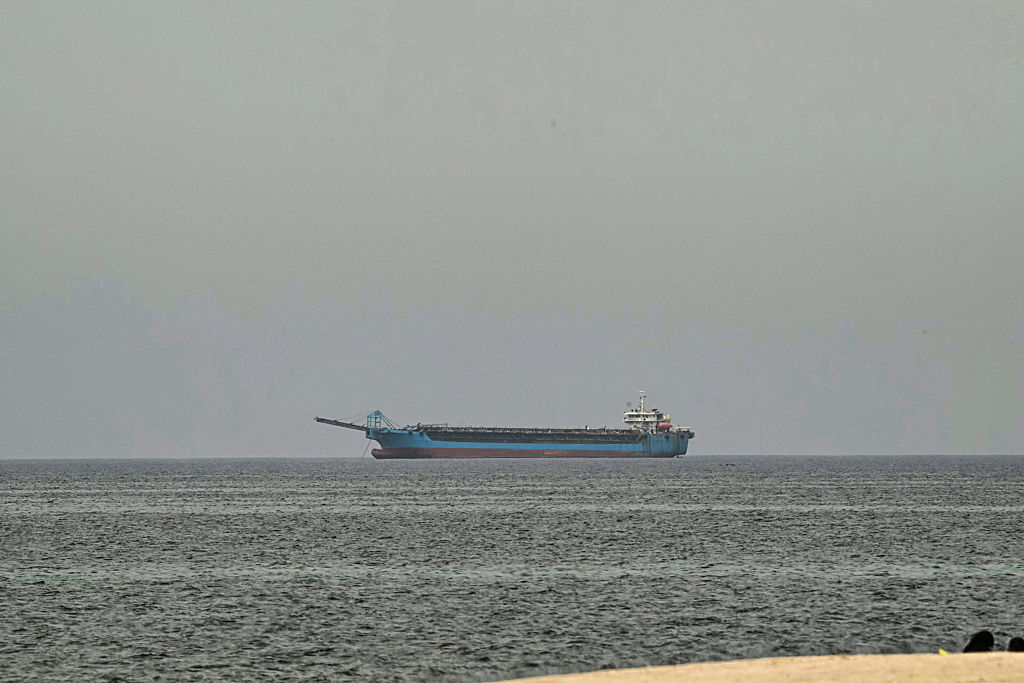
Iran’s Islamic Revolutionary Guard Corps had previously warned that military vessels attempting to pass through the strait would face a “firm response,” without elaborating.
Meanwhile, U.S. Treasury Secretary Scott Bessent said Chinese tankers will not be allowed passage through the strait during the blockade. “So they’re not going to be able to get their oil,” he told reporters Tuesday on the sidelines of IMF–World Bank meetings.
The Associated Press contributed to this report.
 Friends Read Free
Copy
Facebook
Tweet
Friends Read Free
Copy
Facebook
Tweet